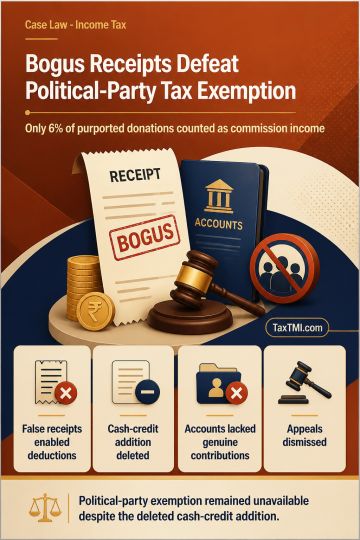
Bogus donation receipts justified commission income assessment and defeated political-party tax exemption for inaccurate accounts and reporting failur...
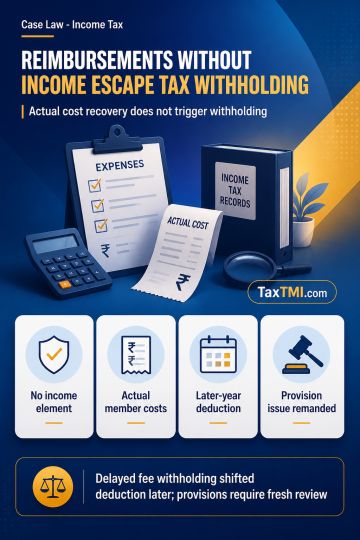
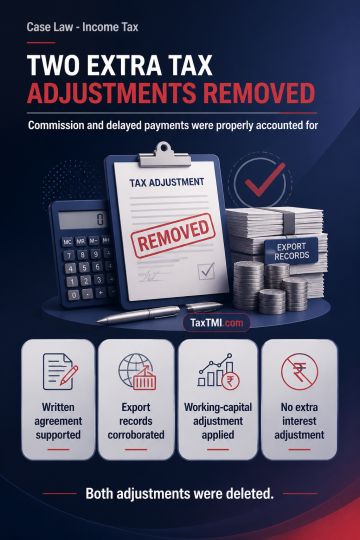
Pure reimbursement without income element escapes tax withholding, while delayed withholding and unsupported provisions face deferred or renewed scrut...
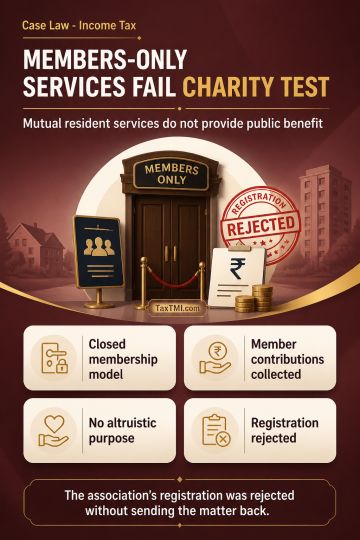
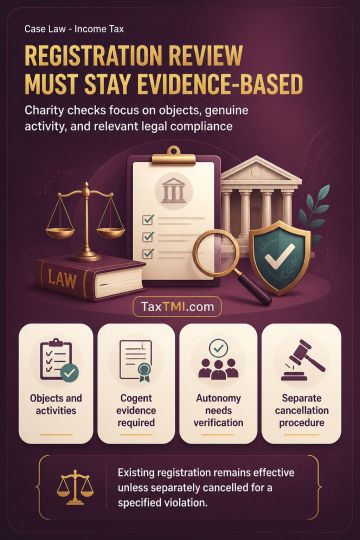
Public benefit requirement defeats charitable registration where residents' association services are reciprocal, member-only facilities governed by mu...
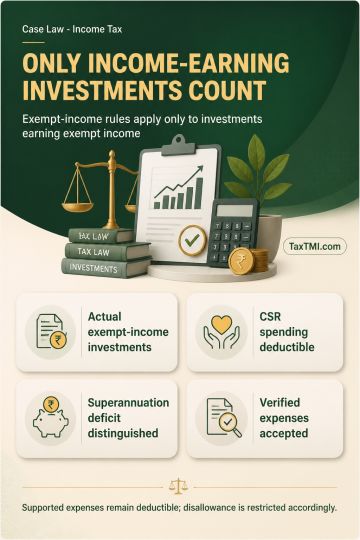
Exempt-income expenditure disallowance is confined to investments that actually generated exempt income, while supported business expenses remain dedu...
For e-filed appeals under Section 61 of the IBC, limitation is computed from the date of e-filing, in line with the NCLAT's 24.12.2022 directions issued under the NCLAT Rules, 2016. The Tribunal rejected reliance on Delhi High Court e-filing rules because no material showed they applied to NCLAT. It applied the Supreme Court's view that a statutory day runs for 24 hours from midnight, so filing after office hours does not shift the filing date to the next working day. An appeal e-filed at 9.00 p.m. on the 45th day was therefore within the condonable period, and the 15-day delay was condoned.
For e-filed appeals under Section 61 of the IBC, limitation is computed from the date of e-filing, in line with the NCLAT's 24.12.2022 directions issued under the NCLAT Rules, 2016. The Tribunal rejected reliance on Delhi High Court e-filing rules because no material showed they applied to NCLAT. It applied the Supreme Court's view that a statutory day runs for 24 hours from midnight, so filing after office hours does not shift the filing date to the next working day. An appeal e-filed at 9.00 p.m. on the 45th day was therefore within the condonable period, and the 15-day delay was condoned.
Note: It is a system-generated summary and is for quick reference only.
 TaxTMI
  TaxTMI
 of 4809



 Join Channel


