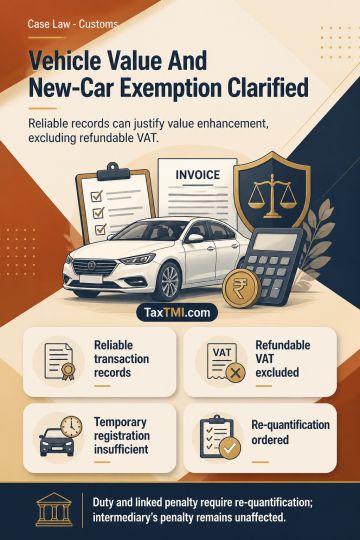
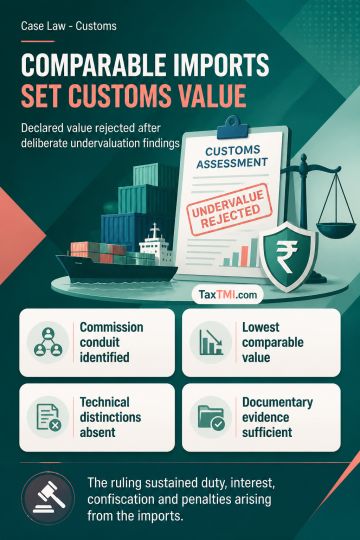
Transaction value rejection requires reliable corroboration; refundable VAT is excluded and temporary registration does not defeat new-vehicle exempti...
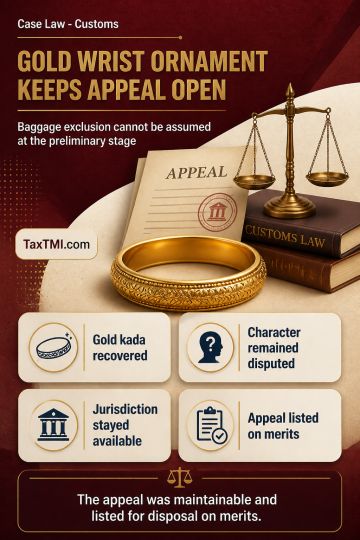
Appellate jurisdiction remains available where a wrist-worn gold ornament cannot conclusively be characterised as imported baggage at the preliminary ...
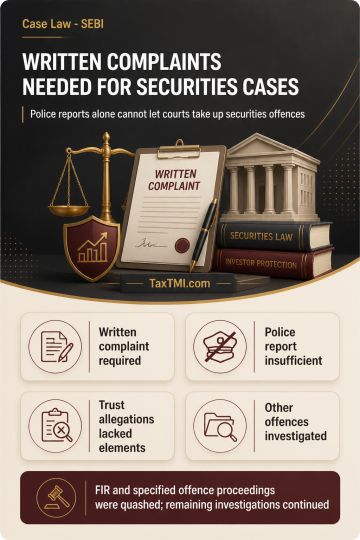
Written complaint requirement bars cognizance on police reports for securities offences, while unsupported breach of trust and cheating allegations fa...
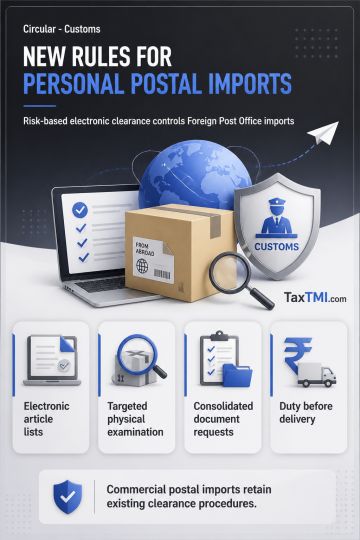
Risk-based postal import clearance standardises electronic assessment, document requests, duty realisation and delivery controls at Foreign Post Offic...
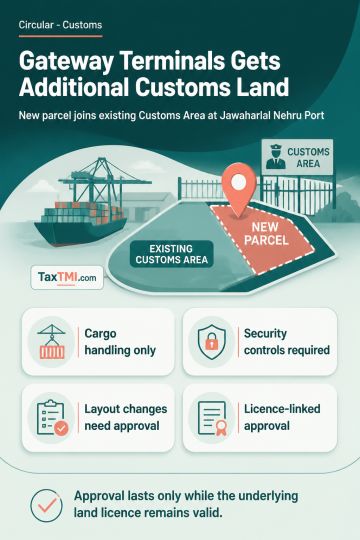
Customs Cargo Service Provider appointment extends custodianship to additional terminal land, subject to cargo-control, security and licence condition...
For e-filed appeals under Section 61 of the IBC, limitation is computed from the date of e-filing, in line with the NCLAT's 24.12.2022 directions issued under the NCLAT Rules, 2016. The Tribunal rejected reliance on Delhi High Court e-filing rules because no material showed they applied to NCLAT. It applied the Supreme Court's view that a statutory day runs for 24 hours from midnight, so filing after office hours does not shift the filing date to the next working day. An appeal e-filed at 9.00 p.m. on the 45th day was therefore within the condonable period, and the 15-day delay was condoned.
For e-filed appeals under Section 61 of the IBC, limitation is computed from the date of e-filing, in line with the NCLAT's 24.12.2022 directions issued under the NCLAT Rules, 2016. The Tribunal rejected reliance on Delhi High Court e-filing rules because no material showed they applied to NCLAT. It applied the Supreme Court's view that a statutory day runs for 24 hours from midnight, so filing after office hours does not shift the filing date to the next working day. An appeal e-filed at 9.00 p.m. on the 45th day was therefore within the condonable period, and the 15-day delay was condoned.
Note: It is a system-generated summary and is for quick reference only.
 TaxTMI
  TaxTMI
 of 4811




 Join Channel