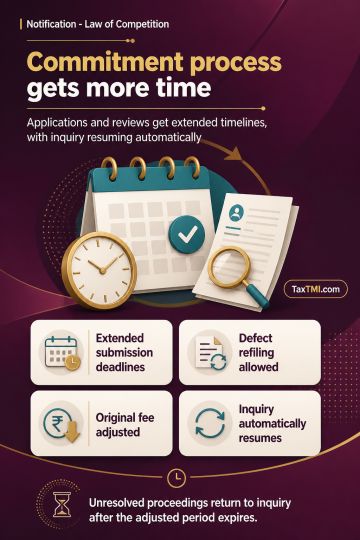
Commitment proceedings gain extended timelines, structured defect refiling, and automatic resumption of inquiry after the adjusted completion period e...
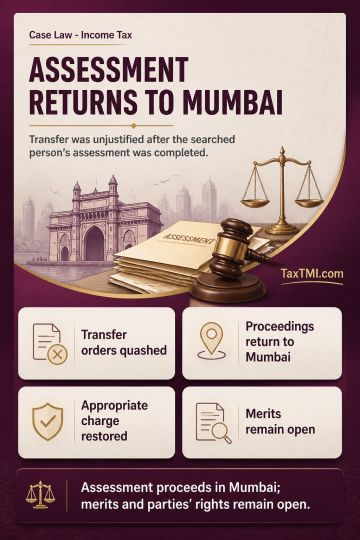
Centralised assessment transfer becomes unwarranted once the searched person's assessment is complete, requiring restoration to the appropriate charge...
For e-filed appeals under Section 61 of the IBC, limitation is computed from the date of e-filing, in line with the NCLAT's 24.12.2022 directions issued under the NCLAT Rules, 2016. The Tribunal rejected reliance on Delhi High Court e-filing rules because no material showed they applied to NCLAT. It applied the Supreme Court's view that a statutory day runs for 24 hours from midnight, so filing after office hours does not shift the filing date to the next working day. An appeal e-filed at 9.00 p.m. on the 45th day was therefore within the condonable period, and the 15-day delay was condoned.
For e-filed appeals under Section 61 of the IBC, limitation is computed from the date of e-filing, in line with the NCLAT's 24.12.2022 directions issued under the NCLAT Rules, 2016. The Tribunal rejected reliance on Delhi High Court e-filing rules because no material showed they applied to NCLAT. It applied the Supreme Court's view that a statutory day runs for 24 hours from midnight, so filing after office hours does not shift the filing date to the next working day. An appeal e-filed at 9.00 p.m. on the 45th day was therefore within the condonable period, and the 15-day delay was condoned.
Note: It is a system-generated summary and is for quick reference only.
 TaxTMI
  TaxTMI
 of 4814







 Join Channel


