Certificate-of-origin verification procedure governs preferential customs benefits; denial without retroactive verification was set aside with consequ...
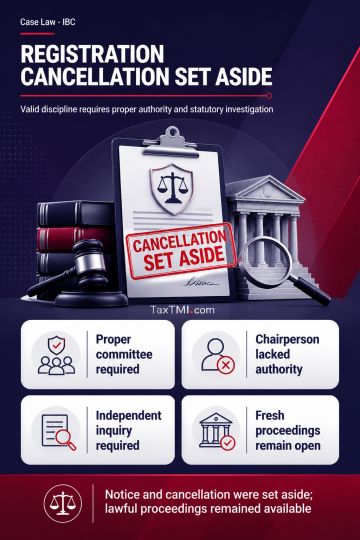
Disciplinary Committee jurisdiction and mandatory investigation requirements invalidated cancellation of an insolvency professional's registration and...
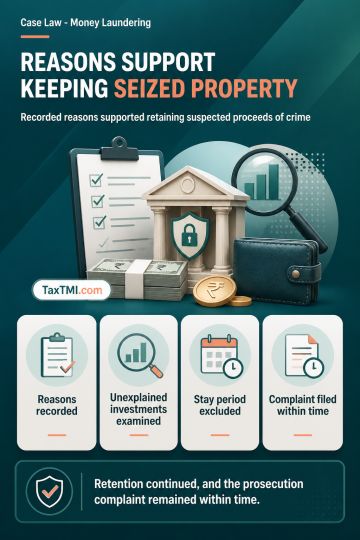
Retention of seized property survives where recorded reasons support proceeds of crime, while stayed investigation periods are excluded from limitatio...
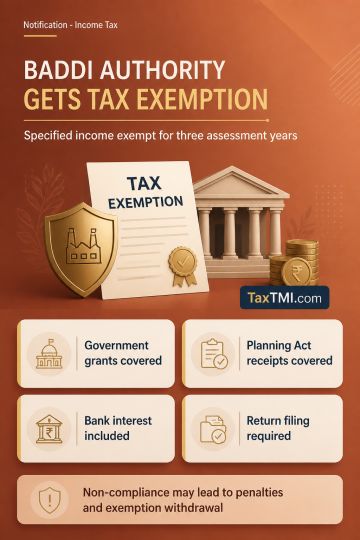
Specified income of Baddi Barotiwala Nalagarh Development Authority receives conditional tax exemption, retrospectively covering its designated assess...
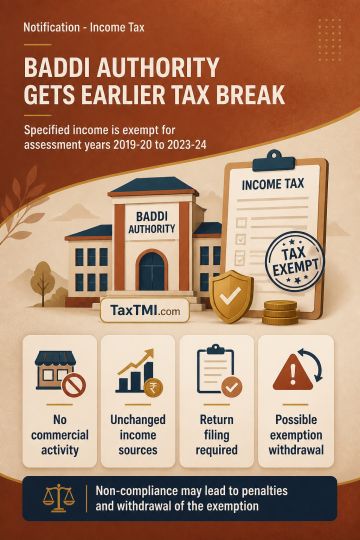
Specified development authority income receives retrospective tax exemption, subject to non-commercial activity, unchanged income sources, and return-...
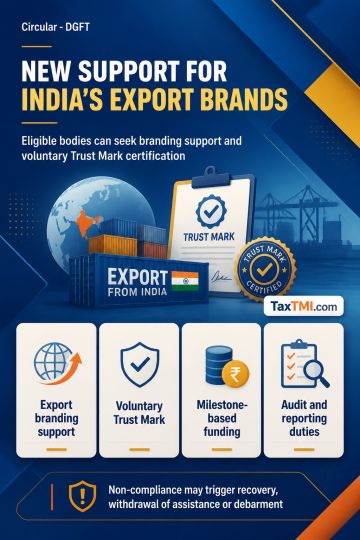
Unified Brand India framework introduces voluntary Trust Mark certification and funding support for export branding, packaging and global promotional ...
The Companies (Corporate Social Responsibility Policy) Amendment Rules, 2026 insert definitions of "Not for Profit Organization" and "zero coupon zero principal instrument" into the CSR Rules, aligning them with SEBI's social stock exchange framework. A new rule permits CSR implementation through such instruments, subject to the expenditure on the instrument not exceeding 10% of a company's total CSR spend for the financial year. A subscribing company is exempt from impact assessment for projects funded through the instrument. The issuing not-for-profit organisation must complete the project within three succeeding financial years and, on delisting, transfer unspent amounts to a Schedule VII fund and report compliance to SEBI. The remaining CSR Rule 4 provisions apply, except sub-rules (5) and (6).
The Companies (Corporate Social Responsibility Policy) Amendment Rules, 2026 insert definitions of "Not for Profit Organization" and "zero coupon zero principal instrument" into the CSR Rules, aligning them with SEBI's social stock exchange framework. A new rule permits CSR implementation through such instruments, subject to the expenditure on the instrument not exceeding 10% of a company's total CSR spend for the financial year. A subscribing company is exempt from impact assessment for projects funded through the instrument. The issuing not-for-profit organisation must complete the project within three succeeding financial years and, on delisting, transfer unspent amounts to a Schedule VII fund and report compliance to SEBI. The remaining CSR Rule 4 provisions apply, except sub-rules (5) and (6).
Note: It is a system-generated summary and is for quick reference only.
 TaxTMI
 of 4803








 Join Channel


 TaxTMI