Dispute Resolution Panel objections must reach both prescribed forums; otherwise assessment may proceed and statutory appeal remains the proper remedy...
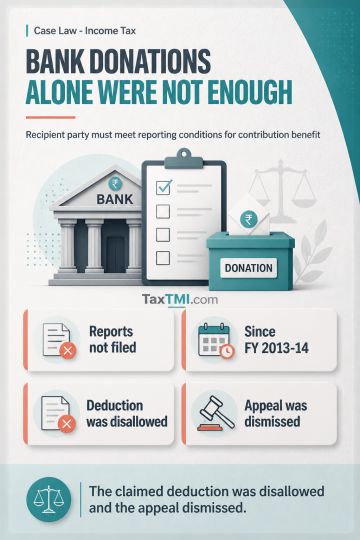
Political contribution deductions require recipient party compliance with contribution-reporting conditions; banking-channel donations alone do not qu...
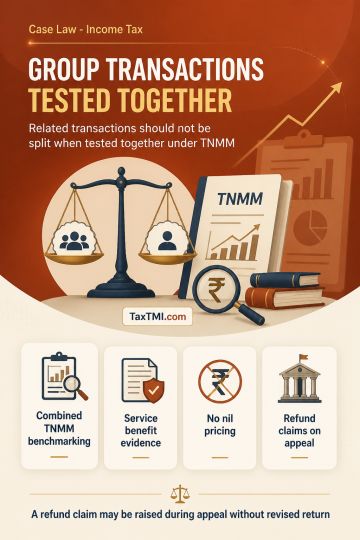
Aggregation under TNMM prevents selective testing of intra-group services without comparable uncontrolled transactions, while appellate additional cla...
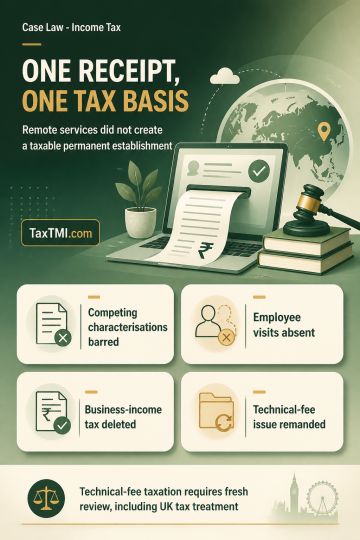
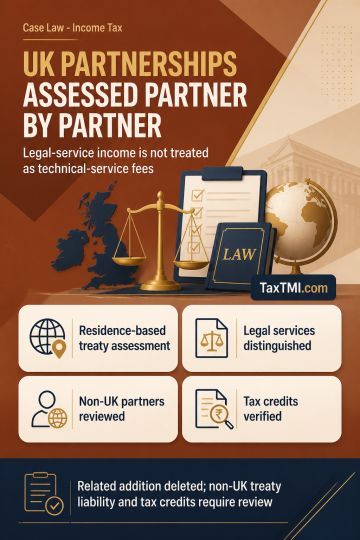
Protective assessment cannot duplicate identical receipts under competing characterisations; remote services did not establish a taxable permanent est...
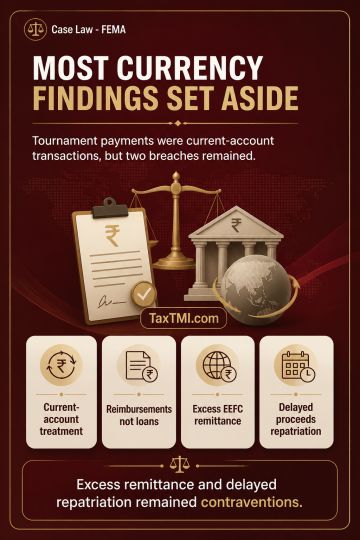
Current account treatment of overseas tournament services removed most FEMA findings, but excess EEFC remittance and delayed repatriation remained bre...
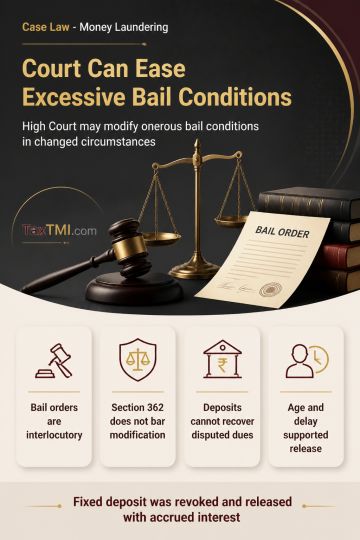
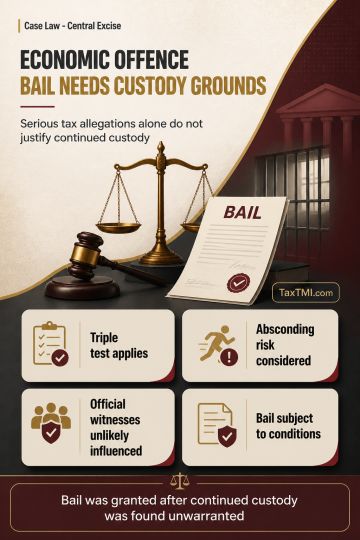
Modification of bail conditions remains available through inherent jurisdiction where onerous deposits undermine justice and cannot recover disputed d...
The Companies (Corporate Social Responsibility Policy) Amendment Rules, 2026 insert definitions of "Not for Profit Organization" and "zero coupon zero principal instrument" into the CSR Rules, aligning them with SEBI's social stock exchange framework. A new rule permits CSR implementation through such instruments, subject to the expenditure on the instrument not exceeding 10% of a company's total CSR spend for the financial year. A subscribing company is exempt from impact assessment for projects funded through the instrument. The issuing not-for-profit organisation must complete the project within three succeeding financial years and, on delisting, transfer unspent amounts to a Schedule VII fund and report compliance to SEBI. The remaining CSR Rule 4 provisions apply, except sub-rules (5) and (6).
The Companies (Corporate Social Responsibility Policy) Amendment Rules, 2026 insert definitions of "Not for Profit Organization" and "zero coupon zero principal instrument" into the CSR Rules, aligning them with SEBI's social stock exchange framework. A new rule permits CSR implementation through such instruments, subject to the expenditure on the instrument not exceeding 10% of a company's total CSR spend for the financial year. A subscribing company is exempt from impact assessment for projects funded through the instrument. The issuing not-for-profit organisation must complete the project within three succeeding financial years and, on delisting, transfer unspent amounts to a Schedule VII fund and report compliance to SEBI. The remaining CSR Rule 4 provisions apply, except sub-rules (5) and (6).
Note: It is a system-generated summary and is for quick reference only.
 TaxTMI
 of 4805





 Join Channel


 TaxTMI
