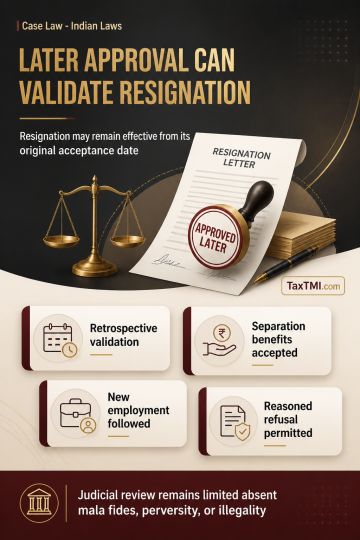
Ratification of resignation acceptance validates separation retrospectively, while withdrawal may be refused through reasoned administrative discretio...
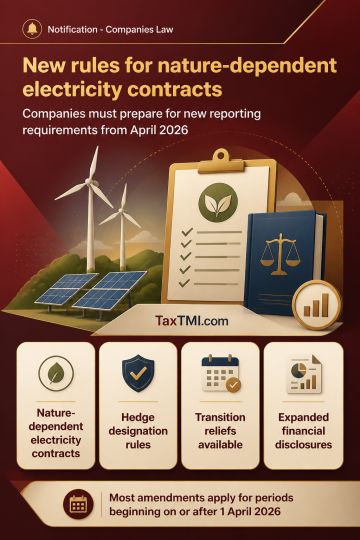
Nature-dependent electricity contracts receive new Ind AS accounting, hedge designation, transition and financial-statement disclosure requirements fr...
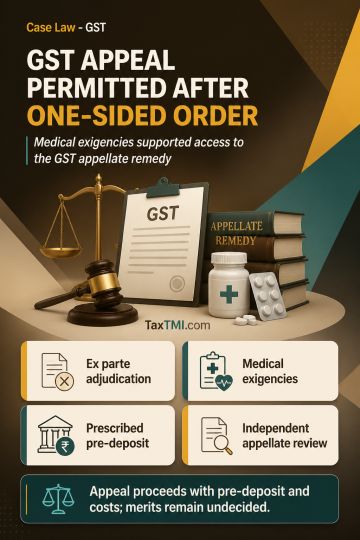
Alternative GST remedy permitted protective writ intervention for ex parte adjudication, preserving independent appellate review of input tax credit d...
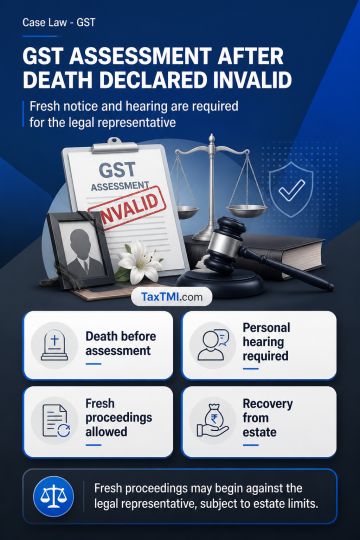
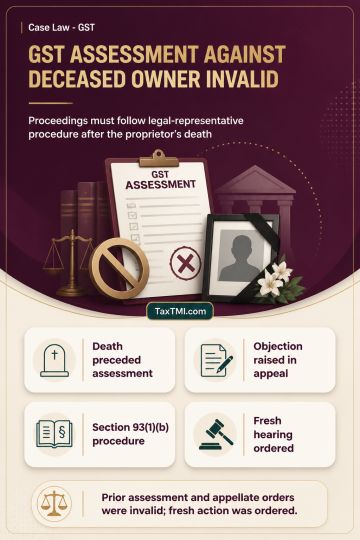
Assessment against deceased sole proprietor requires proceedings against the legal representative, rendering prior assessment and appellate orders inv...
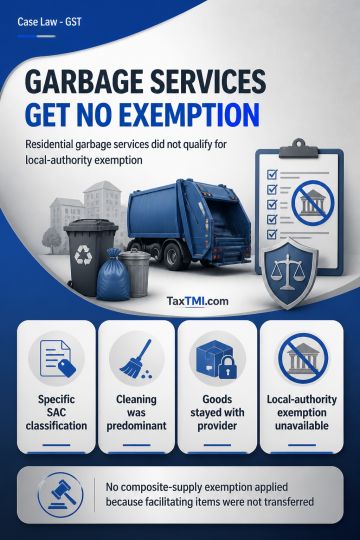
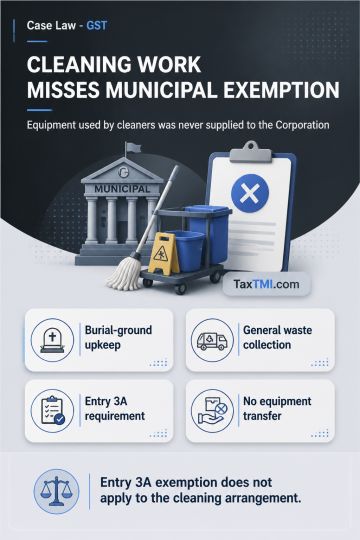
Residential waste collection classification under SAC 999423 defeats composite-supply exemption where facilitating goods are not transferred to the lo...
Page of 4807
Press 'Enter' after typing page number.
301 to 320 of 96140 Results
❮
❯
❯❯
0 / 200
Expand Note
Add to Folder
No Folders have been created
+
Are you sure you want to delete "My most important" ?
The Companies (Corporate Social Responsibility Policy) Amendment Rules, 2026 insert definitions of "Not for Profit Organization" and "zero coupon zero principal instrument" into the CSR Rules, aligning them with SEBI's social stock exchange framework. A new rule permits CSR implementation through such instruments, subject to the expenditure on the instrument not exceeding 10% of a company's total CSR spend for the financial year. A subscribing company is exempt from impact assessment for projects funded through the instrument. The issuing not-for-profit organisation must complete the project within three succeeding financial years and, on delisting, transfer unspent amounts to a Schedule VII fund and report compliance to SEBI. The remaining CSR Rule 4 provisions apply, except sub-rules (5) and (6).
The Companies (Corporate Social Responsibility Policy) Amendment Rules, 2026 insert definitions of "Not for Profit Organization" and "zero coupon zero principal instrument" into the CSR Rules, aligning them with SEBI's social stock exchange framework. A new rule permits CSR implementation through such instruments, subject to the expenditure on the instrument not exceeding 10% of a company's total CSR spend for the financial year. A subscribing company is exempt from impact assessment for projects funded through the instrument. The issuing not-for-profit organisation must complete the project within three succeeding financial years and, on delisting, transfer unspent amounts to a Schedule VII fund and report compliance to SEBI. The remaining CSR Rule 4 provisions apply, except sub-rules (5) and (6).
Note: It is a system-generated summary and is for quick reference only.
 TaxTMI
  TaxTMI
 of 4807



 Join Channel