Transfer pricing and tax deductions upheld on established principles, while employee contributions and warranty provisions returned for fresh examinat...
Captive transfer pricing relies on industrial consumer tariffs, while genuine quotations can benchmark effluent treatment transfers under the Other Me...
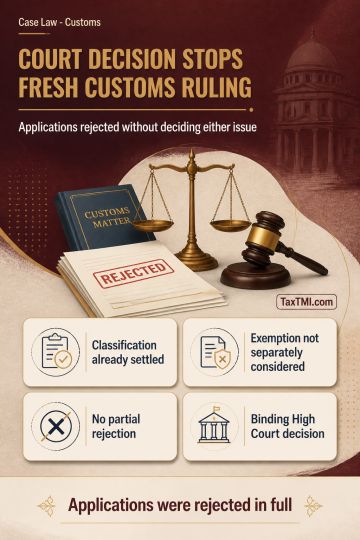
Specific tariff classification for ophthalmic instruments and extended limitation principles determine the treatment of duty demands, confiscation, an...
Integrated golf function determines classification, placing launch monitors and simulators under other golf equipment rather than measuring instrument...
Public servant status under anti-corruption law extends to recognised stock exchange leadership; constitutional and sanction challenges do not succeed...
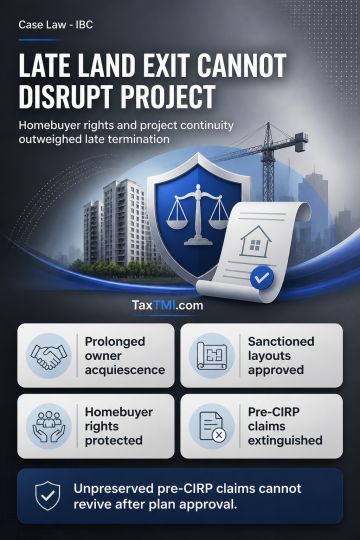
Acquiescence, homebuyer protection and clean-slate resolution principles prevent landowners from disrupting an integrated project through late termina...
Allegations of bogus or paper transactions in the supply chain can support cancellation of GST registration even while return scrutiny is pending, because the two proceedings may run separately and the pendency of scrutiny creates no legal bar. Where the cancellation notice turns on disputed facts, writ jurisdiction is not the proper forum for fact-finding, and the controversy must be tested on evidence before the statutory authority. The High Court therefore declined interference under Article 226, found no adverse meaning could be attached merely to the reference to pending scrutiny, and left the assessee to pursue the statutory appeal on merits.
Allegations of bogus or paper transactions in the supply chain can support cancellation of GST registration even while return scrutiny is pending, because the two proceedings may run separately and the pendency of scrutiny creates no legal bar. Where the cancellation notice turns on disputed facts, writ jurisdiction is not the proper forum for fact-finding, and the controversy must be tested on evidence before the statutory authority. The High Court therefore declined interference under Article 226, found no adverse meaning could be attached merely to the reference to pending scrutiny, and left the assessee to pursue the statutory appeal on merits.
Note: It is a system-generated summary and is for quick reference only.
 TaxTMI
 of 4805




















 Join Channel


 TaxTMI
