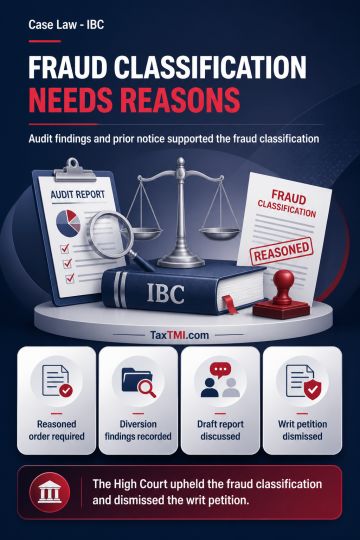
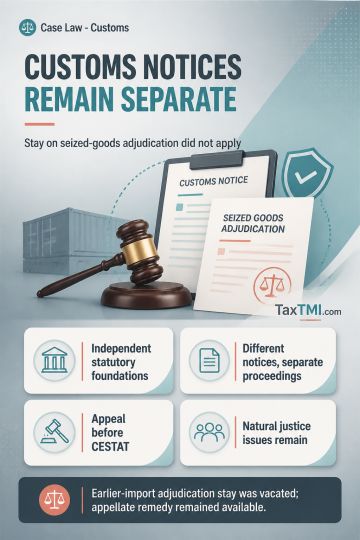
Independent show-cause notices remain separate proceedings, while customs adjudication challenges should ordinarily follow the statutory appellate rem...
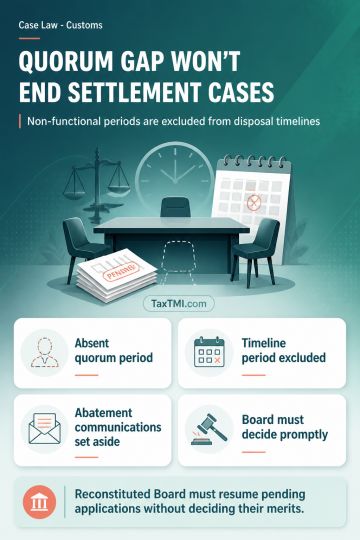
Institutional incapacity in customs settlement proceedings excludes non-functional quorum periods from statutory disposal timelines, preventing automa...
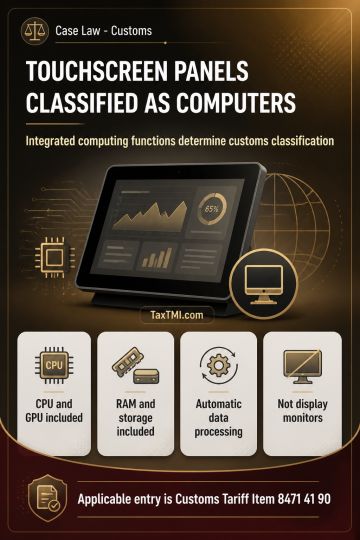
Interactive touchscreen panels with integrated computing functions fall under automatic data-processing machines rather than display monitors for cust...
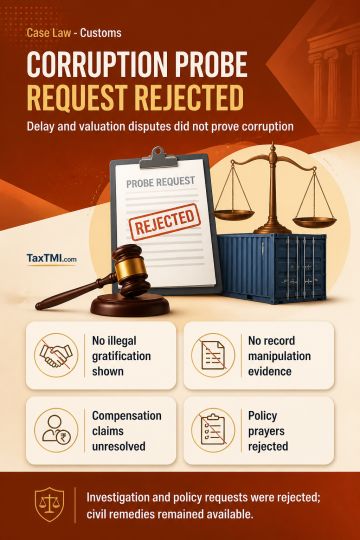
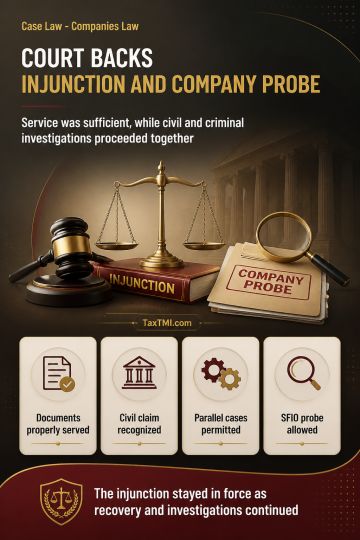
Ex parte injunction service requirements were substantially met, while civil recovery and SFIO investigation into provident fund defalcation continued...
Section 125 of the CGST framework was construed as prescribing a single maximum general penalty of Rs. 25,000, so the penalty could not be split into separate CGST and SGST penalties to exceed that statutory cap. The High Court therefore held that imposing Rs. 25,000 under CGST and a further Rs. 25,000 under SGST under the same provision was unjustified. The penalty order and the appellate order were set aside, and the matter was remanded for fresh consideration in accordance with law, with all available grounds left open to the petitioner.
Section 125 of the CGST framework was construed as prescribing a single maximum general penalty of Rs. 25,000, so the penalty could not be split into separate CGST and SGST penalties to exceed that statutory cap. The High Court therefore held that imposing Rs. 25,000 under CGST and a further Rs. 25,000 under SGST under the same provision was unjustified. The penalty order and the appellate order were set aside, and the matter was remanded for fresh consideration in accordance with law, with all available grounds left open to the petitioner.
Note: It is a system-generated summary and is for quick reference only.
 TaxTMI
 of 4807







 Join Channel


 TaxTMI