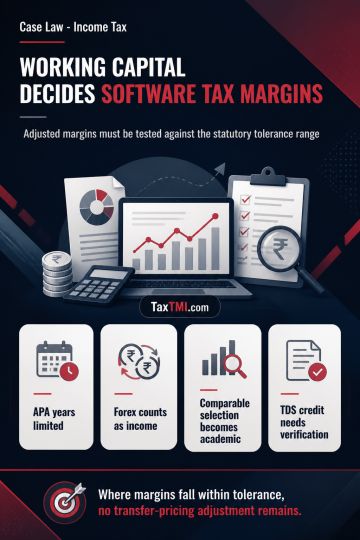
Working-capital adjustment determines whether software-services transfer-pricing margins fall within the statutory tolerance range, eliminating any ad...
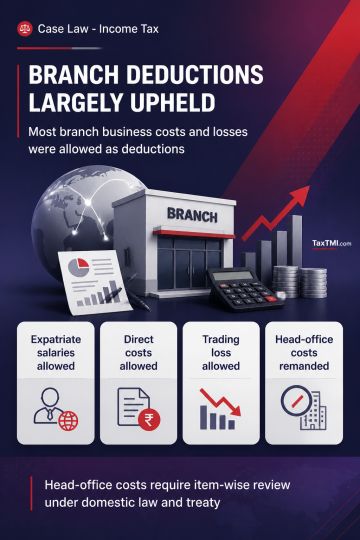
Permanent establishment deductions upheld for expatriate salaries, direct costs and trading losses, while head-office costs require fresh classificati...
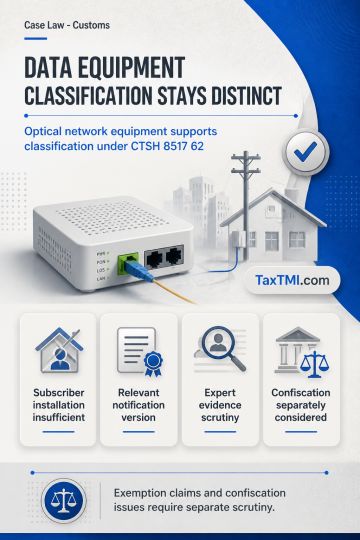
Data transmission equipment classification under CTSH 8517 62 remains distinct from residual classification, with exemption evidence requiring scrutin...
Section 138 NI Act proceedings were described as quasi-criminal but predominantly criminal, with the offence lying in cheque dishonour and punishment operating mainly as deterrence rather than debt recovery. The compensatory component was treated separately, and moratorium under Part III of the IBC was held inapplicable to the criminal aspect but applicable to recovery of compensation in appropriate cases. For directors facing liability under Section 141, the use of "any debt" in Sections 96 and 101 of the IBC was read broadly to extend moratorium protection to compensatory obligations during personal insolvency. The text ends by noting that the controversy was not finally settled and was referred for authoritative consideration.
Section 138 NI Act proceedings were described as quasi-criminal but predominantly criminal, with the offence lying in cheque dishonour and punishment operating mainly as deterrence rather than debt recovery. The compensatory component was treated separately, and moratorium under Part III of the IBC was held inapplicable to the criminal aspect but applicable to recovery of compensation in appropriate cases. For directors facing liability under Section 141, the use of "any debt" in Sections 96 and 101 of the IBC was read broadly to extend moratorium protection to compensatory obligations during personal insolvency. The text ends by noting that the controversy was not finally settled and was referred for authoritative consideration.
Note: It is a system-generated summary and is for quick reference only.
 TaxTMI
 of 4805








 Join Channel


 TaxTMI