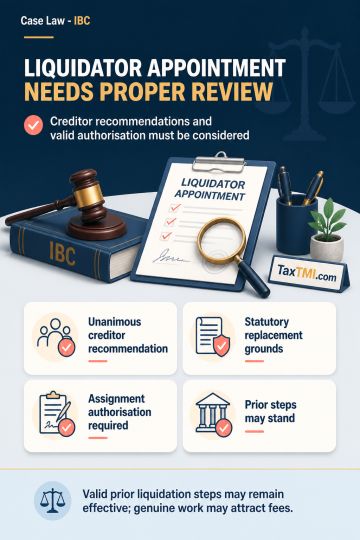
Liquidator appointment under Section 34 requires consideration of creditor recommendations, valid professional authorisation, and preservation of vali...
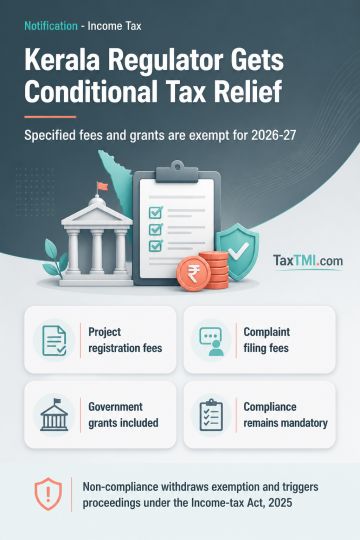
Income-tax exemption for specified regulatory fees and government grants applies subject to non-commercial activity and continuing compliance conditio...
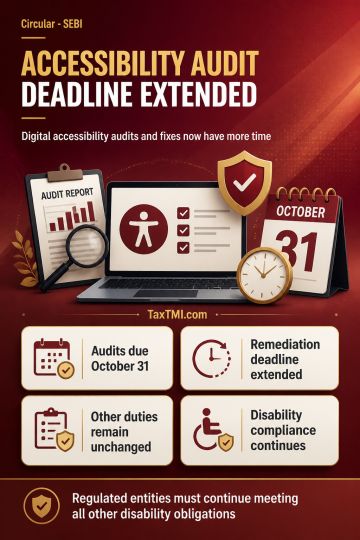
Digital accessibility audit and remediation deadlines extended, while all other disability-compliance obligations for regulated entities remain unchan...
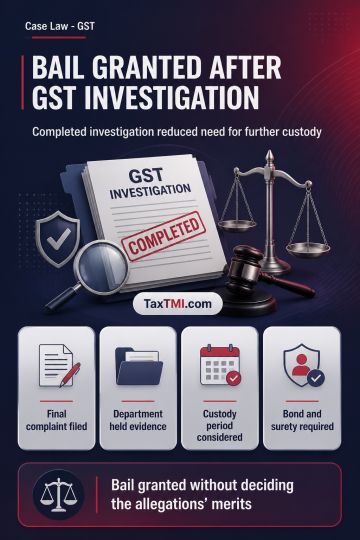
In a GST prosecution alleging fraudulent input tax credit through fake invoices, the High Court held that the seriousness of an economic offence alone was not a sufficient ground to deny bail. Relying on Supreme Court guidance on bail and the right to speedy trial under Article 21, the Court noted that the accused had been in custody for about four months, had clean antecedents, and the case rested largely on documentary and electronic evidence. As there was no material showing a real risk of tampering with evidence, influencing witnesses, or evading trial, and the trial was unlikely to conclude soon, the Court found liberty should prevail pending trial and granted bail subject to safeguards.
In a GST prosecution alleging fraudulent input tax credit through fake invoices, the High Court held that the seriousness of an economic offence alone was not a sufficient ground to deny bail. Relying on Supreme Court guidance on bail and the right to speedy trial under Article 21, the Court noted that the accused had been in custody for about four months, had clean antecedents, and the case rested largely on documentary and electronic evidence. As there was no material showing a real risk of tampering with evidence, influencing witnesses, or evading trial, and the trial was unlikely to conclude soon, the Court found liberty should prevail pending trial and granted bail subject to safeguards.
Note: It is a system-generated summary and is for quick reference only.
 TaxTMI
 of 4805





 Join Channel


 TaxTMI