Vicarious liability for dishonoured company cheques may extend to non-signatory directors where complaints contain foundational responsibility avermen...
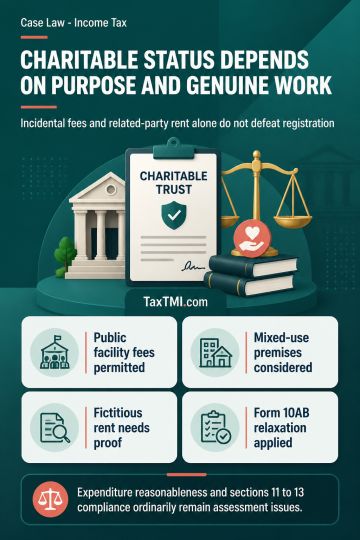
Charitable registration turns on predominant purpose and genuine activities, while incidental fees and related-party rent require supporting adverse m...
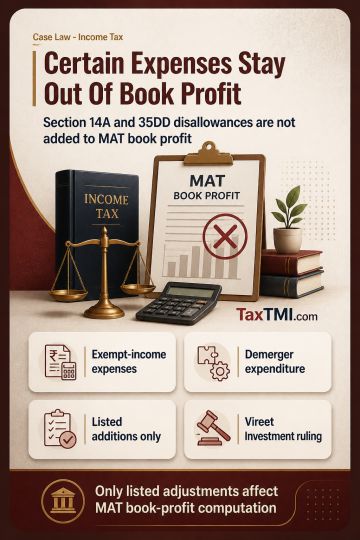
MAT book-profit adjustments exclude disallowances for exempt-income expenditure and demerger expenditure unless expressly listed under the statutory c...
Penalty under Sections 112(a) and 112(b) of the Customs Act was unsustainable because the Revenue failed to prove the appellant's conscious involvement in the alleged smuggling or abetment with admissible evidence. The Tribunal held that the discarded statement of a co-noticee, which was not subjected to cross-examination as required under Section 138B, could not form the basis of penal action. It further found no corroboration from any seizure record, panchanama, incriminating document, financial link, communication trail, or role in import clearance. In the absence of tangible evidence connecting the appellant with the 5 live consignments or the earlier 26 consignments, both penalties were set aside.
Penalty under Sections 112(a) and 112(b) of the Customs Act was unsustainable because the Revenue failed to prove the appellant's conscious involvement in the alleged smuggling or abetment with admissible evidence. The Tribunal held that the discarded statement of a co-noticee, which was not subjected to cross-examination as required under Section 138B, could not form the basis of penal action. It further found no corroboration from any seizure record, panchanama, incriminating document, financial link, communication trail, or role in import clearance. In the absence of tangible evidence connecting the appellant with the 5 live consignments or the earlier 26 consignments, both penalties were set aside.
Note: It is a system-generated summary and is for quick reference only.
 TaxTMI
 of 4792







 Join Channel


 TaxTMI
