Pre-existing operational debt disputes require genuine evidence, while undirected running-account payments may be appropriated on a first-in-first-out...
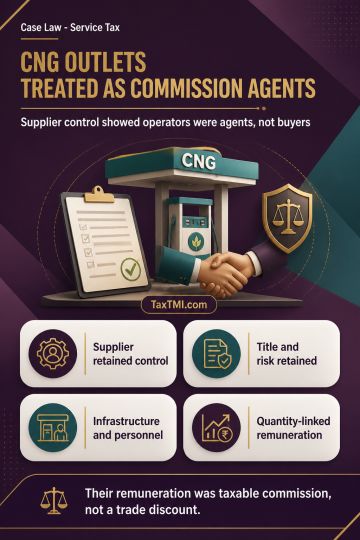
Agency in CNG distribution makes outlet operators commission agents, rendering taxable Business Auxiliary Service rather than purchasing goods for res...
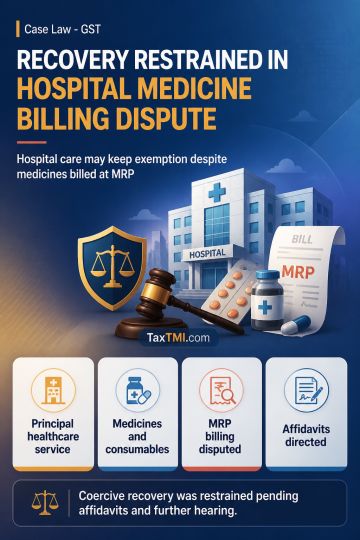
Composite inpatient healthcare supply may retain exemption despite MRP medicine billing, while separate taxable sale characterisation remains disputed...
Penalty under Sections 112(a) and 112(b) of the Customs Act was unsustainable because the Revenue failed to prove the appellant's conscious involvement in the alleged smuggling or abetment with admissible evidence. The Tribunal held that the discarded statement of a co-noticee, which was not subjected to cross-examination as required under Section 138B, could not form the basis of penal action. It further found no corroboration from any seizure record, panchanama, incriminating document, financial link, communication trail, or role in import clearance. In the absence of tangible evidence connecting the appellant with the 5 live consignments or the earlier 26 consignments, both penalties were set aside.
Penalty under Sections 112(a) and 112(b) of the Customs Act was unsustainable because the Revenue failed to prove the appellant's conscious involvement in the alleged smuggling or abetment with admissible evidence. The Tribunal held that the discarded statement of a co-noticee, which was not subjected to cross-examination as required under Section 138B, could not form the basis of penal action. It further found no corroboration from any seizure record, panchanama, incriminating document, financial link, communication trail, or role in import clearance. In the absence of tangible evidence connecting the appellant with the 5 live consignments or the earlier 26 consignments, both penalties were set aside.
Note: It is a system-generated summary and is for quick reference only.
 TaxTMI
 of 4801








 Join Channel


 TaxTMI