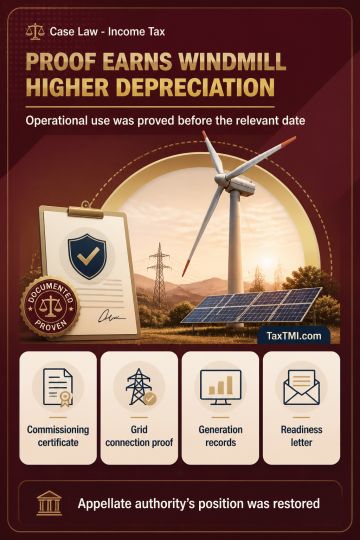
Windmill commissioning evidence supported higher depreciation where grid connection and electricity generation proved operational use before the relev...
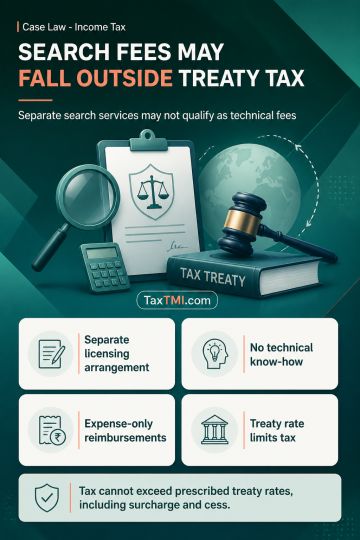
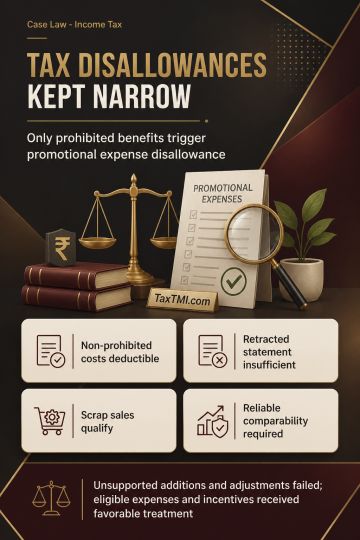
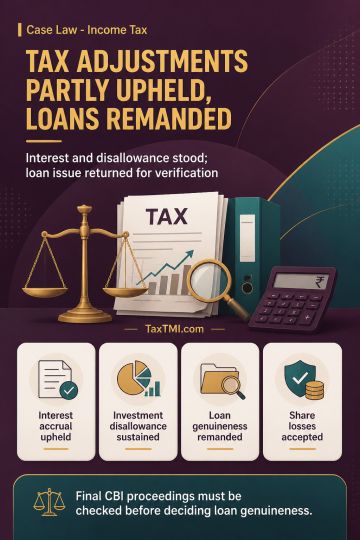
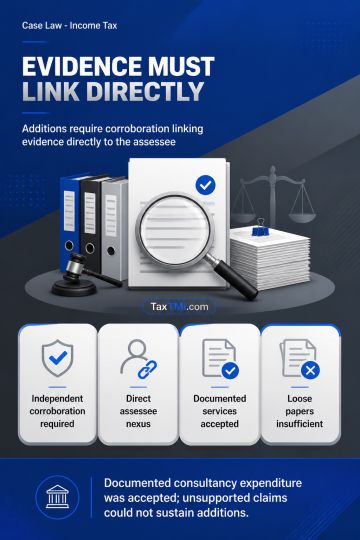
Pharmaceutical promotion and transfer-pricing comparability principles limited disallowances, while uncorroborated search allegations and unsupported ...
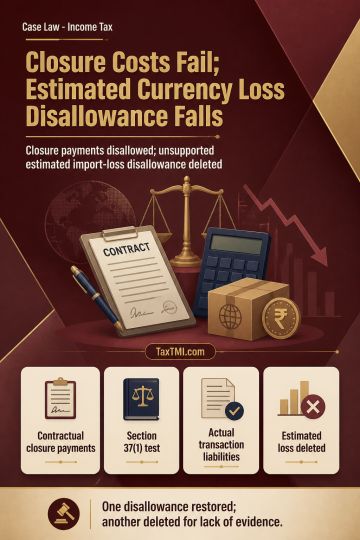
Business expenditure substantiation supports scrap credits, statutory payments and expense claims, while depreciation requires proof of actual busines...
The Tribunal applied a broad reading of "person aggrieved" under Section 61 IBC and held that both a shareholder-creditor and a decree-holder with garnishee orders had locus to challenge admission of the Section 7 application. It further found that the alleged loan transaction showed same-day fund transfers, round-tripping and other indicators of a sham or collusive arrangement, so the real nature of the transaction had to be examined rather than treating balance-sheet entries or MoUs as conclusive. On that material, it held that no genuine financial debt with disbursal for time value of money was established. The appeals were allowed and the Section 7 admission was set aside.
The Tribunal applied a broad reading of "person aggrieved" under Section 61 IBC and held that both a shareholder-creditor and a decree-holder with garnishee orders had locus to challenge admission of the Section 7 application. It further found that the alleged loan transaction showed same-day fund transfers, round-tripping and other indicators of a sham or collusive arrangement, so the real nature of the transaction had to be examined rather than treating balance-sheet entries or MoUs as conclusive. On that material, it held that no genuine financial debt with disbursal for time value of money was established. The appeals were allowed and the Section 7 admission was set aside.
Note: It is a system-generated summary and is for quick reference only.
 TaxTMI
 of 4803









 Join Channel


 TaxTMI
