Donor-directed corpus contributions retain capital character despite exemption claims under section 10(23C)(vi), preventing their treatment as taxable...
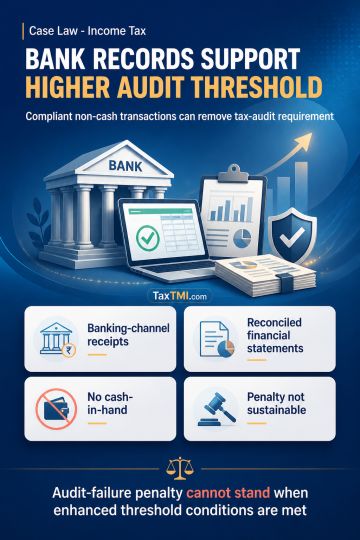
Enhanced tax-audit threshold applies where banking records establish compliant non-cash receipts and payments, eliminating penalty exposure for audit ...
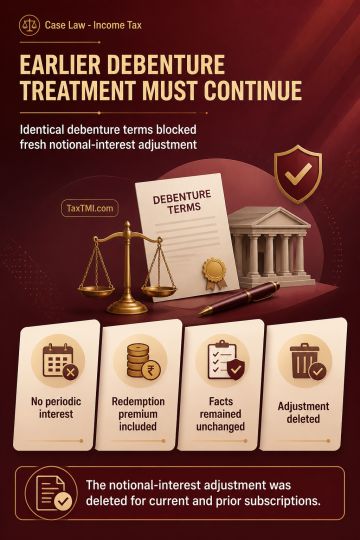
Transfer pricing consistency protects identical non-interest-bearing debenture terms from a later notional-interest adjustment without valid statutory...
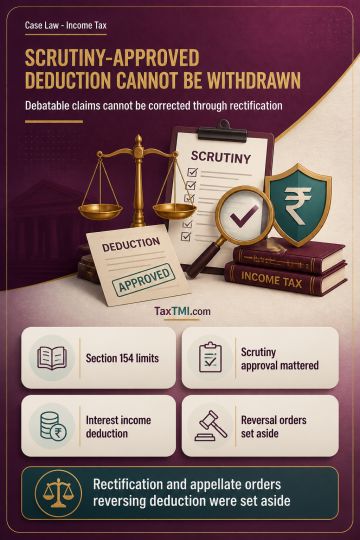
Rectification of debatable deduction claims cannot reverse scrutiny-approved co-operative society interest income deductions as apparent record errors...
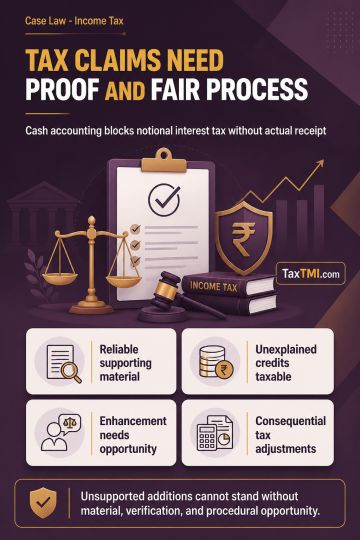
Cash-method accounting bars presumptive interest taxation, while unsupported securities and share-trading additions require reliable material and veri...
Remuneration paid to whole-time directors was treated as outside the service tax net because the employment agreements, express employer-employee clauses, TDS under section 192, and Form 16 supported an employee relationship; variable or profit-linked pay did not change that character, so the demand, interest and penalties on that remuneration failed. Remuneration paid to non-whole-time directors was also not taxable on the facts shown, because the appellant had produced ST-3 returns indicating tax was discharged by its Bhubaneswar office, the Revenue did not rebut that evidence, and no centralized registration existed to justify a demand from the Salem office. Derivative demands based on an earlier set-aside notice, without independent evidence, could not survive, so the common orders were set aside in entirety.
Remuneration paid to whole-time directors was treated as outside the service tax net because the employment agreements, express employer-employee clauses, TDS under section 192, and Form 16 supported an employee relationship; variable or profit-linked pay did not change that character, so the demand, interest and penalties on that remuneration failed. Remuneration paid to non-whole-time directors was also not taxable on the facts shown, because the appellant had produced ST-3 returns indicating tax was discharged by its Bhubaneswar office, the Revenue did not rebut that evidence, and no centralized registration existed to justify a demand from the Salem office. Derivative demands based on an earlier set-aside notice, without independent evidence, could not survive, so the common orders were set aside in entirety.
Note: It is a system-generated summary and is for quick reference only.
 TaxTMI
  TaxTMI
 of 4809











 Join Channel