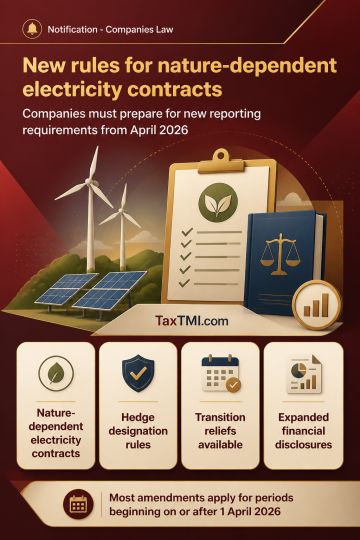
Nature-dependent electricity contracts receive new Ind AS accounting, hedge designation, transition and financial-statement disclosure requirements fr...
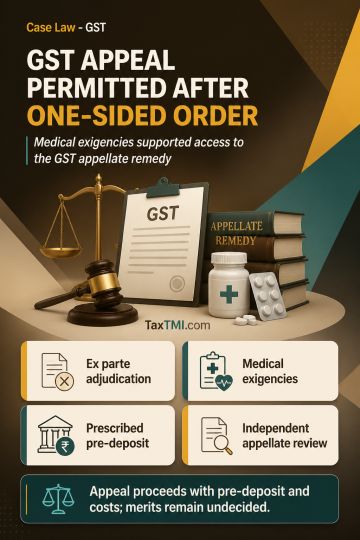
Alternative GST remedy permitted protective writ intervention for ex parte adjudication, preserving independent appellate review of input tax credit d...
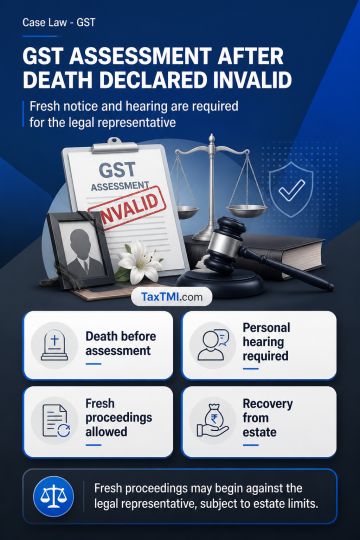
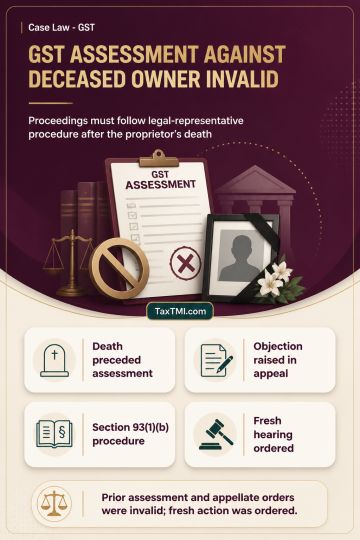
Assessment against deceased sole proprietor requires proceedings against the legal representative, rendering prior assessment and appellate orders inv...
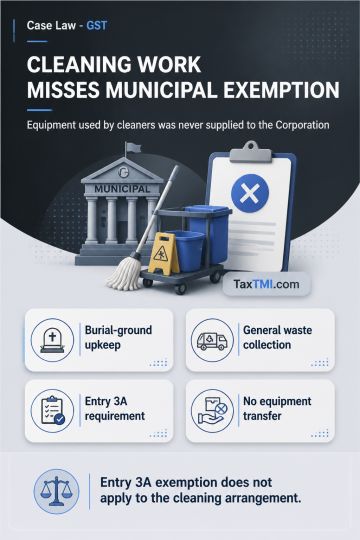
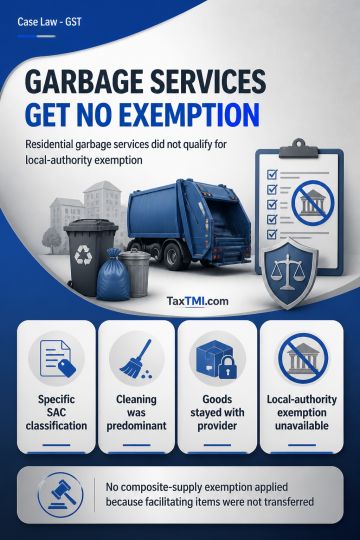
Residential waste collection classification under SAC 999423 defeats composite-supply exemption where facilitating goods are not transferred to the lo...
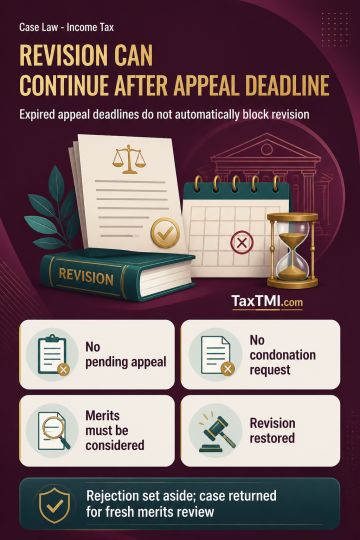
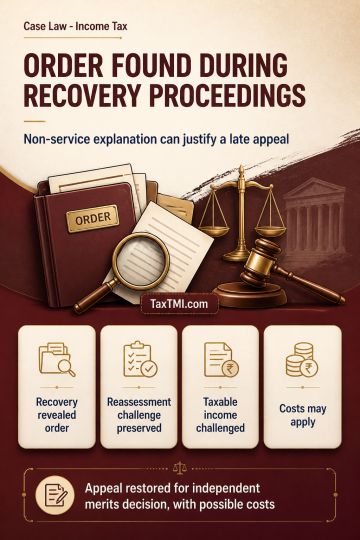
Condonation of delay permits statutory appeal restoration where inadequate service explanation prevented consideration of reassessment and taxable-inc...
Remuneration paid to whole-time directors was treated as outside the service tax net because the employment agreements, express employer-employee clauses, TDS under section 192, and Form 16 supported an employee relationship; variable or profit-linked pay did not change that character, so the demand, interest and penalties on that remuneration failed. Remuneration paid to non-whole-time directors was also not taxable on the facts shown, because the appellant had produced ST-3 returns indicating tax was discharged by its Bhubaneswar office, the Revenue did not rebut that evidence, and no centralized registration existed to justify a demand from the Salem office. Derivative demands based on an earlier set-aside notice, without independent evidence, could not survive, so the common orders were set aside in entirety.
Remuneration paid to whole-time directors was treated as outside the service tax net because the employment agreements, express employer-employee clauses, TDS under section 192, and Form 16 supported an employee relationship; variable or profit-linked pay did not change that character, so the demand, interest and penalties on that remuneration failed. Remuneration paid to non-whole-time directors was also not taxable on the facts shown, because the appellant had produced ST-3 returns indicating tax was discharged by its Bhubaneswar office, the Revenue did not rebut that evidence, and no centralized registration existed to justify a demand from the Salem office. Derivative demands based on an earlier set-aside notice, without independent evidence, could not survive, so the common orders were set aside in entirety.
Note: It is a system-generated summary and is for quick reference only.
 TaxTMI
  TaxTMI
 of 4809




 Join Channel


