Interactive touchscreen panels with integrated computing functions fall under automatic data-processing machines rather than display monitors for cust...
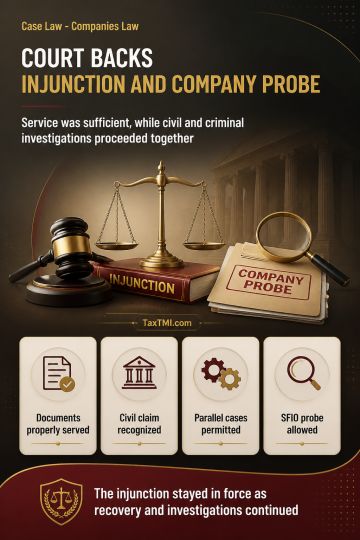
Ex parte injunction service requirements were substantially met, while civil recovery and SFIO investigation into provident fund defalcation continued...
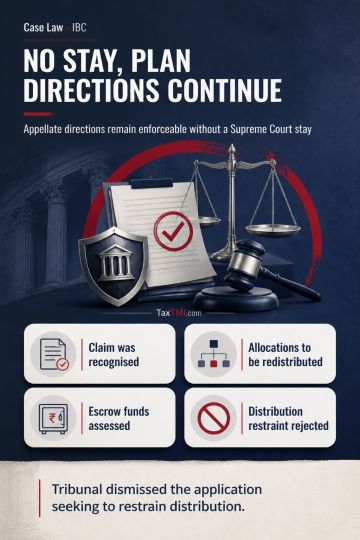
Enforcement of resolution-plan directions continues without a Supreme Court stay, preventing suspension of redistribution and escrowed-fund distributi...
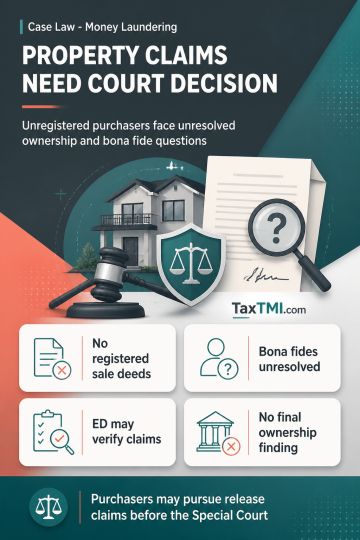
Third-party ownership claims over attached property require Special Court adjudication where purchasers lack registered sale deeds and bona fides rema...
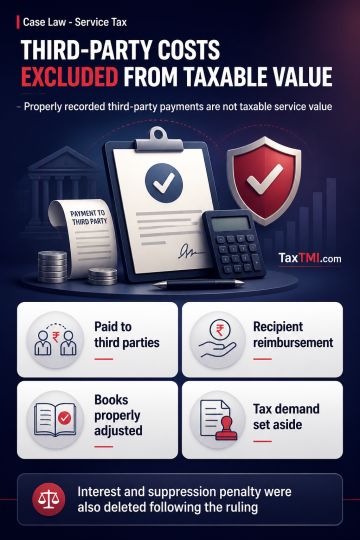
Pure-agent reimbursements in clearing and forwarding services are excluded from taxable value when qualifying third-party payments are properly record...
Customs relief for Strait of Hormuz maritime disruptions remains available, with existing conditions continuing unchanged through the extended validit...
Proof of demand is the gravamen of offences under Sections 7 and 13 of the Prevention of Corruption Act, and recovery of tainted money alone is insufficient without reliable evidence of demand and voluntary acceptance. The Supreme Court upheld the acquittal because the prosecution failed to establish the foundational facts beyond reasonable doubt, material witnesses did not support its case in material particulars, and the statutory presumption under Section 20 could not be invoked. The conspiracy charge also failed because there was no cogent evidence of prior agreement or meeting of minds. The Court further accepted an adverse inference from the non-production of the alleged tape-recorded conversation and declined to interfere with the High Court's plausible view.
Proof of demand is the gravamen of offences under Sections 7 and 13 of the Prevention of Corruption Act, and recovery of tainted money alone is insufficient without reliable evidence of demand and voluntary acceptance. The Supreme Court upheld the acquittal because the prosecution failed to establish the foundational facts beyond reasonable doubt, material witnesses did not support its case in material particulars, and the statutory presumption under Section 20 could not be invoked. The conspiracy charge also failed because there was no cogent evidence of prior agreement or meeting of minds. The Court further accepted an adverse inference from the non-production of the alleged tape-recorded conversation and declined to interfere with the High Court's plausible view.
Note: It is a system-generated summary and is for quick reference only.
 TaxTMI
  TaxTMI
 of 4811








 Join Channel