Transfer pricing and tax deductions upheld on established principles, while employee contributions and warranty provisions returned for fresh examinat...
Captive transfer pricing relies on industrial consumer tariffs, while genuine quotations can benchmark effluent treatment transfers under the Other Me...
Specific tariff classification for ophthalmic instruments and extended limitation principles determine the treatment of duty demands, confiscation, an...
Integrated golf function determines classification, placing launch monitors and simulators under other golf equipment rather than measuring instrument...
Public servant status under anti-corruption law extends to recognised stock exchange leadership; constitutional and sanction challenges do not succeed...
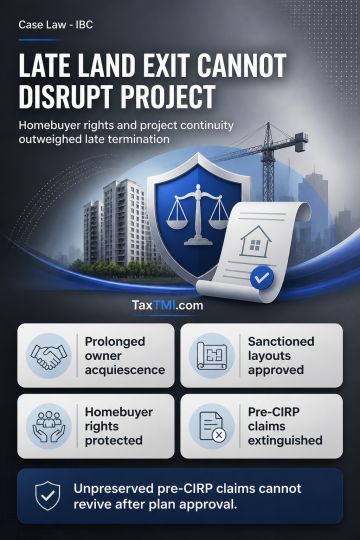
Acquiescence, homebuyer protection and clean-slate resolution principles prevent landowners from disrupting an integrated project through late termina...
A customs broker's failure to verify the authenticity of duty credit scrips was treated as conscious facilitation where forged, duplicated and re-registered DGFT scrips were used for duty debit. The Tribunal held that the broker was bound to insist on physical copies or verify the scrip particulars from the DGFT database, since the clearance condition required production of the scrip before the proper officer for debit. On the facts, the repeated use of forged scrips and complete lack of verification justified liability under section 114AA, and the penalty was upheld. The Tribunal distinguished an earlier CESTAT ruling because intent and knowledge had been specifically addressed here.
A customs broker's failure to verify the authenticity of duty credit scrips was treated as conscious facilitation where forged, duplicated and re-registered DGFT scrips were used for duty debit. The Tribunal held that the broker was bound to insist on physical copies or verify the scrip particulars from the DGFT database, since the clearance condition required production of the scrip before the proper officer for debit. On the facts, the repeated use of forged scrips and complete lack of verification justified liability under section 114AA, and the penalty was upheld. The Tribunal distinguished an earlier CESTAT ruling because intent and knowledge had been specifically addressed here.
Note: It is a system-generated summary and is for quick reference only.
 TaxTMI
 of 4805



















 Join Channel


 TaxTMI