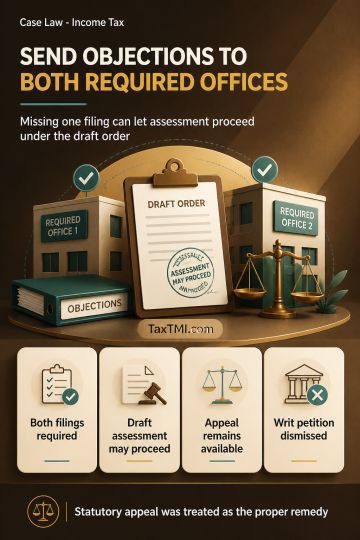
Dispute Resolution Panel objections must reach both prescribed forums; otherwise assessment may proceed and statutory appeal remains the proper remedy...
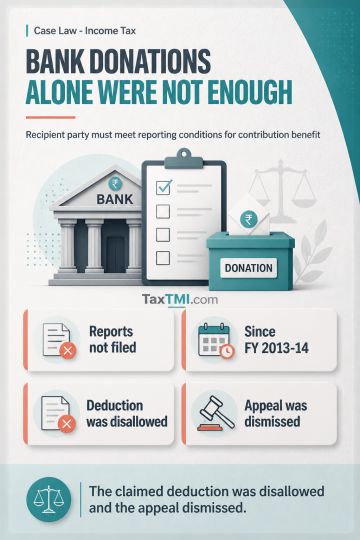
Political contribution deductions require recipient party compliance with contribution-reporting conditions; banking-channel donations alone do not qu...
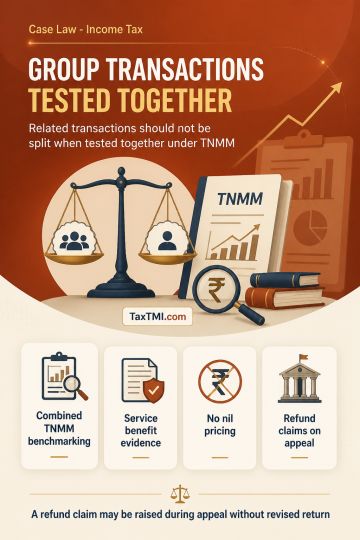
Aggregation under TNMM prevents selective testing of intra-group services without comparable uncontrolled transactions, while appellate additional cla...
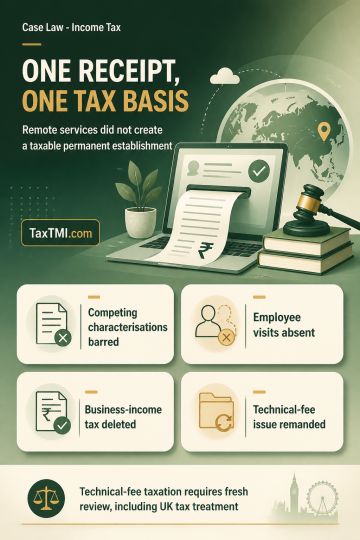
Protective assessment cannot duplicate identical receipts under competing characterisations; remote services did not establish a taxable permanent est...
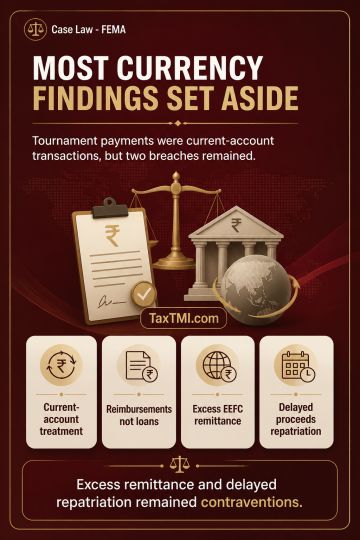
Current account treatment of overseas tournament services removed most FEMA findings, but excess EEFC remittance and delayed repatriation remained bre...
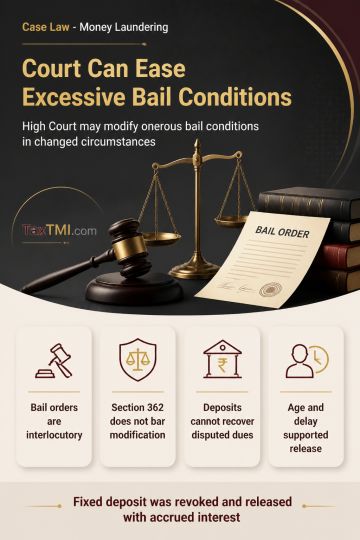
Modification of bail conditions remains available through inherent jurisdiction where onerous deposits undermine justice and cannot recover disputed d...
A customs broker's failure to verify the authenticity of duty credit scrips was treated as conscious facilitation where forged, duplicated and re-registered DGFT scrips were used for duty debit. The Tribunal held that the broker was bound to insist on physical copies or verify the scrip particulars from the DGFT database, since the clearance condition required production of the scrip before the proper officer for debit. On the facts, the repeated use of forged scrips and complete lack of verification justified liability under section 114AA, and the penalty was upheld. The Tribunal distinguished an earlier CESTAT ruling because intent and knowledge had been specifically addressed here.
A customs broker's failure to verify the authenticity of duty credit scrips was treated as conscious facilitation where forged, duplicated and re-registered DGFT scrips were used for duty debit. The Tribunal held that the broker was bound to insist on physical copies or verify the scrip particulars from the DGFT database, since the clearance condition required production of the scrip before the proper officer for debit. On the facts, the repeated use of forged scrips and complete lack of verification justified liability under section 114AA, and the penalty was upheld. The Tribunal distinguished an earlier CESTAT ruling because intent and knowledge had been specifically addressed here.
Note: It is a system-generated summary and is for quick reference only.
 TaxTMI
 of 4805






 Join Channel


 TaxTMI
