Specified development authority income receives retrospective tax exemption, subject to non-commercial activity, unchanged income sources, and return-...
Unified Brand India framework introduces voluntary Trust Mark certification and funding support for export branding, packaging and global promotional ...
Origin Declaration authentication governs preferential tariff claims under India-UK CETA, requiring a validated reference number before import clearan...
Separate assessment orders for different years remain valid when distinct notices and hearing opportunities prevent prejudice from combined proceeding...
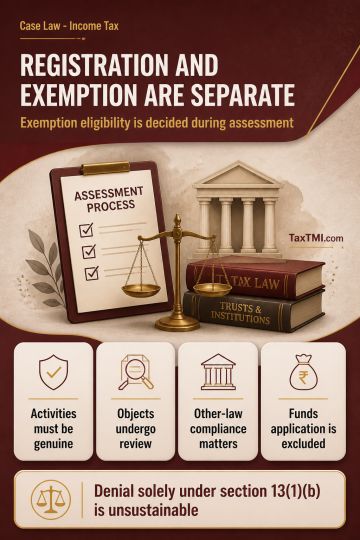
Defined public benefit can retain charitable character; registration renewal requires examining genuine activities and legal compliance, not surplus a...
Capital reduction is distinct from share buy-back, preventing buy-back tax; restructuring interest and related business deductions also survive scruti...
Contempt proceedings are quasi-criminal and, especially where civil imprisonment is sought, require strict compliance with procedure. The Tribunal held that the Adjudicating Authority had to first record prima facie satisfaction of clear and wilful disobedience and then issue a specific show-cause notice setting out the exact allegations; a routine notice calling for replies was insufficient, so the contempt finding and punishment were vitiated. It further held that personal punishment for contempt cannot be imposed against corporate entities without identifying the individual officers responsible and giving them an opportunity to defend themselves in their personal capacity. The contempt order and imprisonment direction were set aside, with liberty to revive proceedings after proper identification and fresh pleadings.
Contempt proceedings are quasi-criminal and, especially where civil imprisonment is sought, require strict compliance with procedure. The Tribunal held that the Adjudicating Authority had to first record prima facie satisfaction of clear and wilful disobedience and then issue a specific show-cause notice setting out the exact allegations; a routine notice calling for replies was insufficient, so the contempt finding and punishment were vitiated. It further held that personal punishment for contempt cannot be imposed against corporate entities without identifying the individual officers responsible and giving them an opportunity to defend themselves in their personal capacity. The contempt order and imprisonment direction were set aside, with liberty to revive proceedings after proper identification and fresh pleadings.
Note: It is a system-generated summary and is for quick reference only.
 TaxTMI
 of 4805
















 Join Channel


 TaxTMI
