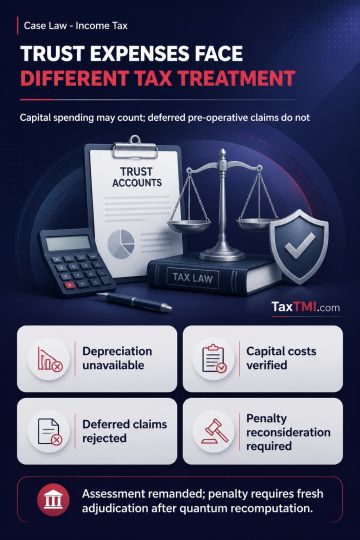
Charitable trust income application permits verified capital expenditure but rejects deferred pre-operative claims and requires reconsideration of con...
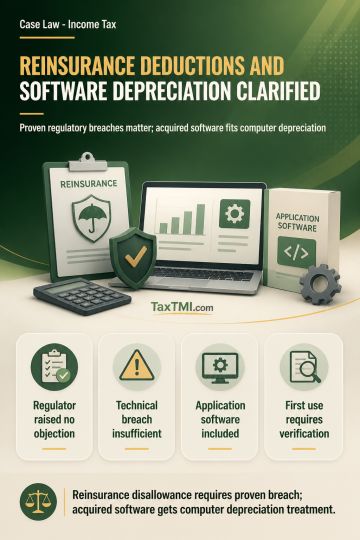
Reinsurance premium deductions require established regulatory breaches, while independently acquired software qualifies within the computer depreciati...
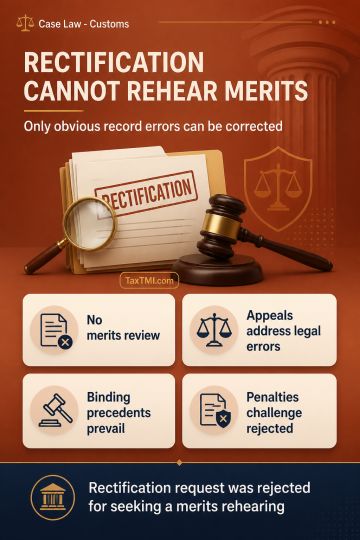
Rectification of mistake remains limited to self-evident record errors, preventing merits review through miscellaneous applications and preserving fin...
Tender creditworthiness conditions may extend to de facto Promoter Directors, with post-participation challenges generally barred absent arbitrariness...
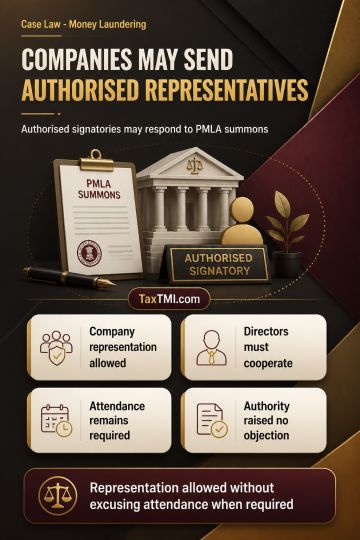
Corporate representation in PMLA summons proceedings permitted through an authorised signatory, subject to directors' continuing cooperation and atten...
Contempt proceedings are quasi-criminal and, especially where civil imprisonment is sought, require strict compliance with procedure. The Tribunal held that the Adjudicating Authority had to first record prima facie satisfaction of clear and wilful disobedience and then issue a specific show-cause notice setting out the exact allegations; a routine notice calling for replies was insufficient, so the contempt finding and punishment were vitiated. It further held that personal punishment for contempt cannot be imposed against corporate entities without identifying the individual officers responsible and giving them an opportunity to defend themselves in their personal capacity. The contempt order and imprisonment direction were set aside, with liberty to revive proceedings after proper identification and fresh pleadings.
Contempt proceedings are quasi-criminal and, especially where civil imprisonment is sought, require strict compliance with procedure. The Tribunal held that the Adjudicating Authority had to first record prima facie satisfaction of clear and wilful disobedience and then issue a specific show-cause notice setting out the exact allegations; a routine notice calling for replies was insufficient, so the contempt finding and punishment were vitiated. It further held that personal punishment for contempt cannot be imposed against corporate entities without identifying the individual officers responsible and giving them an opportunity to defend themselves in their personal capacity. The contempt order and imprisonment direction were set aside, with liberty to revive proceedings after proper identification and fresh pleadings.
Note: It is a system-generated summary and is for quick reference only.
 TaxTMI
 of 4805












 Join Channel


 TaxTMI
