Nature-dependent electricity contracts receive new Ind AS accounting, hedge designation, transition and financial-statement disclosure requirements fr...
Alternative GST remedy permitted protective writ intervention for ex parte adjudication, preserving independent appellate review of input tax credit d...
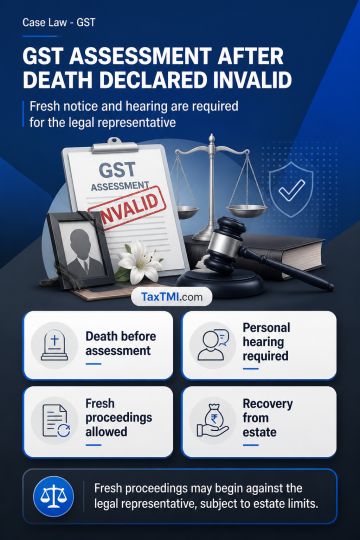
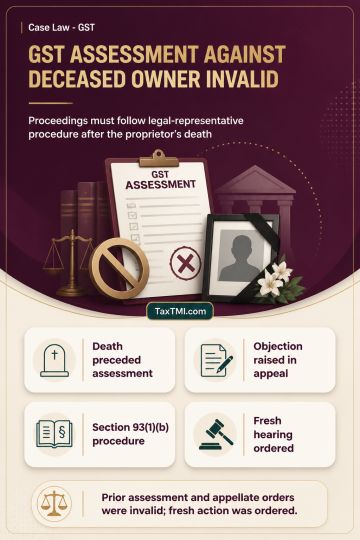
Assessment against deceased sole proprietor requires proceedings against the legal representative, rendering prior assessment and appellate orders inv...
Residential waste collection classification under SAC 999423 defeats composite-supply exemption where facilitating goods are not transferred to the lo...
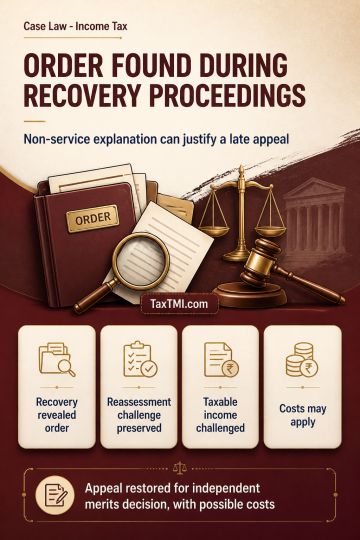
Condonation of delay permits statutory appeal restoration where inadequate service explanation prevented consideration of reassessment and taxable-inc...
Contempt proceedings are quasi-criminal and, especially where civil imprisonment is sought, require strict compliance with procedure. The Tribunal held that the Adjudicating Authority had to first record prima facie satisfaction of clear and wilful disobedience and then issue a specific show-cause notice setting out the exact allegations; a routine notice calling for replies was insufficient, so the contempt finding and punishment were vitiated. It further held that personal punishment for contempt cannot be imposed against corporate entities without identifying the individual officers responsible and giving them an opportunity to defend themselves in their personal capacity. The contempt order and imprisonment direction were set aside, with liberty to revive proceedings after proper identification and fresh pleadings.
Contempt proceedings are quasi-criminal and, especially where civil imprisonment is sought, require strict compliance with procedure. The Tribunal held that the Adjudicating Authority had to first record prima facie satisfaction of clear and wilful disobedience and then issue a specific show-cause notice setting out the exact allegations; a routine notice calling for replies was insufficient, so the contempt finding and punishment were vitiated. It further held that personal punishment for contempt cannot be imposed against corporate entities without identifying the individual officers responsible and giving them an opportunity to defend themselves in their personal capacity. The contempt order and imprisonment direction were set aside, with liberty to revive proceedings after proper identification and fresh pleadings.
Note: It is a system-generated summary and is for quick reference only.
 TaxTMI
  TaxTMI
 of 4809















 Join Channel


