Specified development authority income receives retrospective tax exemption, subject to non-commercial activity, unchanged income sources, and return-...
Unified Brand India framework introduces voluntary Trust Mark certification and funding support for export branding, packaging and global promotional ...
Origin Declaration authentication governs preferential tariff claims under India-UK CETA, requiring a validated reference number before import clearan...
Separate assessment orders for different years remain valid when distinct notices and hearing opportunities prevent prejudice from combined proceeding...
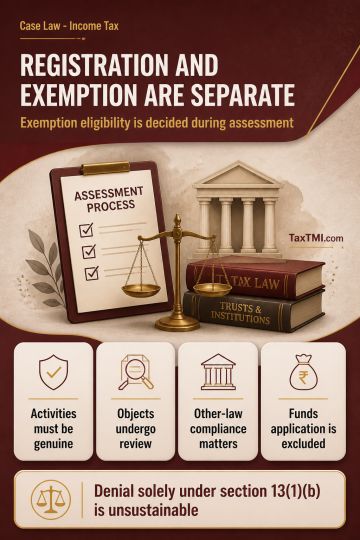
Defined public benefit can retain charitable character; registration renewal requires examining genuine activities and legal compliance, not surplus a...
Capital reduction is distinct from share buy-back, preventing buy-back tax; restructuring interest and related business deductions also survive scruti...
Resolution professional was entitled to cooperation, project records and access from a party operating under project agreements because, once CIRP commenced, the RP had a statutory duty to preserve and protect the corporate debtor's assets. The tribunal held that the matter was not a mere contractual dispute and directed disclosure of documents and information, but declined to stop construction because continuation was necessary in the interest of stakeholders, especially homebuyers. It also held that unregistered development documents did not create title in immovable property, so the project remained with the corporate debtor, while the earlier registered mortgage over the land, units and receivables continued and was not displaced by later development arrangements.
Resolution professional was entitled to cooperation, project records and access from a party operating under project agreements because, once CIRP commenced, the RP had a statutory duty to preserve and protect the corporate debtor's assets. The tribunal held that the matter was not a mere contractual dispute and directed disclosure of documents and information, but declined to stop construction because continuation was necessary in the interest of stakeholders, especially homebuyers. It also held that unregistered development documents did not create title in immovable property, so the project remained with the corporate debtor, while the earlier registered mortgage over the land, units and receivables continued and was not displaced by later development arrangements.
Note: It is a system-generated summary and is for quick reference only.
 TaxTMI
 of 4805
















 Join Channel


 TaxTMI
