Specified regulatory authority income receives conditional tax exemption, subject to non-commercial activity, unchanged income character, and return f...
Tax exemption for regulatory authority income applies retrospectively, subject to non-commercial activity, unchanged income sources, and return-filing...
Input tax credit conditions remain constitutionally valid, with eligible recipient claims considered under GST circulars and retrospective filing dead...
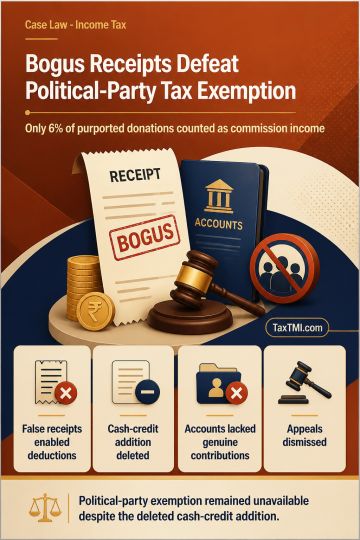
Bogus donation receipts justified commission income assessment and defeated political-party tax exemption for inaccurate accounts and reporting failur...
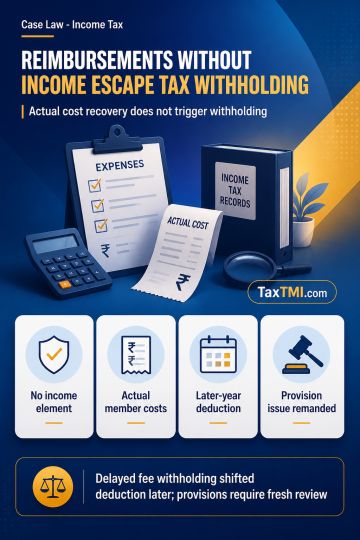
Pure reimbursement without income element escapes tax withholding, while delayed withholding and unsupported provisions face deferred or renewed scrut...
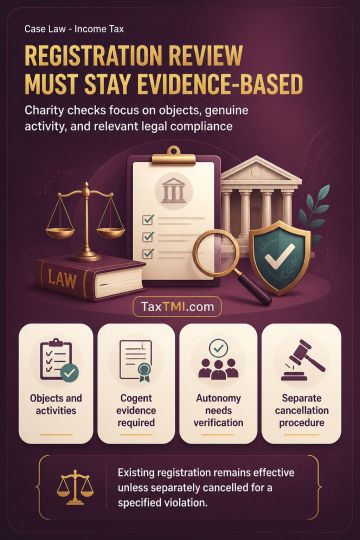
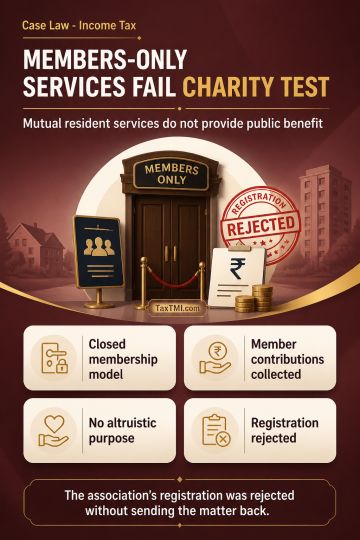
Public benefit requirement defeats charitable registration where residents' association services are reciprocal, member-only facilities governed by mu...
Resolution professional was entitled to cooperation, project records and access from a party operating under project agreements because, once CIRP commenced, the RP had a statutory duty to preserve and protect the corporate debtor's assets. The tribunal held that the matter was not a mere contractual dispute and directed disclosure of documents and information, but declined to stop construction because continuation was necessary in the interest of stakeholders, especially homebuyers. It also held that unregistered development documents did not create title in immovable property, so the project remained with the corporate debtor, while the earlier registered mortgage over the land, units and receivables continued and was not displaced by later development arrangements.
Resolution professional was entitled to cooperation, project records and access from a party operating under project agreements because, once CIRP commenced, the RP had a statutory duty to preserve and protect the corporate debtor's assets. The tribunal held that the matter was not a mere contractual dispute and directed disclosure of documents and information, but declined to stop construction because continuation was necessary in the interest of stakeholders, especially homebuyers. It also held that unregistered development documents did not create title in immovable property, so the project remained with the corporate debtor, while the earlier registered mortgage over the land, units and receivables continued and was not displaced by later development arrangements.
Note: It is a system-generated summary and is for quick reference only.
 TaxTMI
 of 4805









 Join Channel


 TaxTMI