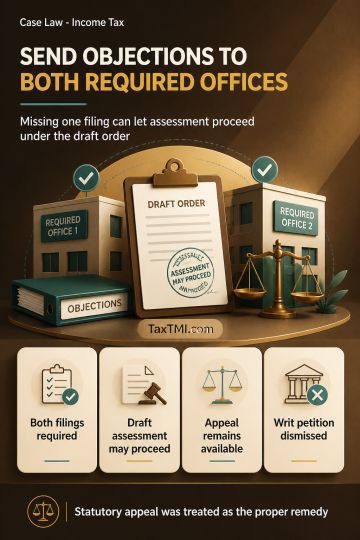
Dispute Resolution Panel objections must reach both prescribed forums; otherwise assessment may proceed and statutory appeal remains the proper remedy...
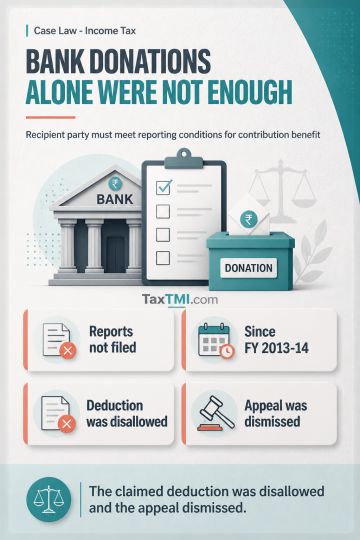
Political contribution deductions require recipient party compliance with contribution-reporting conditions; banking-channel donations alone do not qu...
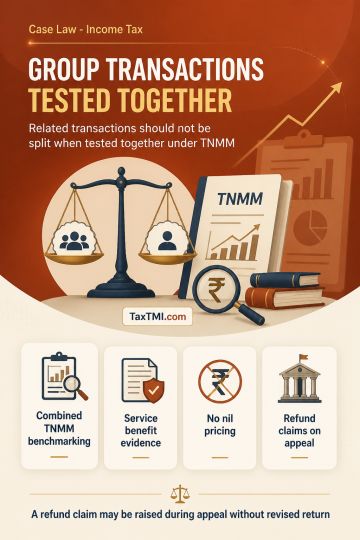
Aggregation under TNMM prevents selective testing of intra-group services without comparable uncontrolled transactions, while appellate additional cla...
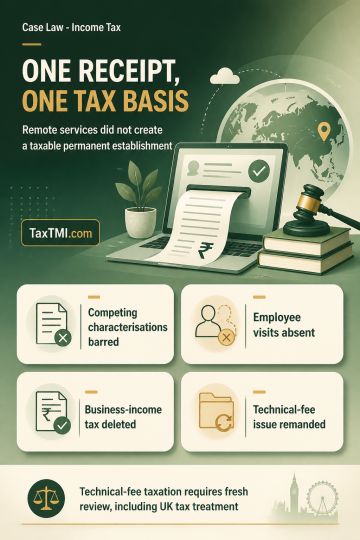
Protective assessment cannot duplicate identical receipts under competing characterisations; remote services did not establish a taxable permanent est...
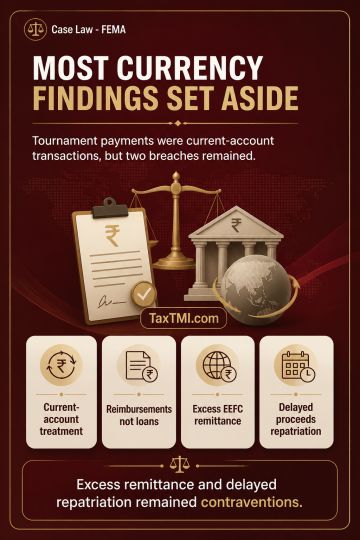
Current account treatment of overseas tournament services removed most FEMA findings, but excess EEFC remittance and delayed repatriation remained bre...
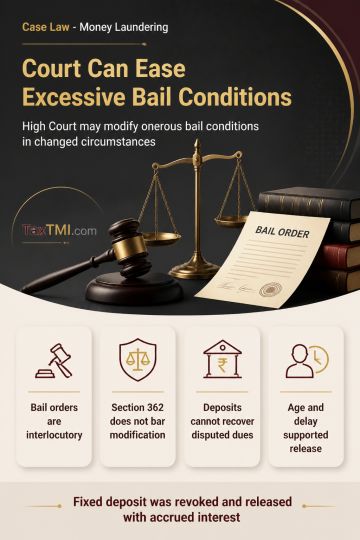
Modification of bail conditions remains available through inherent jurisdiction where onerous deposits undermine justice and cannot recover disputed d...
Resolution professional was entitled to cooperation, project records and access from a party operating under project agreements because, once CIRP commenced, the RP had a statutory duty to preserve and protect the corporate debtor's assets. The tribunal held that the matter was not a mere contractual dispute and directed disclosure of documents and information, but declined to stop construction because continuation was necessary in the interest of stakeholders, especially homebuyers. It also held that unregistered development documents did not create title in immovable property, so the project remained with the corporate debtor, while the earlier registered mortgage over the land, units and receivables continued and was not displaced by later development arrangements.
Resolution professional was entitled to cooperation, project records and access from a party operating under project agreements because, once CIRP commenced, the RP had a statutory duty to preserve and protect the corporate debtor's assets. The tribunal held that the matter was not a mere contractual dispute and directed disclosure of documents and information, but declined to stop construction because continuation was necessary in the interest of stakeholders, especially homebuyers. It also held that unregistered development documents did not create title in immovable property, so the project remained with the corporate debtor, while the earlier registered mortgage over the land, units and receivables continued and was not displaced by later development arrangements.
Note: It is a system-generated summary and is for quick reference only.
 TaxTMI
 of 4805







 Join Channel


 TaxTMI
