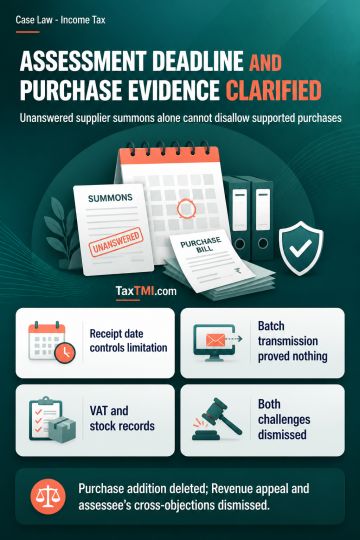
Limitation for consequential assessments runs from prescribed authority receipt, while verified purchases cannot be disallowed merely for unanswered s...
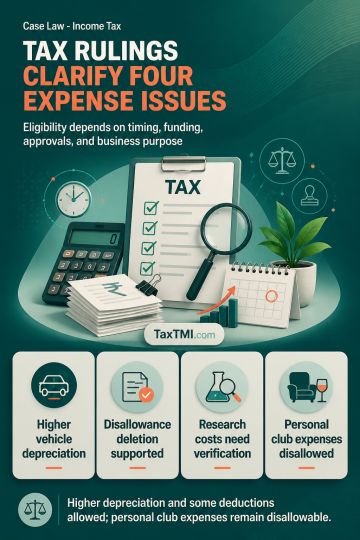
Higher depreciation for qualifying commercial vehicles, exempt-income disallowance, research deduction verification, and club-expense treatment clarif...
Charitable registration renewal cannot become an assessment of receipts, profitability or annual exemption compliance, requiring renewal and donation ...
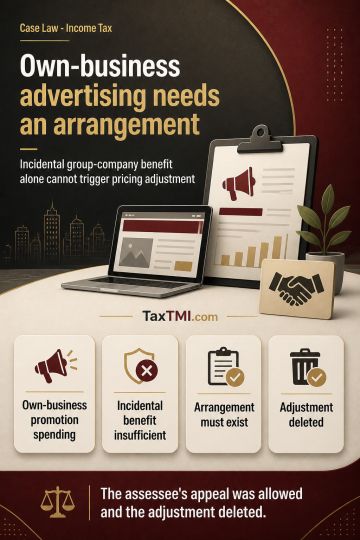
AMP expenditure for own business is not an international transaction without an associated-enterprise arrangement, eliminating transfer pricing adjust...
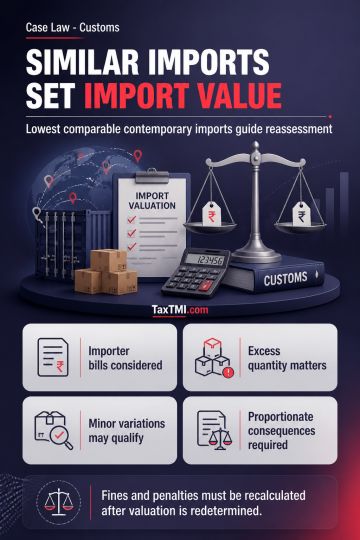
Customs valuation must use comparable contemporary imports, while confiscation fines and penalties require proportionate recalculation on reassessed v...
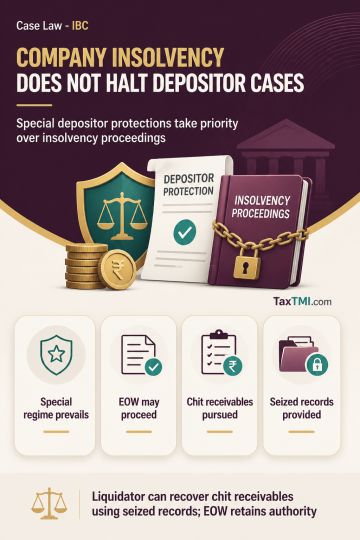
Depositor-protection proceedings prevail over corporate insolvency, while liquidators may recover chit receivables using copies of seized company reco...
Resolution professional was entitled to cooperation, project records and access from a party operating under project agreements because, once CIRP commenced, the RP had a statutory duty to preserve and protect the corporate debtor's assets. The tribunal held that the matter was not a mere contractual dispute and directed disclosure of documents and information, but declined to stop construction because continuation was necessary in the interest of stakeholders, especially homebuyers. It also held that unregistered development documents did not create title in immovable property, so the project remained with the corporate debtor, while the earlier registered mortgage over the land, units and receivables continued and was not displaced by later development arrangements.
Resolution professional was entitled to cooperation, project records and access from a party operating under project agreements because, once CIRP commenced, the RP had a statutory duty to preserve and protect the corporate debtor's assets. The tribunal held that the matter was not a mere contractual dispute and directed disclosure of documents and information, but declined to stop construction because continuation was necessary in the interest of stakeholders, especially homebuyers. It also held that unregistered development documents did not create title in immovable property, so the project remained with the corporate debtor, while the earlier registered mortgage over the land, units and receivables continued and was not displaced by later development arrangements.
Note: It is a system-generated summary and is for quick reference only.
 TaxTMI
  TaxTMI
 of 4811










 Join Channel