Pre-existing operational debt disputes require genuine evidence, while undirected running-account payments may be appropriated on a first-in-first-out...
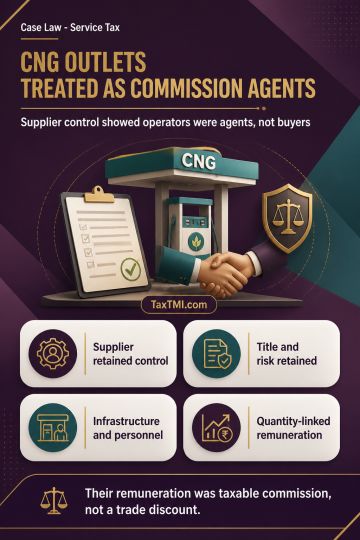
Agency in CNG distribution makes outlet operators commission agents, rendering taxable Business Auxiliary Service rather than purchasing goods for res...
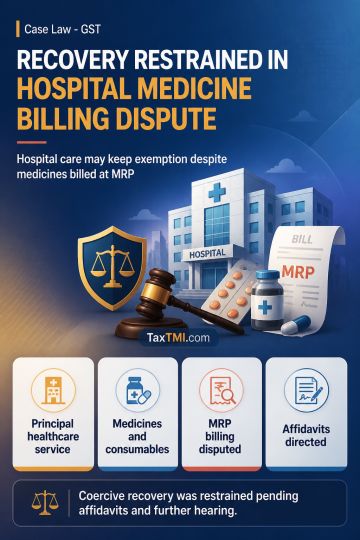
Composite inpatient healthcare supply may retain exemption despite MRP medicine billing, while separate taxable sale characterisation remains disputed...
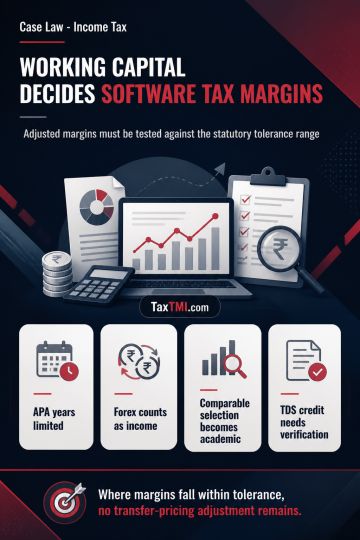
Working-capital adjustment determines whether software-services transfer-pricing margins fall within the statutory tolerance range, eliminating any ad...
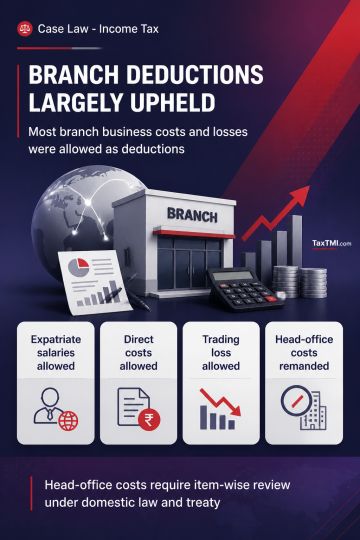
Permanent establishment deductions upheld for expatriate salaries, direct costs and trading losses, while head-office costs require fresh classificati...
Page of 4807
Press 'Enter' after typing page number.
1101 to 1120 of 96136 Results
❮
❯
❯❯
0 / 200
Expand Note
Add to Folder
No Folders have been created
+
Are you sure you want to delete "My most important" ?
Service tax liability prior to the Point of Taxation regime arose on actual receipt of consideration, not merely on accrual-based book figures or sundry debtors; GTA liability also rested on the service recipient under reverse charge, and the related demands were unsustainable. Classification turned on the real nature of the activity, so export cargo handling could not be taxed as Clearing and Forwarding Agent service, and pure reimbursements without profit element were excluded from value. Advances linked to GTA service were covered by reverse charge, unsecured loan receipts were not consideration for service, and detention charges were penal in nature. CENVAT credit could not be denied for clerical invoice defects where receipt and use of input services were established. A second notice on the same known facts could not invoke the extended period, and Section 78 penalty failed for want of wilful suppression.
Service tax liability prior to the Point of Taxation regime arose on actual receipt of consideration, not merely on accrual-based book figures or sundry debtors; GTA liability also rested on the service recipient under reverse charge, and the related demands were unsustainable. Classification turned on the real nature of the activity, so export cargo handling could not be taxed as Clearing and Forwarding Agent service, and pure reimbursements without profit element were excluded from value. Advances linked to GTA service were covered by reverse charge, unsecured loan receipts were not consideration for service, and detention charges were penal in nature. CENVAT credit could not be denied for clerical invoice defects where receipt and use of input services were established. A second notice on the same known facts could not invoke the extended period, and Section 78 penalty failed for want of wilful suppression.
Note: It is a system-generated summary and is for quick reference only.
 TaxTMI
 of 4807














 Join Channel


 TaxTMI