Judicial review of settlement orders cannot reopen settled customs notices, while statutory interest remains subject to verification and quantificatio...
Customs Broker licence lending for consideration justified revocation where exporter authorisation and client verification obligations were also breac...
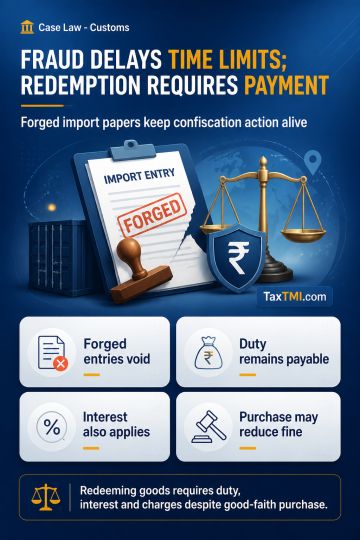
Fraudulent import documents suspend limitation protection, while redemption of confiscated goods requires duty and interest despite bona fide purchase...
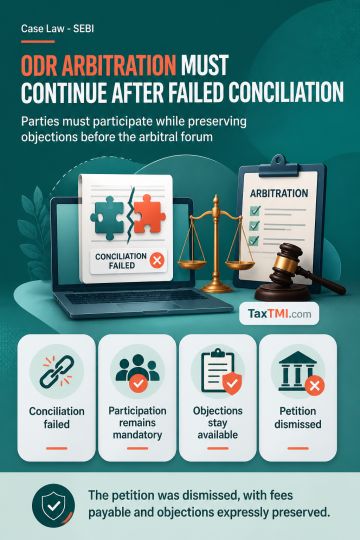
ODR arbitration participation remains mandatory after failed conciliation, while jurisdictional and maintainability objections stay available before t...
Transparency in technical bid evaluation requires disclosed standards and recorded reasons; opaque scoring invalidated tender awards and required fres...
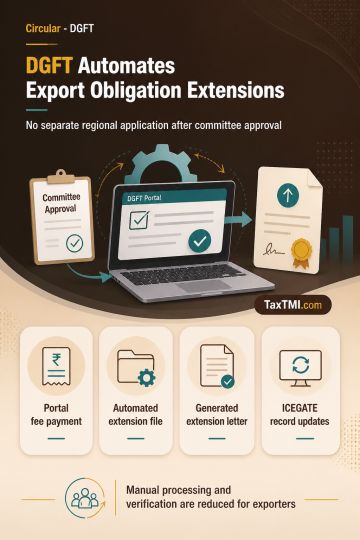
Automated export obligation extensions remove separate regional applications after committee approval for Advance Authorisation and EPCG authorisation...
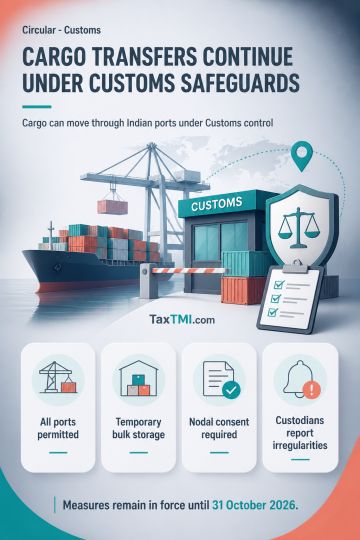
International cargo transhipment through Indian ports continues with Customs-controlled storage, re-export safeguards, and coordinated multi-station m...
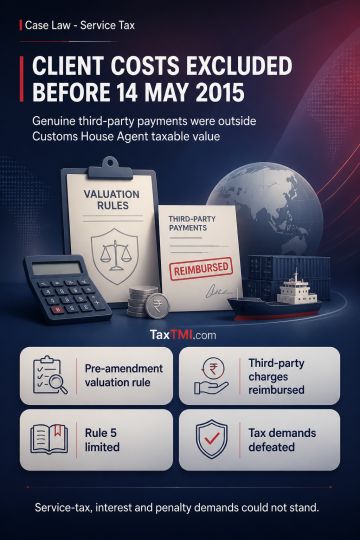
Service tax liability prior to the Point of Taxation regime arose on actual receipt of consideration, not merely on accrual-based book figures or sundry debtors; GTA liability also rested on the service recipient under reverse charge, and the related demands were unsustainable. Classification turned on the real nature of the activity, so export cargo handling could not be taxed as Clearing and Forwarding Agent service, and pure reimbursements without profit element were excluded from value. Advances linked to GTA service were covered by reverse charge, unsecured loan receipts were not consideration for service, and detention charges were penal in nature. CENVAT credit could not be denied for clerical invoice defects where receipt and use of input services were established. A second notice on the same known facts could not invoke the extended period, and Section 78 penalty failed for want of wilful suppression.
Service tax liability prior to the Point of Taxation regime arose on actual receipt of consideration, not merely on accrual-based book figures or sundry debtors; GTA liability also rested on the service recipient under reverse charge, and the related demands were unsustainable. Classification turned on the real nature of the activity, so export cargo handling could not be taxed as Clearing and Forwarding Agent service, and pure reimbursements without profit element were excluded from value. Advances linked to GTA service were covered by reverse charge, unsecured loan receipts were not consideration for service, and detention charges were penal in nature. CENVAT credit could not be denied for clerical invoice defects where receipt and use of input services were established. A second notice on the same known facts could not invoke the extended period, and Section 78 penalty failed for want of wilful suppression.
Note: It is a system-generated summary and is for quick reference only.
 TaxTMI
  TaxTMI
 of 4817














 Join Channel