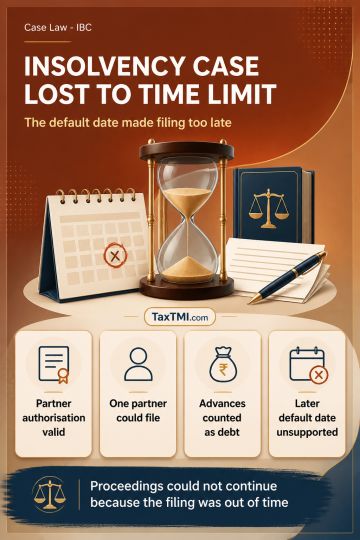
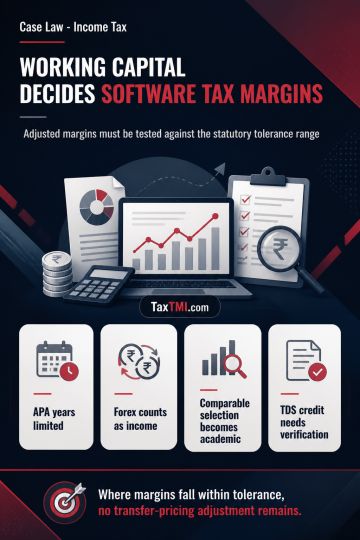
Working-capital adjustment determines whether software-services transfer-pricing margins fall within the statutory tolerance range, eliminating any ad...
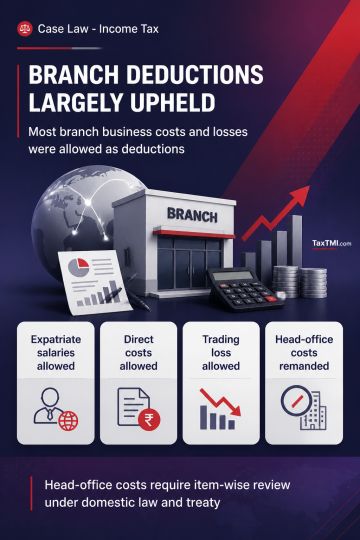
Permanent establishment deductions upheld for expatriate salaries, direct costs and trading losses, while head-office costs require fresh classificati...
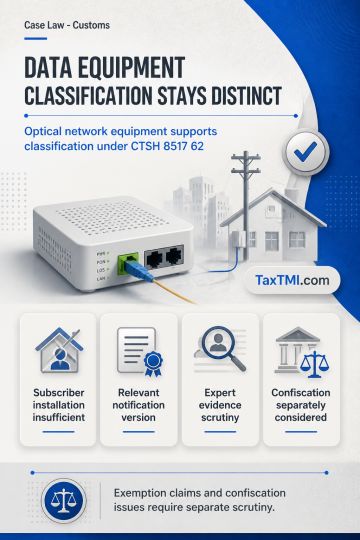
Data transmission equipment classification under CTSH 8517 62 remains distinct from residual classification, with exemption evidence requiring scrutin...
Laundry soap was treated as distinct from toilet soap under the common parlance test and the Customs Tariff structure, because toilet soap is for personal cleansing while laundry soap is for washing clothes, and BIS specifications showed material differences in composition and characteristics. Occasional dual use did not change the product identity, so laundry soap could not be brought within the concessional entry for toilet soap. Accordingly, laundry soap bars weighing less than 500 grams were classified under tariff item 34011942 as other soap and attracted GST at 9% CGST and 9% SGST under serial no. 66 of Schedule II, rather than the concessional rate for toilet soap.
Laundry soap was treated as distinct from toilet soap under the common parlance test and the Customs Tariff structure, because toilet soap is for personal cleansing while laundry soap is for washing clothes, and BIS specifications showed material differences in composition and characteristics. Occasional dual use did not change the product identity, so laundry soap could not be brought within the concessional entry for toilet soap. Accordingly, laundry soap bars weighing less than 500 grams were classified under tariff item 34011942 as other soap and attracted GST at 9% CGST and 9% SGST under serial no. 66 of Schedule II, rather than the concessional rate for toilet soap.
Note: It is a system-generated summary and is for quick reference only.
 TaxTMI
 of 4805



 Join Channel


 TaxTMI