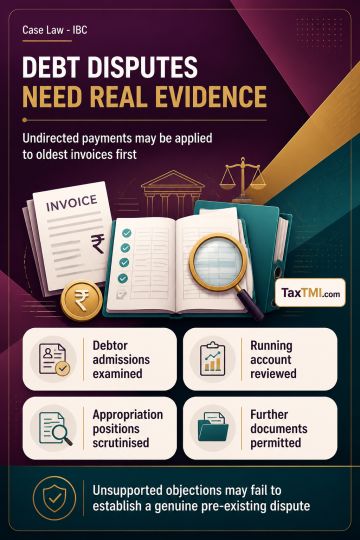
Pre-existing operational debt disputes require genuine evidence, while undirected running-account payments may be appropriated on a first-in-first-out...
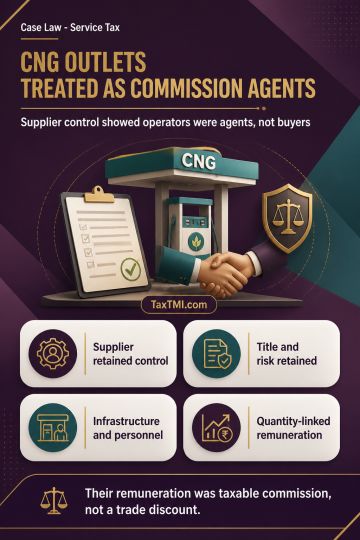
Agency in CNG distribution makes outlet operators commission agents, rendering taxable Business Auxiliary Service rather than purchasing goods for res...
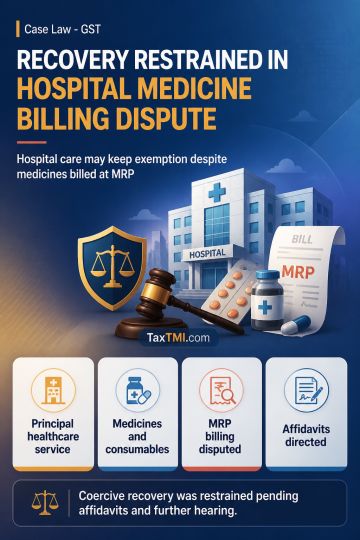
Composite inpatient healthcare supply may retain exemption despite MRP medicine billing, while separate taxable sale characterisation remains disputed...
Laundry soap was treated as distinct from toilet soap under the common parlance test and the Customs Tariff structure, because toilet soap is for personal cleansing while laundry soap is for washing clothes, and BIS specifications showed material differences in composition and characteristics. Occasional dual use did not change the product identity, so laundry soap could not be brought within the concessional entry for toilet soap. Accordingly, laundry soap bars weighing less than 500 grams were classified under tariff item 34011942 as other soap and attracted GST at 9% CGST and 9% SGST under serial no. 66 of Schedule II, rather than the concessional rate for toilet soap.
Laundry soap was treated as distinct from toilet soap under the common parlance test and the Customs Tariff structure, because toilet soap is for personal cleansing while laundry soap is for washing clothes, and BIS specifications showed material differences in composition and characteristics. Occasional dual use did not change the product identity, so laundry soap could not be brought within the concessional entry for toilet soap. Accordingly, laundry soap bars weighing less than 500 grams were classified under tariff item 34011942 as other soap and attracted GST at 9% CGST and 9% SGST under serial no. 66 of Schedule II, rather than the concessional rate for toilet soap.
Note: It is a system-generated summary and is for quick reference only.
 TaxTMI
 of 4805




 Join Channel


 TaxTMI
