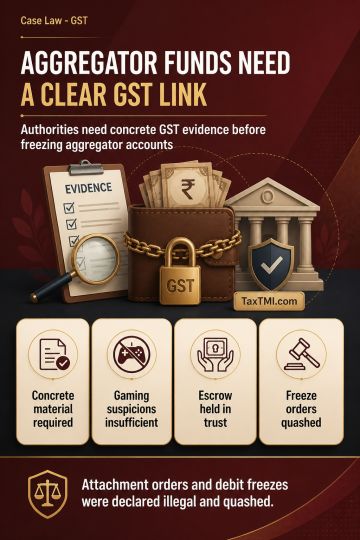
Electronic evidence and search statements in tax assessments require authenticity review and corroboration, while procedural manuals lack statutory fo...
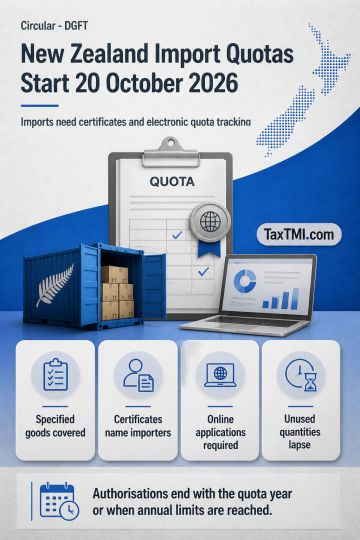
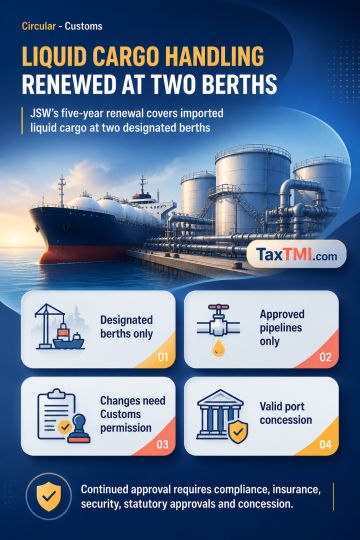
Tariff rate quota authorisations govern preferential imports of specified New Zealand goods through export certification and electronic customs debiti...
Electronic Continuity Bond Registration replaces manual container permissions, with quarterly reporting and re-export monitoring for duty-free contain...
Laundry soap was treated as distinct from toilet soap under the common parlance test and the Customs Tariff structure, because toilet soap is for personal cleansing while laundry soap is for washing clothes, and BIS specifications showed material differences in composition and characteristics. Occasional dual use did not change the product identity, so laundry soap could not be brought within the concessional entry for toilet soap. Accordingly, laundry soap bars weighing less than 500 grams were classified under tariff item 34011942 as other soap and attracted GST at 9% CGST and 9% SGST under serial no. 66 of Schedule II, rather than the concessional rate for toilet soap.
Laundry soap was treated as distinct from toilet soap under the common parlance test and the Customs Tariff structure, because toilet soap is for personal cleansing while laundry soap is for washing clothes, and BIS specifications showed material differences in composition and characteristics. Occasional dual use did not change the product identity, so laundry soap could not be brought within the concessional entry for toilet soap. Accordingly, laundry soap bars weighing less than 500 grams were classified under tariff item 34011942 as other soap and attracted GST at 9% CGST and 9% SGST under serial no. 66 of Schedule II, rather than the concessional rate for toilet soap.
Note: It is a system-generated summary and is for quick reference only.
 TaxTMI
 TaxTMI

 of 4921