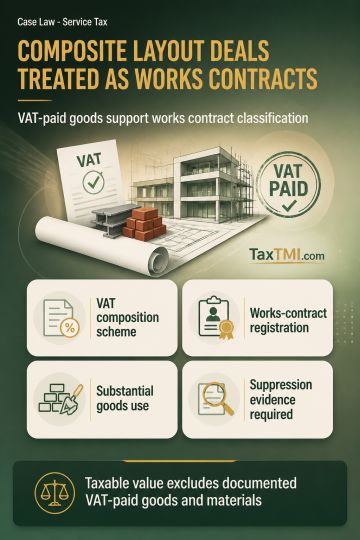
Works contract classification governs composite layout-development contracts where VAT-paid goods are transferred alongside construction and infrastru...
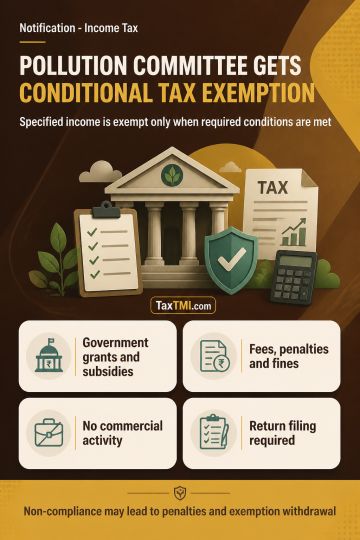
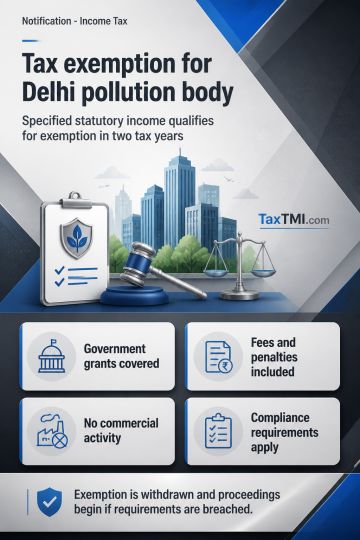
Specified income tax exemption for pollution control body remains conditional on non-commercial activity, unchanged income character, and return filin...
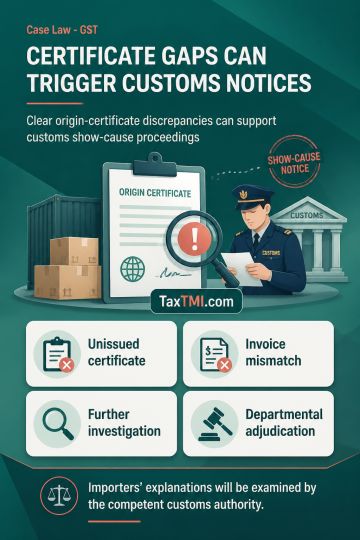
Jurisdictional facts in certificate-of-origin discrepancies can support customs show-cause proceedings, leaving factual explanations for departmental ...
A steamer agent's penalty under Section 112(a) of the Customs Act was set aside because it filed the IGM on the Master's declarations, promptly sought amendment on confirmation of the retained onboard cargo, and there was no evidence of conscious involvement, connivance, aiding, abetting, or deliberate suppression. The Tribunal held that a mere procedural lapse, inadvertent omission, or communication failure is insufficient for penal liability. It also ruled that retained onboard cargo which remained continuously on the vessel, was never unloaded in India, and was discharged abroad did not acquire the character of imported goods and therefore was not liable to confiscation under Section 111.
A steamer agent's penalty under Section 112(a) of the Customs Act was set aside because it filed the IGM on the Master's declarations, promptly sought amendment on confirmation of the retained onboard cargo, and there was no evidence of conscious involvement, connivance, aiding, abetting, or deliberate suppression. The Tribunal held that a mere procedural lapse, inadvertent omission, or communication failure is insufficient for penal liability. It also ruled that retained onboard cargo which remained continuously on the vessel, was never unloaded in India, and was discharged abroad did not acquire the character of imported goods and therefore was not liable to confiscation under Section 111.
Note: It is a system-generated summary and is for quick reference only.
 TaxTMI
 of 4805






 Join Channel


 TaxTMI