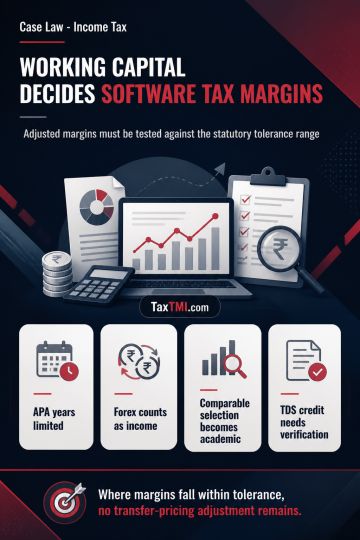
Working-capital adjustment determines whether software-services transfer-pricing margins fall within the statutory tolerance range, eliminating any ad...
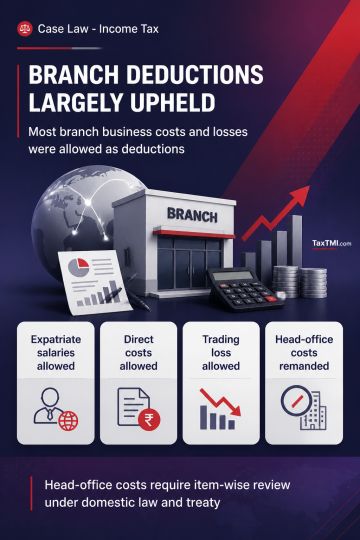
Permanent establishment deductions upheld for expatriate salaries, direct costs and trading losses, while head-office costs require fresh classificati...
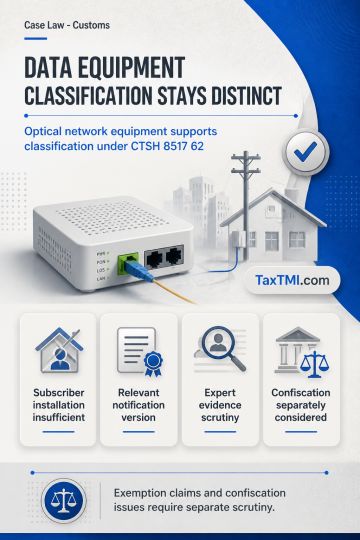
Data transmission equipment classification under CTSH 8517 62 remains distinct from residual classification, with exemption evidence requiring scrutin...
A steamer agent's penalty under Section 112(a) of the Customs Act was set aside because it filed the IGM on the Master's declarations, promptly sought amendment on confirmation of the retained onboard cargo, and there was no evidence of conscious involvement, connivance, aiding, abetting, or deliberate suppression. The Tribunal held that a mere procedural lapse, inadvertent omission, or communication failure is insufficient for penal liability. It also ruled that retained onboard cargo which remained continuously on the vessel, was never unloaded in India, and was discharged abroad did not acquire the character of imported goods and therefore was not liable to confiscation under Section 111.
A steamer agent's penalty under Section 112(a) of the Customs Act was set aside because it filed the IGM on the Master's declarations, promptly sought amendment on confirmation of the retained onboard cargo, and there was no evidence of conscious involvement, connivance, aiding, abetting, or deliberate suppression. The Tribunal held that a mere procedural lapse, inadvertent omission, or communication failure is insufficient for penal liability. It also ruled that retained onboard cargo which remained continuously on the vessel, was never unloaded in India, and was discharged abroad did not acquire the character of imported goods and therefore was not liable to confiscation under Section 111.
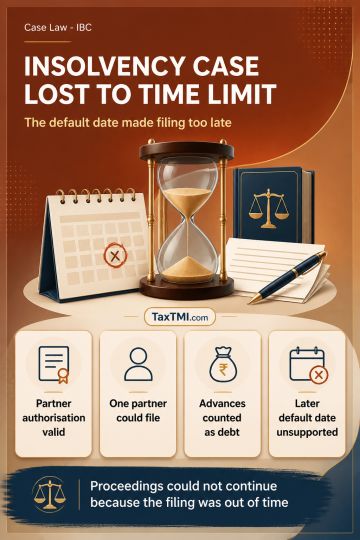
Note: It is a system-generated summary and is for quick reference only.
 TaxTMI
 of 4805











 Join Channel


 TaxTMI