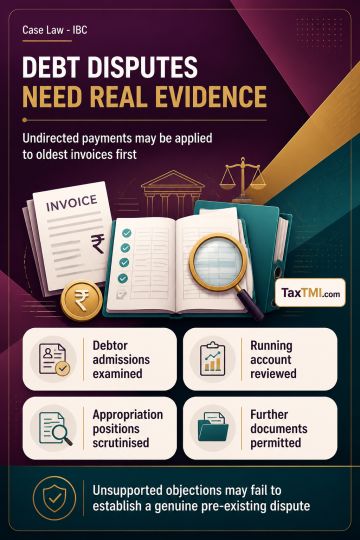
Pre-existing operational debt disputes require genuine evidence, while undirected running-account payments may be appropriated on a first-in-first-out...
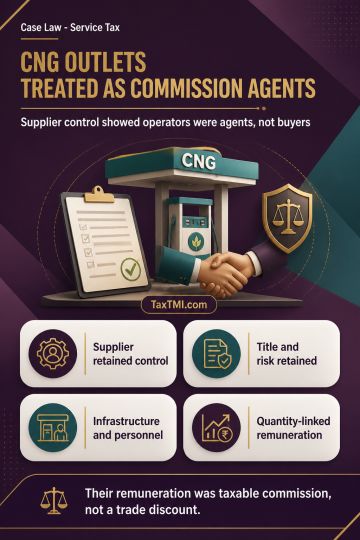
Agency in CNG distribution makes outlet operators commission agents, rendering taxable Business Auxiliary Service rather than purchasing goods for res...
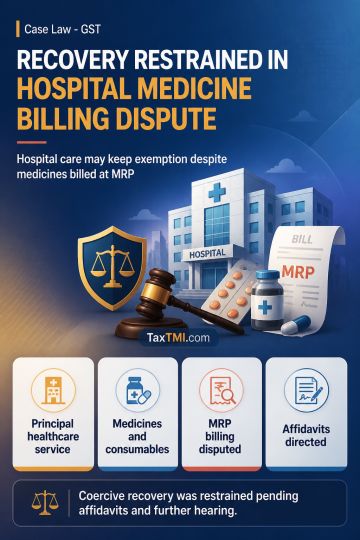
Composite inpatient healthcare supply may retain exemption despite MRP medicine billing, while separate taxable sale characterisation remains disputed...
A steamer agent's penalty under Section 112(a) of the Customs Act was set aside because it filed the IGM on the Master's declarations, promptly sought amendment on confirmation of the retained onboard cargo, and there was no evidence of conscious involvement, connivance, aiding, abetting, or deliberate suppression. The Tribunal held that a mere procedural lapse, inadvertent omission, or communication failure is insufficient for penal liability. It also ruled that retained onboard cargo which remained continuously on the vessel, was never unloaded in India, and was discharged abroad did not acquire the character of imported goods and therefore was not liable to confiscation under Section 111.
A steamer agent's penalty under Section 112(a) of the Customs Act was set aside because it filed the IGM on the Master's declarations, promptly sought amendment on confirmation of the retained onboard cargo, and there was no evidence of conscious involvement, connivance, aiding, abetting, or deliberate suppression. The Tribunal held that a mere procedural lapse, inadvertent omission, or communication failure is insufficient for penal liability. It also ruled that retained onboard cargo which remained continuously on the vessel, was never unloaded in India, and was discharged abroad did not acquire the character of imported goods and therefore was not liable to confiscation under Section 111.
Note: It is a system-generated summary and is for quick reference only.
 TaxTMI
 of 4805






 Join Channel


 TaxTMI
