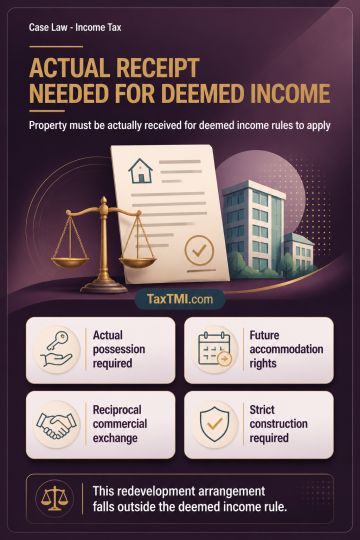
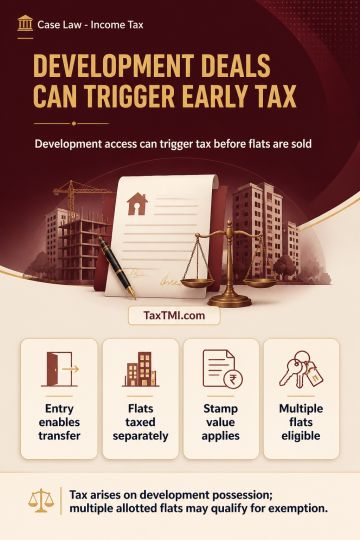
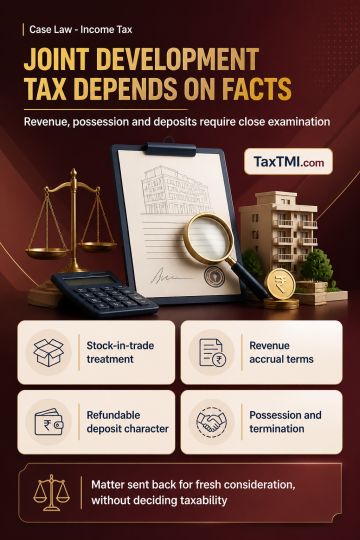
Receipt of immovable property requires actual possession or enjoyment; redevelopment allotments exchanged for tenancy rights fall outside deemed incom...
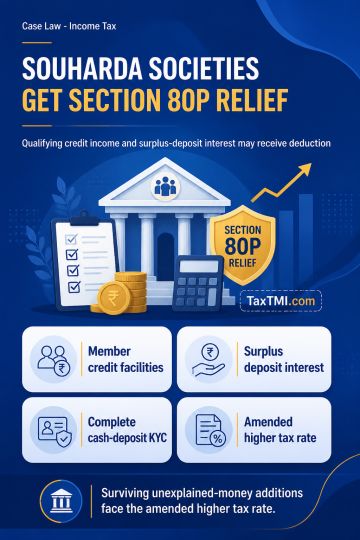
Section 80P deduction covers Souharda credit societies, including qualifying surplus-deposit interest, subject to member KYC verification for cash dep...
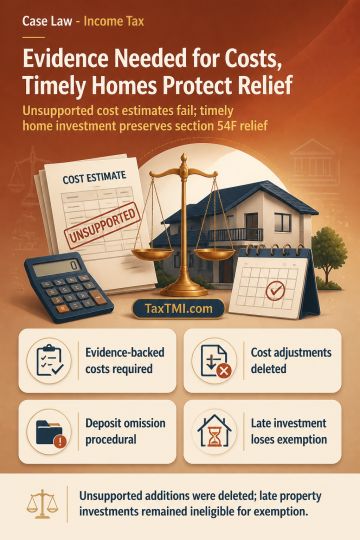
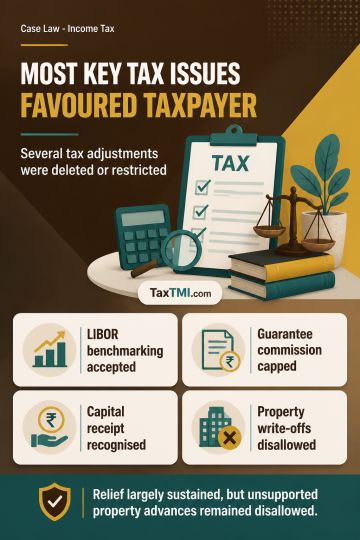
Transfer-pricing benchmarking and capital-receipt principles sustained taxpayer relief, while unsupported property-advance write-offs remained disallo...
Limitation for an appeal under section 61 of the Insolvency and Bankruptcy Code runs from the date of pronouncement of the impugned order, not from the date of upload or the appellant's date of knowledge. The tribunal applied the statutory time-bound appellate scheme and held that the order pronounced on 08.12.2025 triggered limitation from that date. It also held that an alleged technical glitch in the e-filing portal could not justify condonation once the appeal was filed beyond the maximum condonable period of thirty days plus fifteen days, because the tribunal lacked jurisdiction to entertain a delayed appeal on equitable or technical grounds. The condonation application and appeal were rejected as time-barred.
Limitation for an appeal under section 61 of the Insolvency and Bankruptcy Code runs from the date of pronouncement of the impugned order, not from the date of upload or the appellant's date of knowledge. The tribunal applied the statutory time-bound appellate scheme and held that the order pronounced on 08.12.2025 triggered limitation from that date. It also held that an alleged technical glitch in the e-filing portal could not justify condonation once the appeal was filed beyond the maximum condonable period of thirty days plus fifteen days, because the tribunal lacked jurisdiction to entertain a delayed appeal on equitable or technical grounds. The condonation application and appeal were rejected as time-barred.
Note: It is a system-generated summary and is for quick reference only.
 TaxTMI
 of 4805




 Join Channel


 TaxTMI
