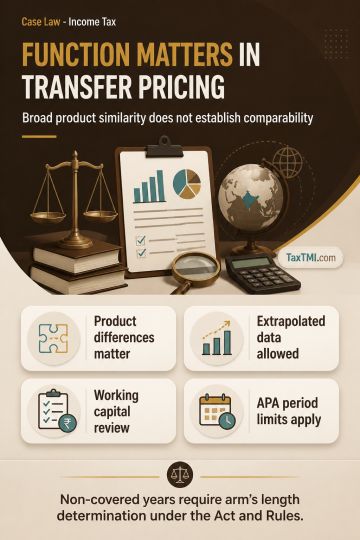
Transfer pricing comparability requires functional alignment and permits working capital adjustment, while APA margins cannot govern non-covered years...
Treaty benefit, goodwill depreciation and hedging costs: export commission disallowed, while key business deductions and depreciation claims succeeded...
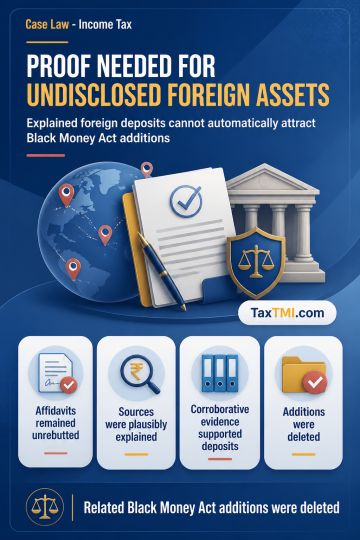
Undisclosed foreign asset classification requires an unexplained source; unrebutted affidavits and corroborative evidence defeated the Black Money Act...
Limitation for an appeal under section 61 of the Insolvency and Bankruptcy Code runs from the date of pronouncement of the impugned order, not from the date of upload or the appellant's date of knowledge. The tribunal applied the statutory time-bound appellate scheme and held that the order pronounced on 08.12.2025 triggered limitation from that date. It also held that an alleged technical glitch in the e-filing portal could not justify condonation once the appeal was filed beyond the maximum condonable period of thirty days plus fifteen days, because the tribunal lacked jurisdiction to entertain a delayed appeal on equitable or technical grounds. The condonation application and appeal were rejected as time-barred.
Limitation for an appeal under section 61 of the Insolvency and Bankruptcy Code runs from the date of pronouncement of the impugned order, not from the date of upload or the appellant's date of knowledge. The tribunal applied the statutory time-bound appellate scheme and held that the order pronounced on 08.12.2025 triggered limitation from that date. It also held that an alleged technical glitch in the e-filing portal could not justify condonation once the appeal was filed beyond the maximum condonable period of thirty days plus fifteen days, because the tribunal lacked jurisdiction to entertain a delayed appeal on equitable or technical grounds. The condonation application and appeal were rejected as time-barred.
Note: It is a system-generated summary and is for quick reference only.
 TaxTMI
 of 4805






 Join Channel


 TaxTMI
