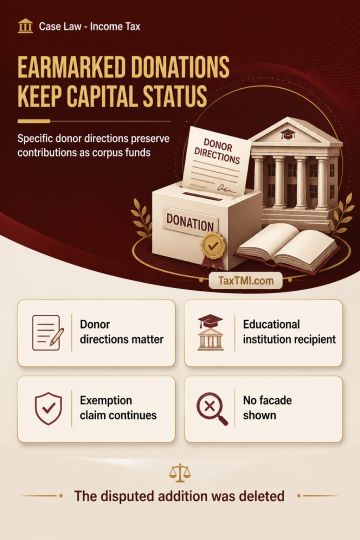
Donor-directed corpus contributions retain capital character despite exemption claims under section 10(23C)(vi), preventing their treatment as taxable...
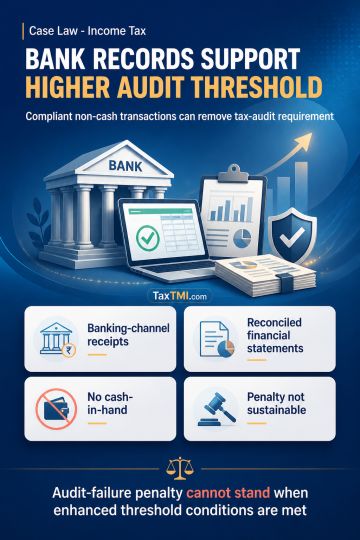
Enhanced tax-audit threshold applies where banking records establish compliant non-cash receipts and payments, eliminating penalty exposure for audit ...
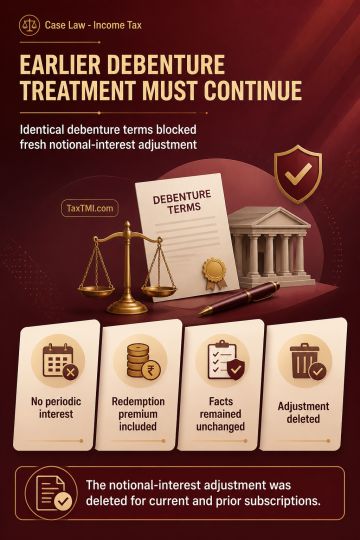
Transfer pricing consistency protects identical non-interest-bearing debenture terms from a later notional-interest adjustment without valid statutory...
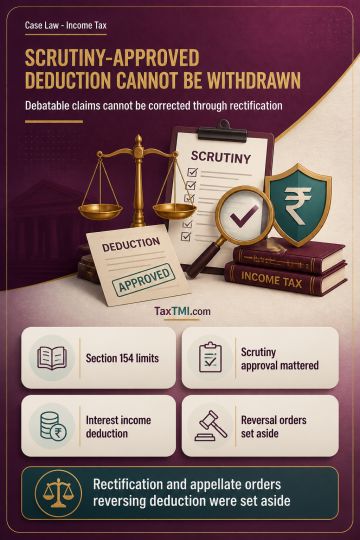
Rectification of debatable deduction claims cannot reverse scrutiny-approved co-operative society interest income deductions as apparent record errors...
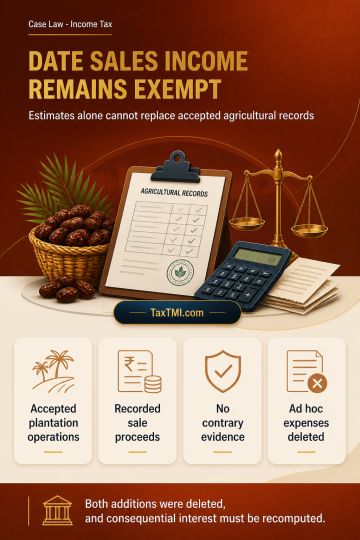
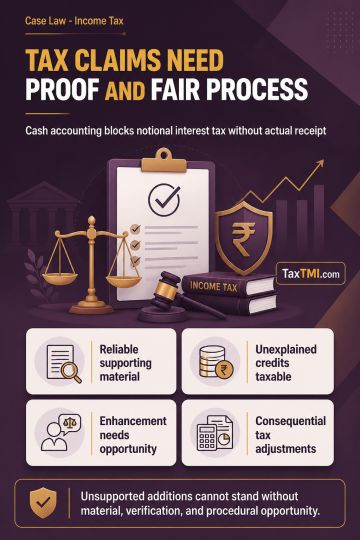
Cash-method accounting bars presumptive interest taxation, while unsupported securities and share-trading additions require reliable material and veri...
Concessional electricity charges under Clause 16(a) of the 2019 Industrial Policy were held to apply only to new industrial enterprises, while existing enterprises undertaking substantial expansion fell under Clause 16(b) and could claim only the rebate linked to incremental consumption. The 29.04.2022 amendment substituting "eligible" with "new" in Clause 16(a) and aligning Clause 16(b) with substantial expansion was treated as clarificatory and retrospective, except for the newly introduced three-year duration under Clause 16(b), which operated prospectively. The respondent therefore had no entitlement to Clause 16(a) concession, and promissory estoppel could not create a benefit beyond the Policy's true scope.
Concessional electricity charges under Clause 16(a) of the 2019 Industrial Policy were held to apply only to new industrial enterprises, while existing enterprises undertaking substantial expansion fell under Clause 16(b) and could claim only the rebate linked to incremental consumption. The 29.04.2022 amendment substituting "eligible" with "new" in Clause 16(a) and aligning Clause 16(b) with substantial expansion was treated as clarificatory and retrospective, except for the newly introduced three-year duration under Clause 16(b), which operated prospectively. The respondent therefore had no entitlement to Clause 16(a) concession, and promissory estoppel could not create a benefit beyond the Policy's true scope.
Note: It is a system-generated summary and is for quick reference only.
 TaxTMI
  TaxTMI
 of 4813



 Join Channel