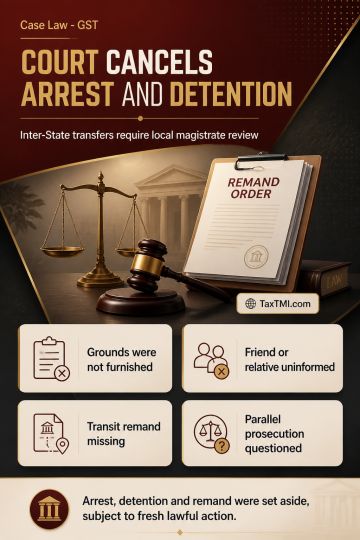
Arrest safeguards and transit remand requirements invalidated detention following inter-State transfer without communicated grounds or magistrate auth...
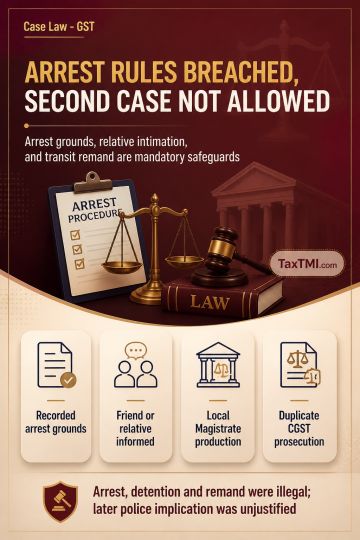
Arrest safeguards require disclosed grounds, relative intimation and transit remand, while duplicate prosecution under the CGST framework is unsustain...
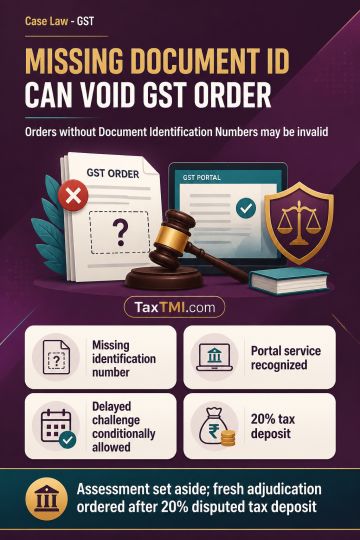
Document Identification Number defects can invalidate GST assessments, with delayed challenges entertained conditionally where patent irregularities e...
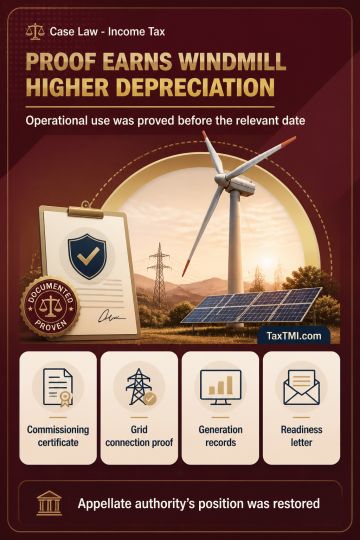
Windmill commissioning evidence supported higher depreciation where grid connection and electricity generation proved operational use before the relev...
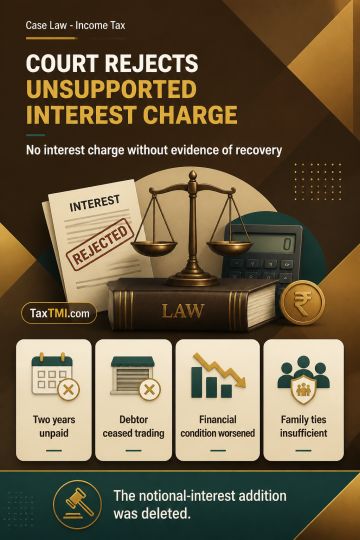
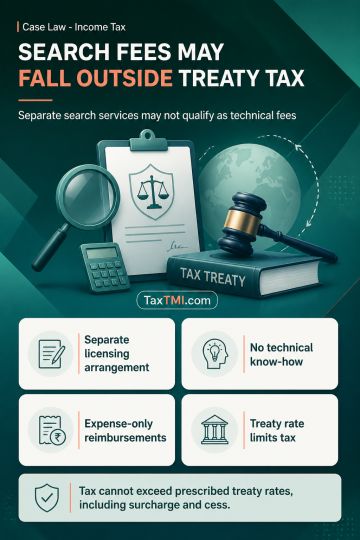
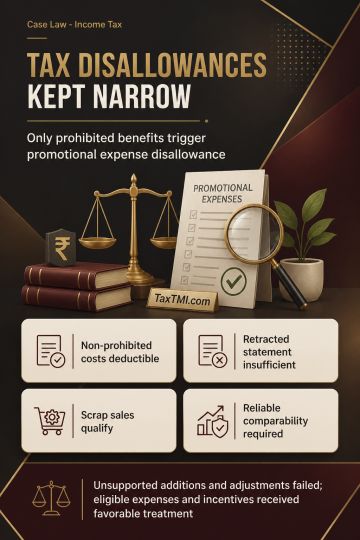
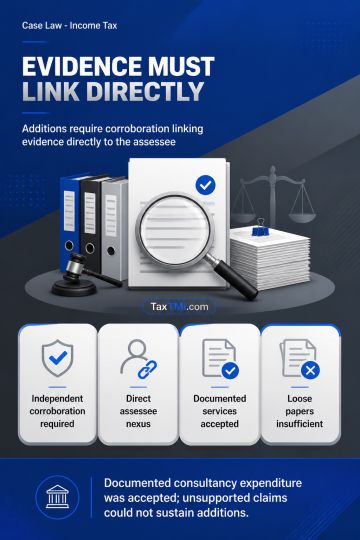
Pharmaceutical promotion and transfer-pricing comparability principles limited disallowances, while uncorroborated search allegations and unsupported ...
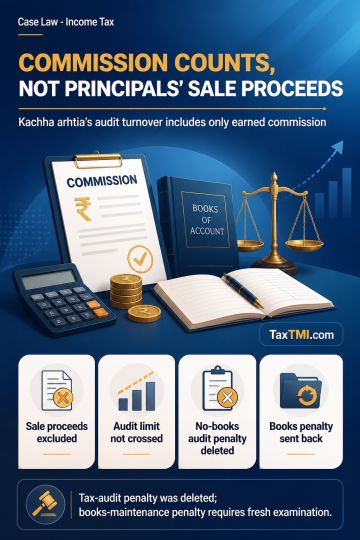
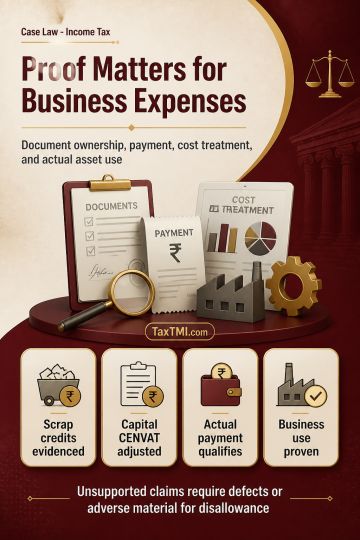
Business expenditure substantiation supports scrap credits, statutory payments and expense claims, while depreciation requires proof of actual busines...
Under GST, a transit State may intercept, inspect and physically verify goods in movement, but that regulatory power does not extend to detention or penalty where the transaction neither originates in nor terminates in that State and no tax is payable there. Cross-empowerment under the State and Central Acts, read with the IGST framework, operates only between authorities dealing with the same State and taxable transaction; it does not authorise one State's GST officers to penalise an inter-State movement passing through its territory. A valid e-way bill and tax invoice, without any allegation of bogus documents or local supply, require only reporting of any documentation defect to the competent authorities in the relevant originating or destination State.
Under GST, a transit State may intercept, inspect and physically verify goods in movement, but that regulatory power does not extend to detention or penalty where the transaction neither originates in nor terminates in that State and no tax is payable there. Cross-empowerment under the State and Central Acts, read with the IGST framework, operates only between authorities dealing with the same State and taxable transaction; it does not authorise one State's GST officers to penalise an inter-State movement passing through its territory. A valid e-way bill and tax invoice, without any allegation of bogus documents or local supply, require only reporting of any documentation defect to the competent authorities in the relevant originating or destination State.
Note: It is a system-generated summary and is for quick reference only.
 TaxTMI
  TaxTMI
 of 4809



 Join Channel


