Transitioned CENVAT credit may validly satisfy mandatory pre-deposit requirements for legacy service tax appeals through Electronic Credit Ledger debi...
Building-plan sanction charges require statutory authority; unauthorised fees and GST were quashed, while labour cess must follow prescribed collectio...
Pure-agent exclusion fails where hotel booking facilitators receive third-party services themselves, making entire customer consideration taxable as r...
Transfer pricing requires evidence for AMP transactions, functionally reliable comparables, and appropriate aggregation or Berry Ratio benchmarking me...
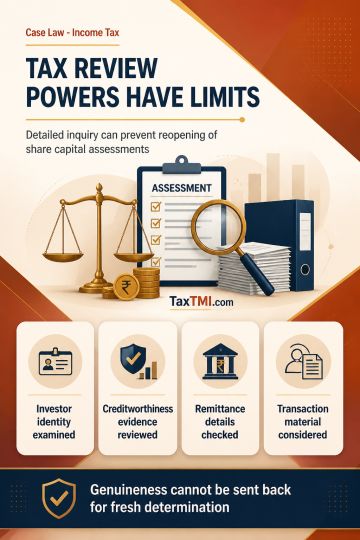
Revisionary jurisdiction cannot reopen share capital assessments where adequate inquiry supports a permissible view and no independent error is establ...
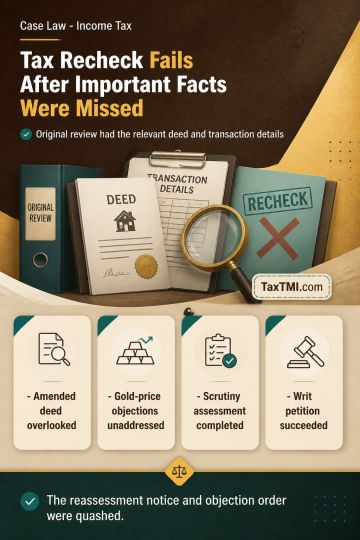
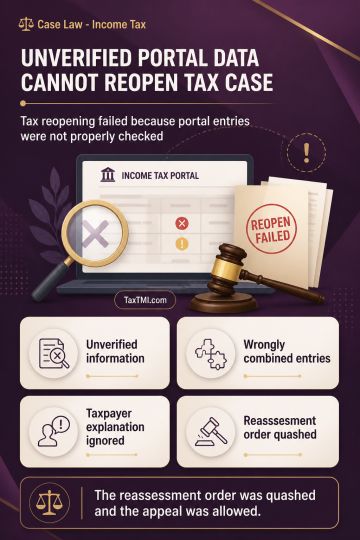
Reassessment jurisdiction fails where unverified portal information is aggregated without examining the taxpayer's explanation or relevance of entries...
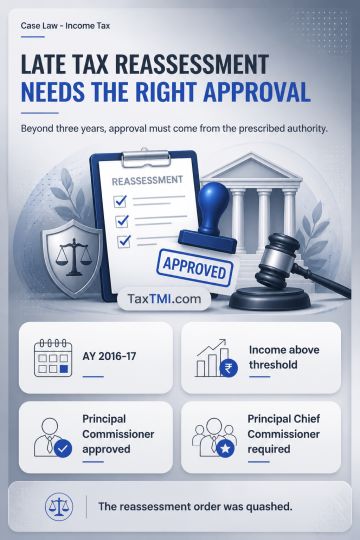
Statutory sanction for delayed reassessment requires approval from the prescribed authority; approval by an inferior authority invalidates jurisdictio...
Parallel adjudicatory proceedings on the same GST subject matter are barred once one authority has first initiated action. Relying on the Supreme Court's clarification in Armour Security, the High Court stated that the relevant test is whether the liability, deficiency or obligation arises from the same contravention and overlaps in substance. It directed the petitioner to file responses before the Central and State authorities, and required those authorities to coordinate and decide which of them would proceed further. The result is that only one competent authority may continue with adjudication for the same period and subject matter, avoiding duplication by parallel proceedings.
Parallel adjudicatory proceedings on the same GST subject matter are barred once one authority has first initiated action. Relying on the Supreme Court's clarification in Armour Security, the High Court stated that the relevant test is whether the liability, deficiency or obligation arises from the same contravention and overlaps in substance. It directed the petitioner to file responses before the Central and State authorities, and required those authorities to coordinate and decide which of them would proceed further. The result is that only one competent authority may continue with adjudication for the same period and subject matter, avoiding duplication by parallel proceedings.
Note: It is a system-generated summary and is for quick reference only.
 TaxTMI
  TaxTMI
 of 4811













 Join Channel


