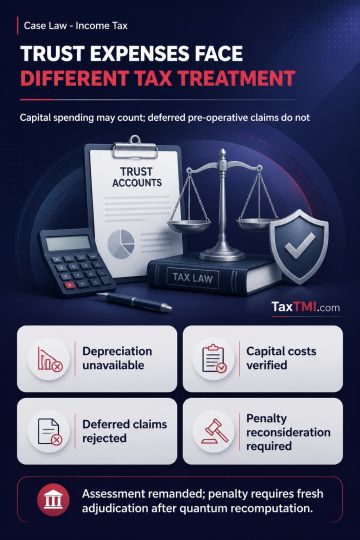
Charitable trust income application permits verified capital expenditure but rejects deferred pre-operative claims and requires reconsideration of con...
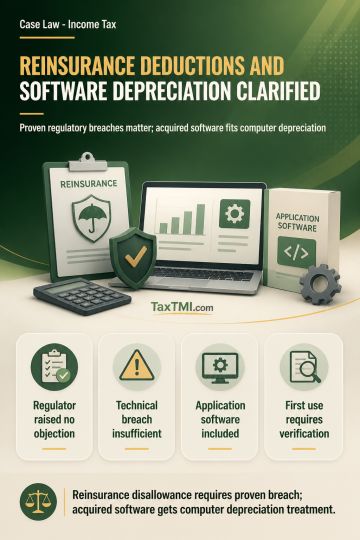
Reinsurance premium deductions require established regulatory breaches, while independently acquired software qualifies within the computer depreciati...
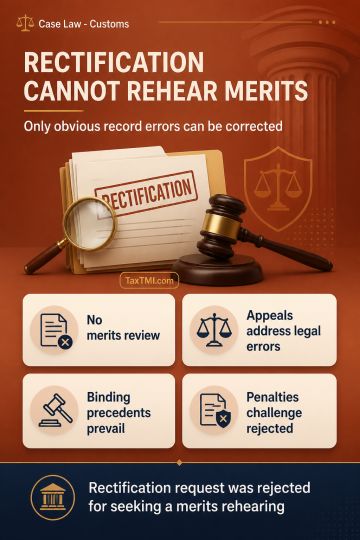
Rectification of mistake remains limited to self-evident record errors, preventing merits review through miscellaneous applications and preserving fin...
Tender creditworthiness conditions may extend to de facto Promoter Directors, with post-participation challenges generally barred absent arbitrariness...
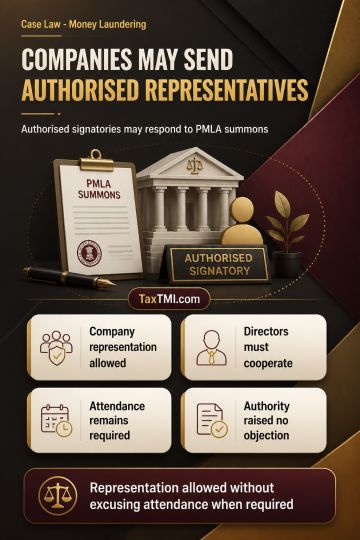
Corporate representation in PMLA summons proceedings permitted through an authorised signatory, subject to directors' continuing cooperation and atten...
Revision under section 263 was upheld because the reassessment order suffered from a complete lack of inquiry on the purchase-side taxability of the difference between immovable property consideration and stamp duty value. The Tribunal noted that the Assessing Officer examined the sale-side valuation issue but failed to consider the applicable provision for the purchase transaction, instead referring to section 56(2)(x), which was not relevant to the assessment year. This non-application of mind on a material issue made the order erroneous and prejudicial to the interests of the Revenue. As the Principal Commissioner only set aside the matter for fresh verification after granting the assessee an opportunity, the revisionary jurisdiction was valid.
Revision under section 263 was upheld because the reassessment order suffered from a complete lack of inquiry on the purchase-side taxability of the difference between immovable property consideration and stamp duty value. The Tribunal noted that the Assessing Officer examined the sale-side valuation issue but failed to consider the applicable provision for the purchase transaction, instead referring to section 56(2)(x), which was not relevant to the assessment year. This non-application of mind on a material issue made the order erroneous and prejudicial to the interests of the Revenue. As the Principal Commissioner only set aside the matter for fresh verification after granting the assessee an opportunity, the revisionary jurisdiction was valid.
Note: It is a system-generated summary and is for quick reference only.
 TaxTMI
 of 4805









 Join Channel


 TaxTMI
