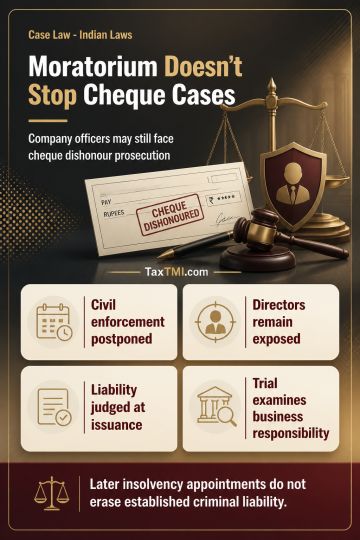
Insolvency moratorium does not shield company officers from cheque dishonour prosecution for liability arising before corporate insolvency proceedings...
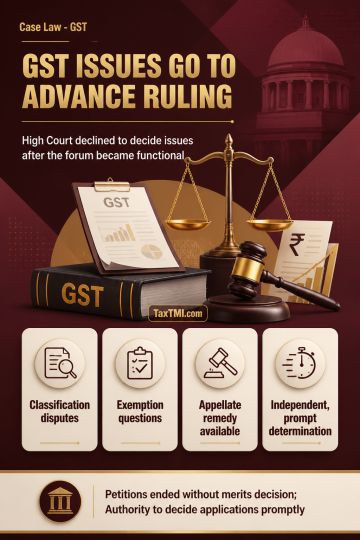
Advance-ruling mechanism governs pending GST classification, exemption and taxability disputes, limiting writ review once the specialised forum functi...
Revision under section 263 was upheld because the reassessment order suffered from a complete lack of inquiry on the purchase-side taxability of the difference between immovable property consideration and stamp duty value. The Tribunal noted that the Assessing Officer examined the sale-side valuation issue but failed to consider the applicable provision for the purchase transaction, instead referring to section 56(2)(x), which was not relevant to the assessment year. This non-application of mind on a material issue made the order erroneous and prejudicial to the interests of the Revenue. As the Principal Commissioner only set aside the matter for fresh verification after granting the assessee an opportunity, the revisionary jurisdiction was valid.
Revision under section 263 was upheld because the reassessment order suffered from a complete lack of inquiry on the purchase-side taxability of the difference between immovable property consideration and stamp duty value. The Tribunal noted that the Assessing Officer examined the sale-side valuation issue but failed to consider the applicable provision for the purchase transaction, instead referring to section 56(2)(x), which was not relevant to the assessment year. This non-application of mind on a material issue made the order erroneous and prejudicial to the interests of the Revenue. As the Principal Commissioner only set aside the matter for fresh verification after granting the assessee an opportunity, the revisionary jurisdiction was valid.
Note: It is a system-generated summary and is for quick reference only.
 TaxTMI
 of 4805






 Join Channel


 TaxTMI
