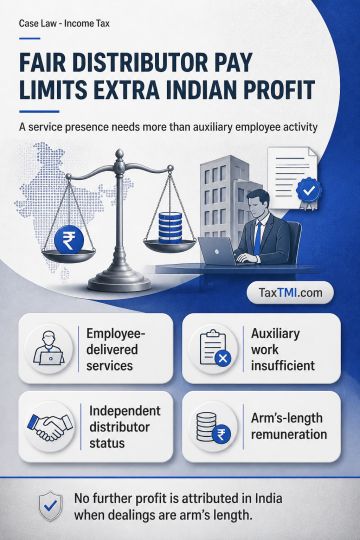
Service permanent establishment requires non-auxiliary services, while arm's-length distributor remuneration precludes further profit attribution in I...
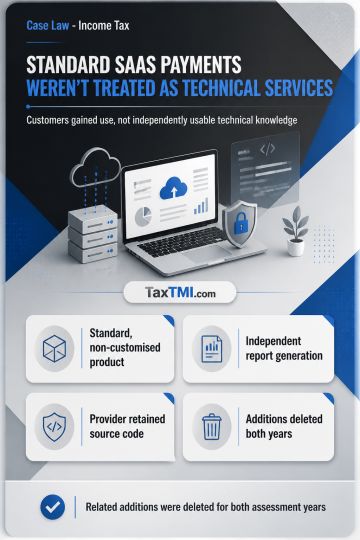
Make-available condition excludes standard SaaS subscription receipts where customers receive no independently usable technical knowledge after subscr...
Anonymous donation classification fails where charitable trusts maintain undisputed donor identity records and evidence corpus contributions' intended...
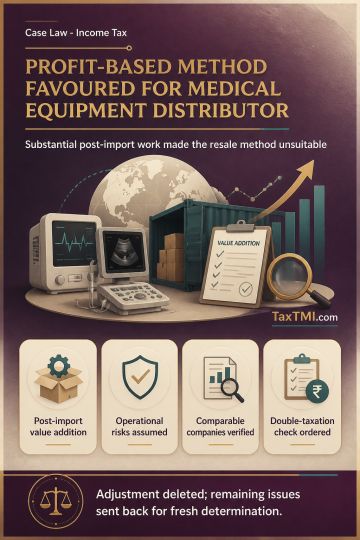
Transfer pricing method selection favours TNMM where medical-equipment distribution involves substantial post-import value addition and operational ri...
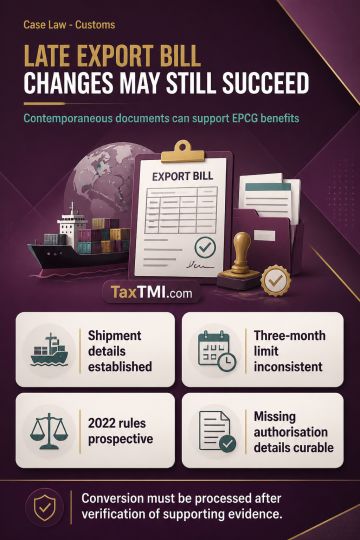
Post-export shipping bill conversion remains available where contemporaneous evidence supports EPCG benefits despite curable procedural omissions and ...
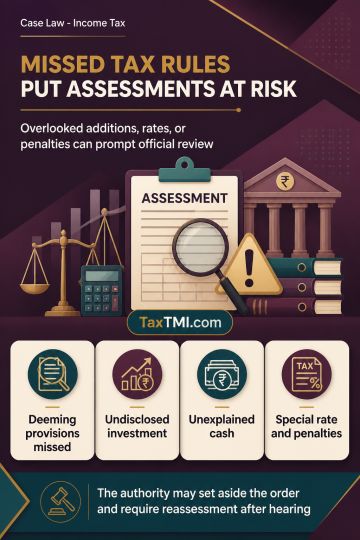
Revision under section 263 was upheld because the reassessment order suffered from a complete lack of inquiry on the purchase-side taxability of the difference between immovable property consideration and stamp duty value. The Tribunal noted that the Assessing Officer examined the sale-side valuation issue but failed to consider the applicable provision for the purchase transaction, instead referring to section 56(2)(x), which was not relevant to the assessment year. This non-application of mind on a material issue made the order erroneous and prejudicial to the interests of the Revenue. As the Principal Commissioner only set aside the matter for fresh verification after granting the assessee an opportunity, the revisionary jurisdiction was valid.
Revision under section 263 was upheld because the reassessment order suffered from a complete lack of inquiry on the purchase-side taxability of the difference between immovable property consideration and stamp duty value. The Tribunal noted that the Assessing Officer examined the sale-side valuation issue but failed to consider the applicable provision for the purchase transaction, instead referring to section 56(2)(x), which was not relevant to the assessment year. This non-application of mind on a material issue made the order erroneous and prejudicial to the interests of the Revenue. As the Principal Commissioner only set aside the matter for fresh verification after granting the assessee an opportunity, the revisionary jurisdiction was valid.
Note: It is a system-generated summary and is for quick reference only.
 TaxTMI
  TaxTMI
 of 4811











 Join Channel