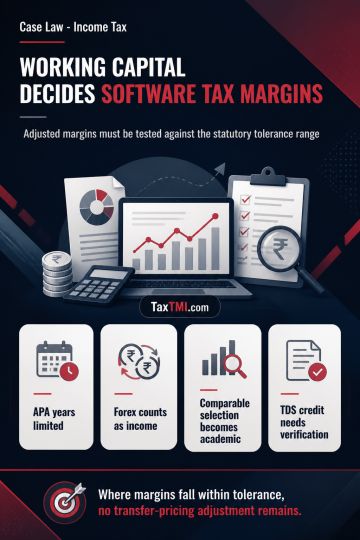
Working-capital adjustment determines whether software-services transfer-pricing margins fall within the statutory tolerance range, eliminating any ad...
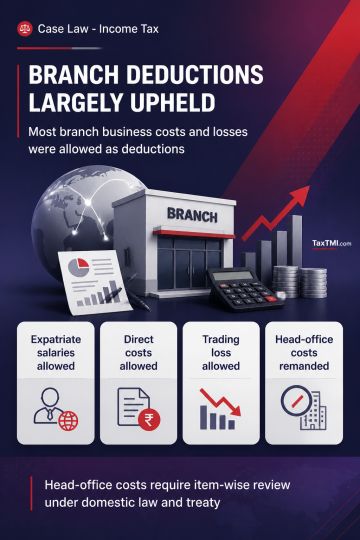
Permanent establishment deductions upheld for expatriate salaries, direct costs and trading losses, while head-office costs require fresh classificati...
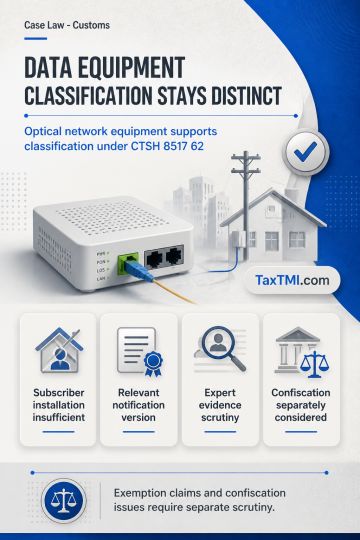
Data transmission equipment classification under CTSH 8517 62 remains distinct from residual classification, with exemption evidence requiring scrutin...
The Tribunal held that a 1991-92 letter of intent did not create enforceable rights in the immovable property because the area and identity of the premises were not finalised and the allotment crystallised only later. Enforceable rights arose only when the share and occupancy documents were issued and the lease deed was executed and registered in financial year 2010-11. The holding period was therefore reckoned from 2010-11, and since the property was sold on 02.04.2012, it was held for less than 36 months. The asset was correctly treated as a short-term capital asset, and the gain was taxable as short-term capital gain; contrary authorities were distinguished on the basis that they involved final or binding allotments.
The Tribunal held that a 1991-92 letter of intent did not create enforceable rights in the immovable property because the area and identity of the premises were not finalised and the allotment crystallised only later. Enforceable rights arose only when the share and occupancy documents were issued and the lease deed was executed and registered in financial year 2010-11. The holding period was therefore reckoned from 2010-11, and since the property was sold on 02.04.2012, it was held for less than 36 months. The asset was correctly treated as a short-term capital asset, and the gain was taxable as short-term capital gain; contrary authorities were distinguished on the basis that they involved final or binding allotments.
Note: It is a system-generated summary and is for quick reference only.
 TaxTMI
 of 4805





 Join Channel


 TaxTMI