Dispute Resolution Panel objections must reach both prescribed forums; otherwise assessment may proceed and statutory appeal remains the proper remedy...
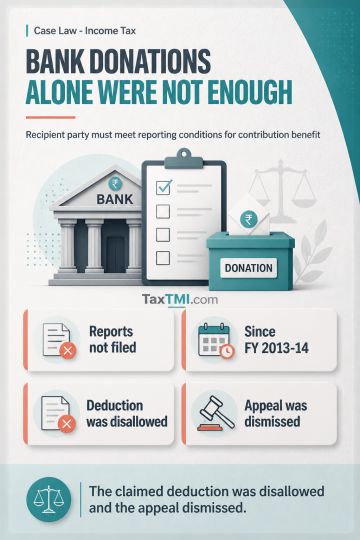
Political contribution deductions require recipient party compliance with contribution-reporting conditions; banking-channel donations alone do not qu...
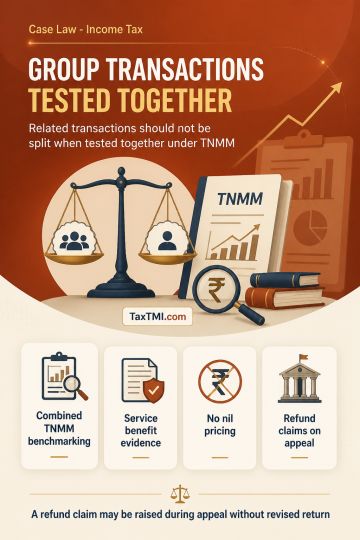
Aggregation under TNMM prevents selective testing of intra-group services without comparable uncontrolled transactions, while appellate additional cla...
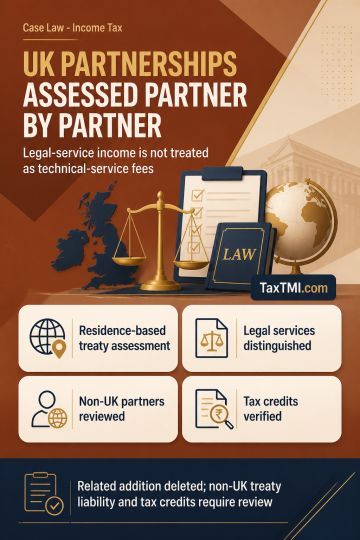
Protective assessment cannot duplicate identical receipts under competing characterisations; remote services did not establish a taxable permanent est...
Current account treatment of overseas tournament services removed most FEMA findings, but excess EEFC remittance and delayed repatriation remained bre...
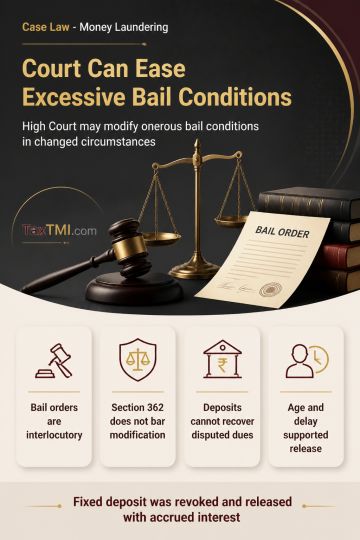
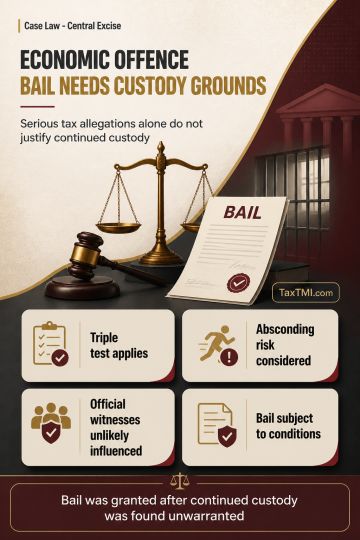
Modification of bail conditions remains available through inherent jurisdiction where onerous deposits undermine justice and cannot recover disputed d...
Liability to pay cost recovery charges for customs officers deployed at a Container Freight Station was upheld because the regulatory framework, consistent administrative practice and the petitioner's own prior remittances showed that operators were liable unless expressly exempted. The Court applied contemporanea expositio and substantial compliance, finding that actual customs deployment and supervision satisfied the statutory purpose, and that later internal cadre regularisation did not extinguish the obligation. The challenge was also barred by res judicata and estoppel by conduct, since the liability issue had already been litigated and the petitioner had accepted the levy over time. The remaining quantification dispute was treated as factual and unsuitable for writ jurisdiction, and the cargo movement restriction was sustained as a lawful response to persistent non-payment.
Liability to pay cost recovery charges for customs officers deployed at a Container Freight Station was upheld because the regulatory framework, consistent administrative practice and the petitioner's own prior remittances showed that operators were liable unless expressly exempted. The Court applied contemporanea expositio and substantial compliance, finding that actual customs deployment and supervision satisfied the statutory purpose, and that later internal cadre regularisation did not extinguish the obligation. The challenge was also barred by res judicata and estoppel by conduct, since the liability issue had already been litigated and the petitioner had accepted the levy over time. The remaining quantification dispute was treated as factual and unsuitable for writ jurisdiction, and the cargo movement restriction was sustained as a lawful response to persistent non-payment.
Note: It is a system-generated summary and is for quick reference only.
 TaxTMI
 of 4805









 Join Channel


 TaxTMI
