Nature-dependent electricity contracts receive new Ind AS accounting, hedge designation, transition and financial-statement disclosure requirements fr...
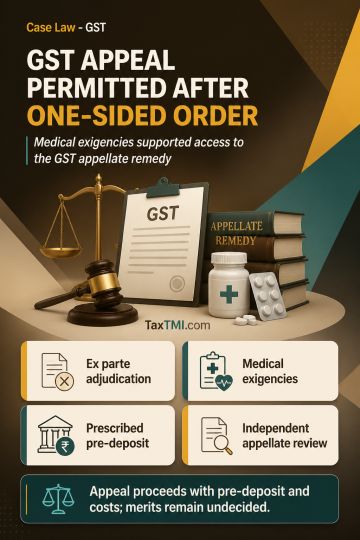
Alternative GST remedy permitted protective writ intervention for ex parte adjudication, preserving independent appellate review of input tax credit d...
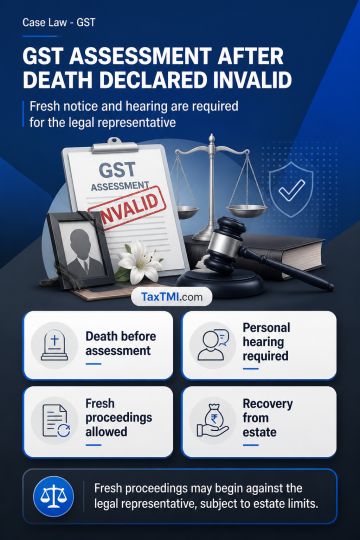
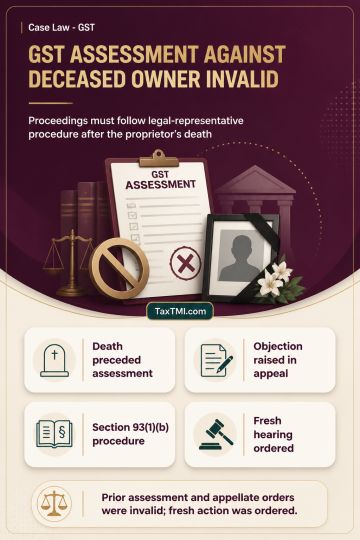
Assessment against deceased sole proprietor requires proceedings against the legal representative, rendering prior assessment and appellate orders inv...
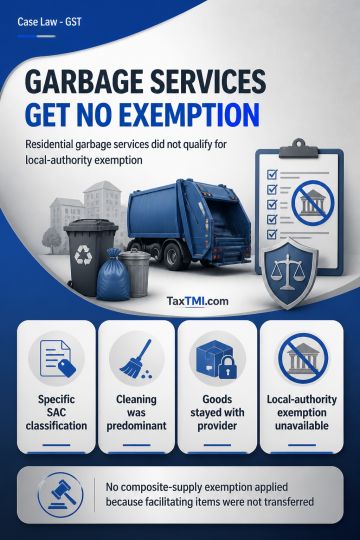
Residential waste collection classification under SAC 999423 defeats composite-supply exemption where facilitating goods are not transferred to the lo...
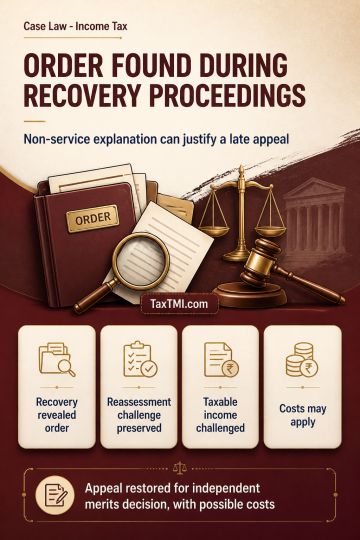
Condonation of delay permits statutory appeal restoration where inadequate service explanation prevented consideration of reassessment and taxable-inc...
Liability to pay cost recovery charges for customs officers deployed at a Container Freight Station was upheld because the regulatory framework, consistent administrative practice and the petitioner's own prior remittances showed that operators were liable unless expressly exempted. The Court applied contemporanea expositio and substantial compliance, finding that actual customs deployment and supervision satisfied the statutory purpose, and that later internal cadre regularisation did not extinguish the obligation. The challenge was also barred by res judicata and estoppel by conduct, since the liability issue had already been litigated and the petitioner had accepted the levy over time. The remaining quantification dispute was treated as factual and unsuitable for writ jurisdiction, and the cargo movement restriction was sustained as a lawful response to persistent non-payment.
Liability to pay cost recovery charges for customs officers deployed at a Container Freight Station was upheld because the regulatory framework, consistent administrative practice and the petitioner's own prior remittances showed that operators were liable unless expressly exempted. The Court applied contemporanea expositio and substantial compliance, finding that actual customs deployment and supervision satisfied the statutory purpose, and that later internal cadre regularisation did not extinguish the obligation. The challenge was also barred by res judicata and estoppel by conduct, since the liability issue had already been litigated and the petitioner had accepted the levy over time. The remaining quantification dispute was treated as factual and unsuitable for writ jurisdiction, and the cargo movement restriction was sustained as a lawful response to persistent non-payment.
Note: It is a system-generated summary and is for quick reference only.
 TaxTMI
  TaxTMI
 of 4809









 Join Channel


