Transfer pricing requires evidence for AMP transactions, functionally reliable comparables, and appropriate aggregation or Berry Ratio benchmarking me...
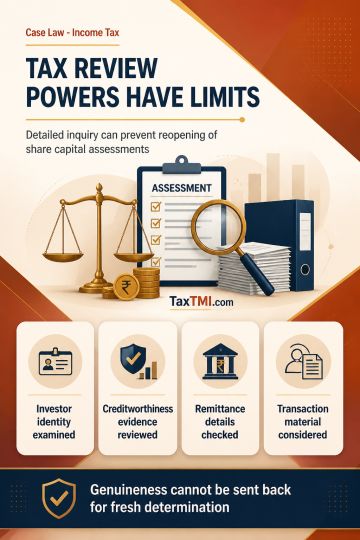
Revisionary jurisdiction cannot reopen share capital assessments where adequate inquiry supports a permissible view and no independent error is establ...
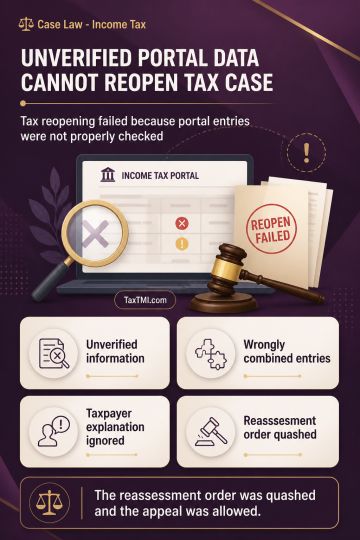
Reassessment jurisdiction fails where unverified portal information is aggregated without examining the taxpayer's explanation or relevance of entries...
Statutory sanction for delayed reassessment requires approval from the prescribed authority; approval by an inferior authority invalidates jurisdictio...
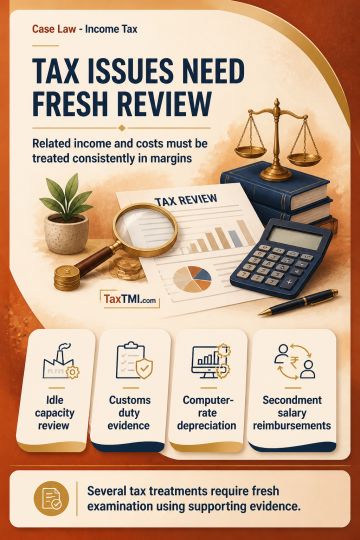
Transfer pricing margin adjustments require matching treatment of non-operating income and related costs, with comparability issues reconsidered on ev...
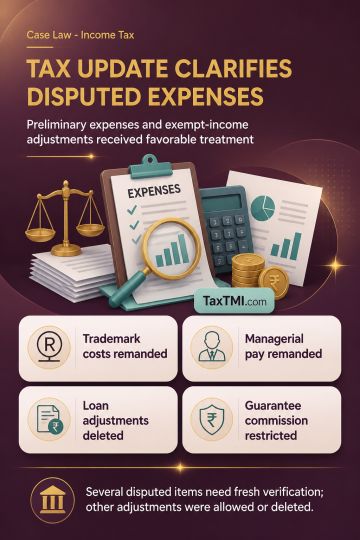
Preliminary-expense amortisation and MAT exempt-income adjustments prevailed, while trademark costs and managerial remuneration require fresh verifica...
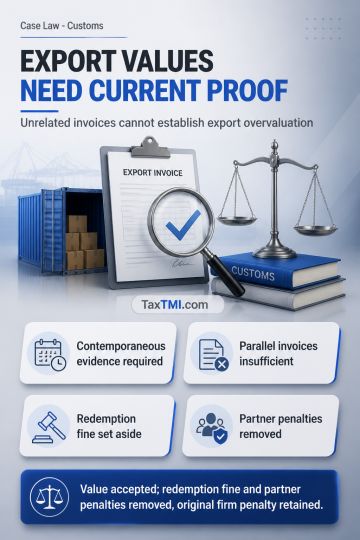
Export valuation requires contemporaneous evidence; unrelated invoices cannot prove overvaluation, and dual penalties on firm and partner are impermis...
ITAT remanded the addition for alleged bogus purchases because the authorities had not first verified whether the disputed purchases were actually debited to the trading account or claimed as deduction; if they were not so claimed, the addition could not survive. The Tribunal also directed verification of the assessee's claim that genuine purchases from four parties existed and that the disputed amount had been reversed in the books. In contrast, a 50% disallowance of labour charges was sustained because the assessee produced only ledger entries and cash vouchers, without reliable evidence of the labourers' identity or other credible proof of expenditure.
ITAT remanded the addition for alleged bogus purchases because the authorities had not first verified whether the disputed purchases were actually debited to the trading account or claimed as deduction; if they were not so claimed, the addition could not survive. The Tribunal also directed verification of the assessee's claim that genuine purchases from four parties existed and that the disputed amount had been reversed in the books. In contrast, a 50% disallowance of labour charges was sustained because the assessee produced only ledger entries and cash vouchers, without reliable evidence of the labourers' identity or other credible proof of expenditure.
Note: It is a system-generated summary and is for quick reference only.
 TaxTMI
  TaxTMI
 of 4809











 Join Channel


