Retention of seized property survives where recorded reasons support proceeds of crime, while stayed investigation periods are excluded from limitatio...
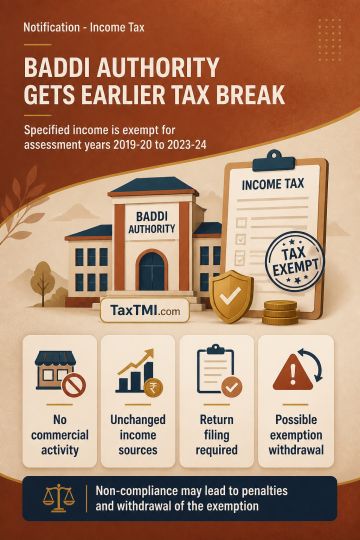
Specified income of Baddi Barotiwala Nalagarh Development Authority receives conditional tax exemption, retrospectively covering its designated assess...
Specified development authority income receives retrospective tax exemption, subject to non-commercial activity, unchanged income sources, and return-...
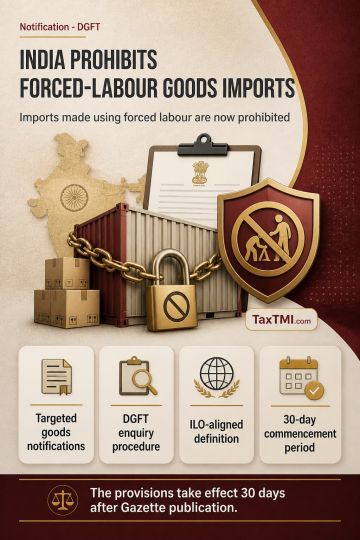
Unified Brand India framework introduces voluntary Trust Mark certification and funding support for export branding, packaging and global promotional ...
Origin Declaration authentication governs preferential tariff claims under India-UK CETA, requiring a validated reference number before import clearan...
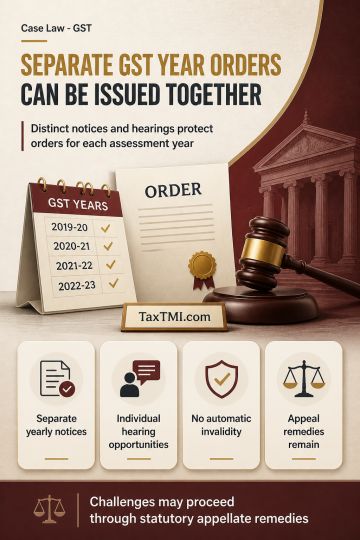
Separate assessment orders for different years remain valid when distinct notices and hearing opportunities prevent prejudice from combined proceeding...
An ex parte ad interim injunction restraining a statutory director-removal process was held maintainable in appeal, but the injunction itself was unsustainable. The court held that director status under Section 2(34) is functional and does not depend on shareholding; once appointed and filed in office, the person remains subject to removal under Section 169. It further held that Section 430 barred civil court interference with internal corporate action, and lack of locus before the tribunal did not revive civil jurisdiction because a waiver route was available. The injunction also failed because the order gave no reasoned satisfaction on prima facie case, balance of convenience, and irreparable injury.
An ex parte ad interim injunction restraining a statutory director-removal process was held maintainable in appeal, but the injunction itself was unsustainable. The court held that director status under Section 2(34) is functional and does not depend on shareholding; once appointed and filed in office, the person remains subject to removal under Section 169. It further held that Section 430 barred civil court interference with internal corporate action, and lack of locus before the tribunal did not revive civil jurisdiction because a waiver route was available. The injunction also failed because the order gave no reasoned satisfaction on prima facie case, balance of convenience, and irreparable injury.
Note: It is a system-generated summary and is for quick reference only.
 TaxTMI
 of 4805












 Join Channel


 TaxTMI
