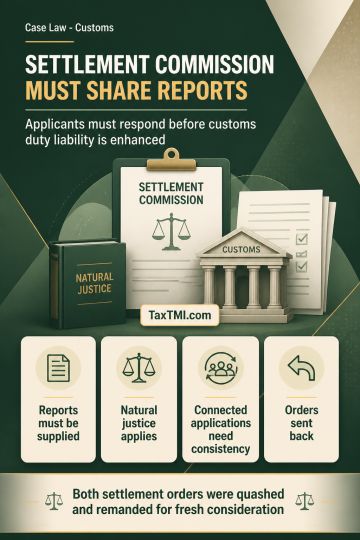
Opportunity to respond to jurisdictional reports is mandatory before customs settlement duty enhancement; connected applications require consistent ad...
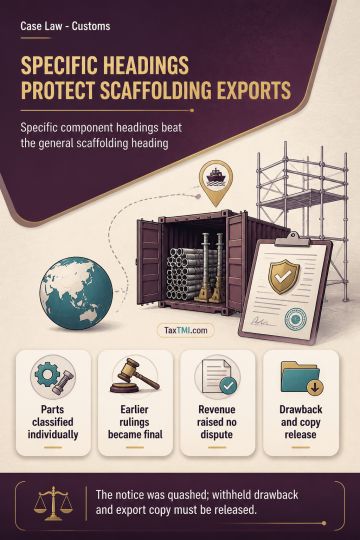
Specific customs headings for scaffolding components prevail over general classification, invalidating misclassification proceedings and enabling with...
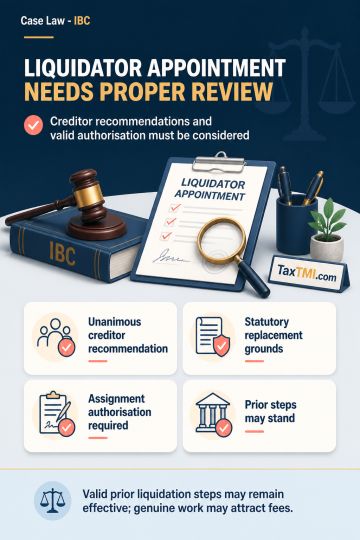
Liquidator appointment under Section 34 requires consideration of creditor recommendations, valid professional authorisation, and preservation of vali...
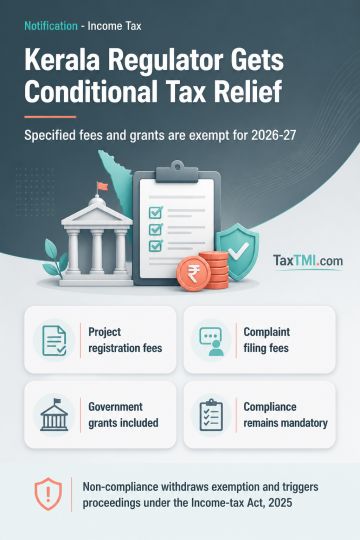
Income-tax exemption for specified regulatory fees and government grants applies subject to non-commercial activity and continuing compliance conditio...
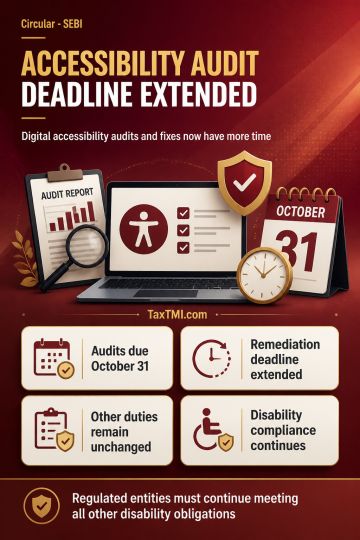
Digital accessibility audit and remediation deadlines extended, while all other disability-compliance obligations for regulated entities remain unchan...
Page of 4811
Press 'Enter' after typing page number.
781 to 800 of 96207 Results
❮
❯
❯❯
0 / 200
Expand Note
Add to Folder
No Folders have been created
+
Are you sure you want to delete "My most important" ?
An ex parte ad interim injunction restraining a statutory director-removal process was held maintainable in appeal, but the injunction itself was unsustainable. The court held that director status under Section 2(34) is functional and does not depend on shareholding; once appointed and filed in office, the person remains subject to removal under Section 169. It further held that Section 430 barred civil court interference with internal corporate action, and lack of locus before the tribunal did not revive civil jurisdiction because a waiver route was available. The injunction also failed because the order gave no reasoned satisfaction on prima facie case, balance of convenience, and irreparable injury.
An ex parte ad interim injunction restraining a statutory director-removal process was held maintainable in appeal, but the injunction itself was unsustainable. The court held that director status under Section 2(34) is functional and does not depend on shareholding; once appointed and filed in office, the person remains subject to removal under Section 169. It further held that Section 430 barred civil court interference with internal corporate action, and lack of locus before the tribunal did not revive civil jurisdiction because a waiver route was available. The injunction also failed because the order gave no reasoned satisfaction on prima facie case, balance of convenience, and irreparable injury.
Note: It is a system-generated summary and is for quick reference only.
 TaxTMI
  TaxTMI
 of 4811






 Join Channel