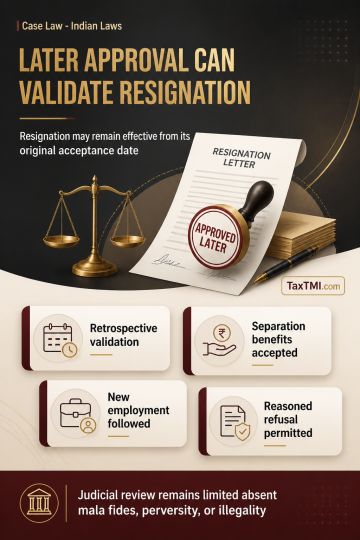
Ratification of resignation acceptance validates separation retrospectively, while withdrawal may be refused through reasoned administrative discretio...
Nature-dependent electricity contracts receive new Ind AS accounting, hedge designation, transition and financial-statement disclosure requirements fr...
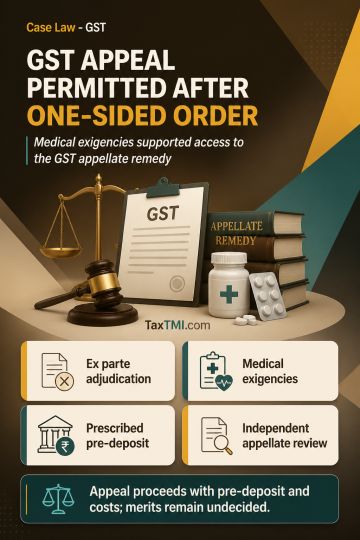
Alternative GST remedy permitted protective writ intervention for ex parte adjudication, preserving independent appellate review of input tax credit d...
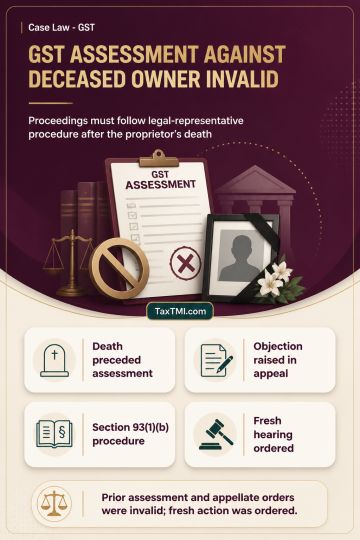
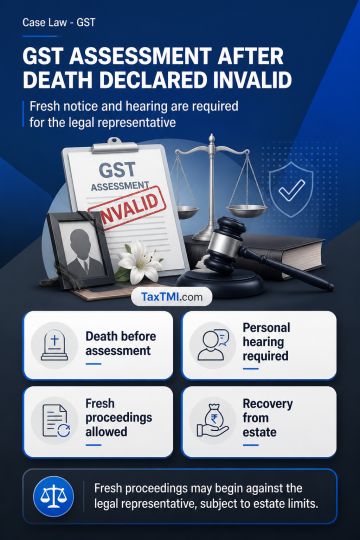
Assessment against deceased sole proprietor requires proceedings against the legal representative, rendering prior assessment and appellate orders inv...
Page of 4814
Press 'Enter' after typing page number.
421 to 440 of 96262 Results
❮
❯
❯❯
0 / 200
Expand Note
Add to Folder
No Folders have been created
+
Are you sure you want to delete "My most important" ?
An ex parte ad interim injunction restraining a statutory director-removal process was held maintainable in appeal, but the injunction itself was unsustainable. The court held that director status under Section 2(34) is functional and does not depend on shareholding; once appointed and filed in office, the person remains subject to removal under Section 169. It further held that Section 430 barred civil court interference with internal corporate action, and lack of locus before the tribunal did not revive civil jurisdiction because a waiver route was available. The injunction also failed because the order gave no reasoned satisfaction on prima facie case, balance of convenience, and irreparable injury.
An ex parte ad interim injunction restraining a statutory director-removal process was held maintainable in appeal, but the injunction itself was unsustainable. The court held that director status under Section 2(34) is functional and does not depend on shareholding; once appointed and filed in office, the person remains subject to removal under Section 169. It further held that Section 430 barred civil court interference with internal corporate action, and lack of locus before the tribunal did not revive civil jurisdiction because a waiver route was available. The injunction also failed because the order gave no reasoned satisfaction on prima facie case, balance of convenience, and irreparable injury.
Note: It is a system-generated summary and is for quick reference only.
 TaxTMI
  TaxTMI
 of 4814







 Join Channel