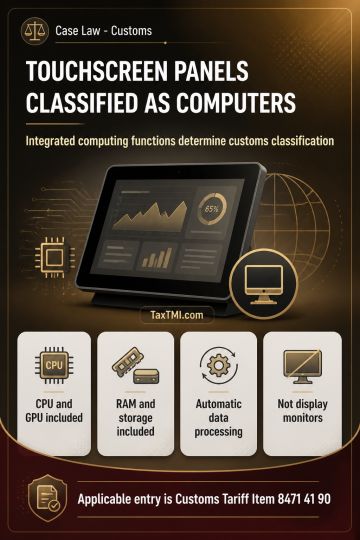
Interactive touchscreen panels with integrated computing functions fall under automatic data-processing machines rather than display monitors for cust...
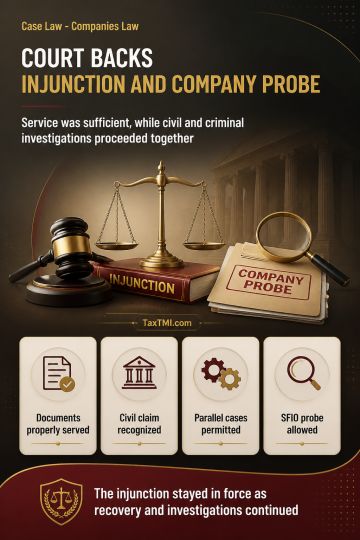
Ex parte injunction service requirements were substantially met, while civil recovery and SFIO investigation into provident fund defalcation continued...
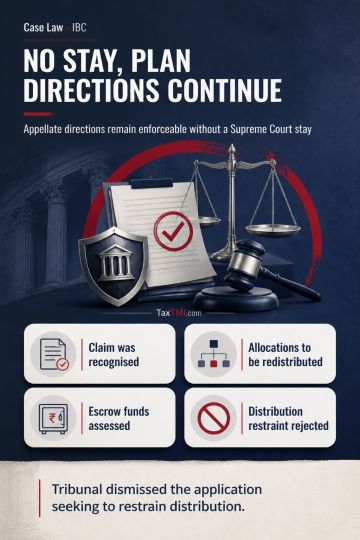
Enforcement of resolution-plan directions continues without a Supreme Court stay, preventing suspension of redistribution and escrowed-fund distributi...
Third-party ownership claims over attached property require Special Court adjudication where purchasers lack registered sale deeds and bona fides rema...
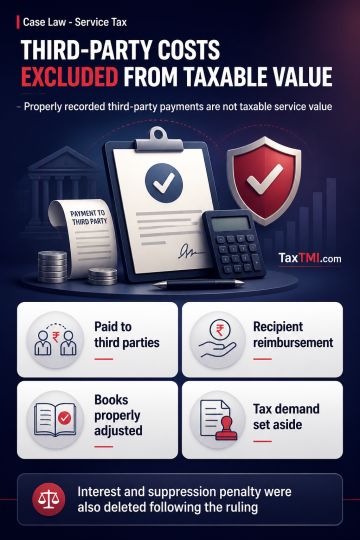
Pure-agent reimbursements in clearing and forwarding services are excluded from taxable value when qualifying third-party payments are properly record...
Customs relief for Strait of Hormuz maritime disruptions remains available, with existing conditions continuing unchanged through the extended validit...
A High Court held that money-laundering under Section 3 of the PMLA is an independent offence, but prosecution still requires prima facie material showing proceeds of crime derived from a scheduled offence and the accused's involvement in a connected process or activity. Where the predicate investigation had already found that the petitioner was not a beneficiary and no independent material showed tainted funds, the PMLA case could not rest on assumption. The Court also held that a co-accused's Section 50 statement could not, by itself, found the prosecution, and that the warehouse-receipt transactions were not shown to be sham. Continuation of proceedings against the petitioner was quashed as abuse of process.
A High Court held that money-laundering under Section 3 of the PMLA is an independent offence, but prosecution still requires prima facie material showing proceeds of crime derived from a scheduled offence and the accused's involvement in a connected process or activity. Where the predicate investigation had already found that the petitioner was not a beneficiary and no independent material showed tainted funds, the PMLA case could not rest on assumption. The Court also held that a co-accused's Section 50 statement could not, by itself, found the prosecution, and that the warehouse-receipt transactions were not shown to be sham. Continuation of proceedings against the petitioner was quashed as abuse of process.
Note: It is a system-generated summary and is for quick reference only.
 TaxTMI
  TaxTMI
 of 4811












 Join Channel