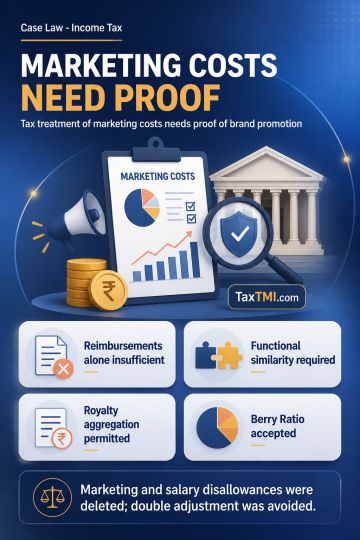
Transfer pricing requires evidence for AMP transactions, functionally reliable comparables, and appropriate aggregation or Berry Ratio benchmarking me...
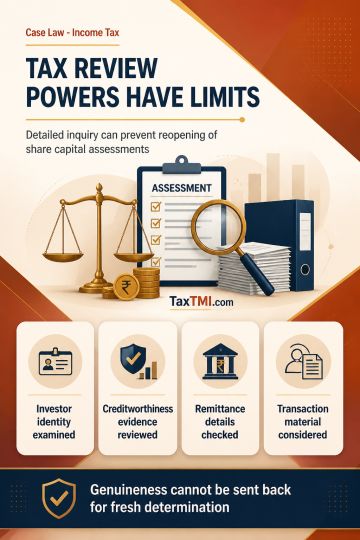
Revisionary jurisdiction cannot reopen share capital assessments where adequate inquiry supports a permissible view and no independent error is establ...
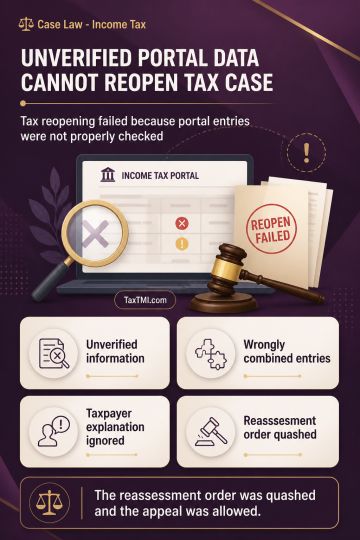
Reassessment jurisdiction fails where unverified portal information is aggregated without examining the taxpayer's explanation or relevance of entries...
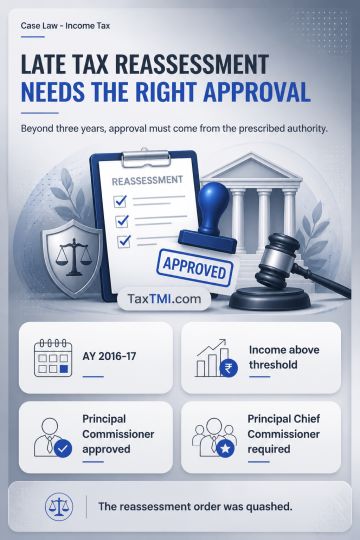
Statutory sanction for delayed reassessment requires approval from the prescribed authority; approval by an inferior authority invalidates jurisdictio...
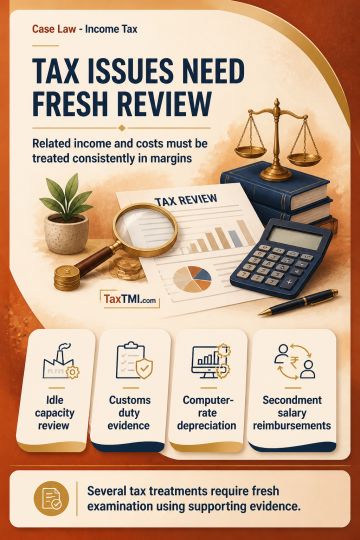
Transfer pricing margin adjustments require matching treatment of non-operating income and related costs, with comparability issues reconsidered on ev...
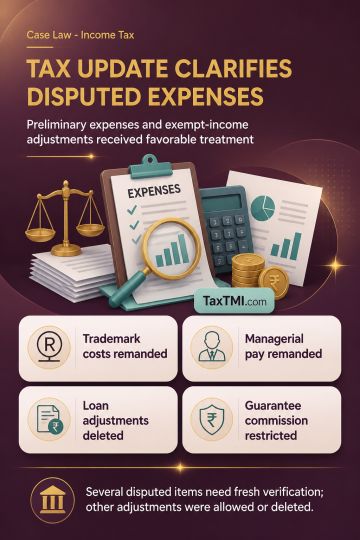
Preliminary-expense amortisation and MAT exempt-income adjustments prevailed, while trademark costs and managerial remuneration require fresh verifica...
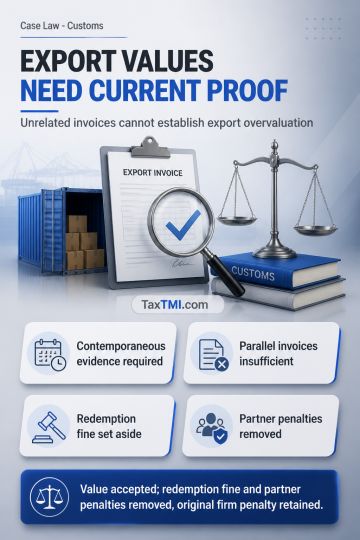
Export valuation requires contemporaneous evidence; unrelated invoices cannot prove overvaluation, and dual penalties on firm and partner are impermis...
Writ jurisdiction under Article 226 is ordinarily not exercised where an efficacious statutory appeal is available, unless there is breach of natural justice, lack of jurisdiction, or a challenge to vires. In this GST dispute, the petitioners did not challenge the show cause notice at the outset and raised limitation and jurisdiction objections only after the adjudication order. The Court held those issues could be effectively raised before the appellate authority under Section 107, declined to examine the merits, and granted liberty to pursue the statutory appeal, leaving all questions on limitation and jurisdiction open.
Writ jurisdiction under Article 226 is ordinarily not exercised where an efficacious statutory appeal is available, unless there is breach of natural justice, lack of jurisdiction, or a challenge to vires. In this GST dispute, the petitioners did not challenge the show cause notice at the outset and raised limitation and jurisdiction objections only after the adjudication order. The Court held those issues could be effectively raised before the appellate authority under Section 107, declined to examine the merits, and granted liberty to pursue the statutory appeal, leaving all questions on limitation and jurisdiction open.
Note: It is a system-generated summary and is for quick reference only.
 TaxTMI
  TaxTMI
 of 4816










 Join Channel


